Things to do in Ollastra
Things to see in Ollastra near Oristano: the medieval church of San Marco, nuraghi, olive oil, the January bonfire and the April su pannu horse race.
We are gathering the first experiences for this area. Check back soon, or tell us about an operator you know.
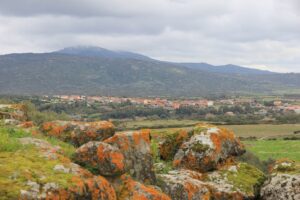
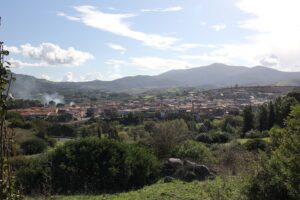
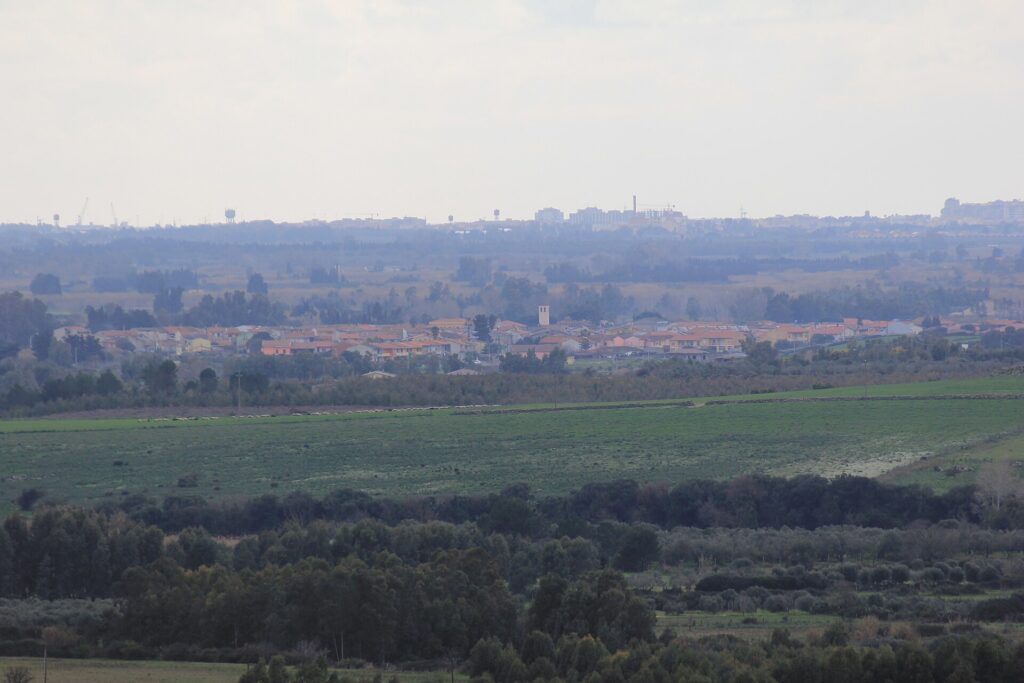
Ollastra is a small farming village about 16 km from Oristano, where the Campidano plain meets the first hills of the Barigadu along the Tirso river. Its name comes from ollastu, the wild olive, which already tells you about its landscape of olive groves, vines and vegetable plots. It's worth a stop for the medieval church of San Marco and the April feast with its horse race, and suits anyone looking for authentic traditions and countryside.
What to see in Ollastra
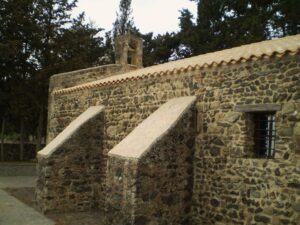
Church of San Marco
On a rise at the edge of the village stands San Marco, built in the 13th century on land donated to Camaldolese monks and enlarged in the 1500s with two side aisles. Look up at the pitched roof of woven reeds and wooden beams, made with an age-old technique.
Other churches
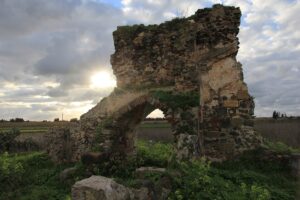
Santa Severa, from the second half of the 15th century, is the oldest in the village; San Sebastiano dates from the 1600s. On a nearby hill, the church of San Costantino was built reusing the remains of the old church of Santa Vittoria.
Old centre and nuraghi
The centre keeps houses of ladiri, the Campidano's sun-dried earth bricks. In the countryside lie the remains of several nuraghi, including Accas, s'Orco and San Perdu.
Things to do in Ollastra
Country lanes through olive and citrus groves and the Tirso valley are great for walks and bike rides, with views of the Santa Vittoria dam that irrigates the plain. Within minutes you can reach the Roman baths of Fordongianus and the Santa Barbara nuraghe at Villanova Truschedu. Just below you'll find experiences offered by local operators: excursions, visits and activities to enjoy inland Oristano.
History
People have lived here since prehistoric times, as the nuraghi show. In Roman times a road crossed the area towards the interior. In the Middle Ages Ollastra belonged to the Giudicato of Arborea, in the Simaxis district; in 1478 it passed to the Aragonese and then to the Salazar family, and under Savoy rule to the Marquisate of Arcais, until feudal rights were bought out in 1839. From 1928 to 1946 it was part of Simaxis, and in 1991 the name «Ollastra Simaxis» became simply Ollastra.
Food and local products
The olive groves yield excellent extra virgin olive oil; the countryside grows artichokes, citrus, vegetables and cereals, and livestock is raised here. Try the Vernaccia wine, local cheeses and almond sweets. Local crafts include rugs and woven baskets.
Festivals and traditions
- San Sebastiano: on 20 January a big bonfire is lit in the square, with the whole village gathered round.
- San Marco: on 25 April, with a livestock fair dating back to 1839 and the su pannu horse race, which draws riders from all over Sardinia.
Nearby
- Fordongianus: the Roman baths of Forum Traiani and the Casa Aragonese.
- Villanova Truschedu: the Santa Barbara nuraghe.
- Simaxis: the Byzantine churches of San Vero Congius.
- Oristano (about 16 km): the old town and the Tower of Mariano II.
Getting there and when to go
From Oristano, follow the road towards Simaxis and Fordongianus; the SS131 highway runs a few kilometres away. The handiest airports are Cagliari-Elmas (about an hour and a quarter by car) and Alghero (about an hour and a half). Spring is the best time, with the countryside in bloom and the San Marco feast in late April.
FAQ
How long do I need for Ollastra?
A couple of hours for the village and San Marco; add Fordongianus and Villanova Truschedu for a full day.
What is the su pannu race?
A horse race tied to the San Marco feast: the traditional prize is a cloth banner, su pannu.
Is Ollastra good for families?
Yes, especially if you love the countryside: open spaces, animals and outdoor festivals.