Things to do in Nurachi
Things to see in Nurachi, gateway to the Sinis: San Giovanni church, the ethnographic museum, Mare 'e Pauli flamingos and nearby beaches.
We are gathering the first experiences for this area. Check back soon, or tell us about an operator you know.
Nurachi is a village of about 1,700 people less than 10 km from Oristano, at the gateway to the Sinis Peninsula, with land stretching to the Cabras lagoon. Its name comes from a nuraghe and its history reaches back to the Neolithic; today it combines an old centre of mud-brick houses, a church with an ancient baptistery and wetlands visited by flamingos. It's a handy base if you want to mix Sinis beaches, lagoon nature and Sardinian culture.
What to see in Nurachi
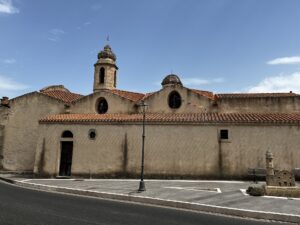
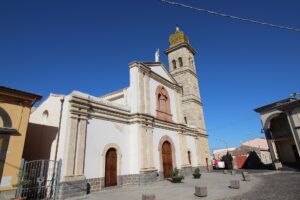
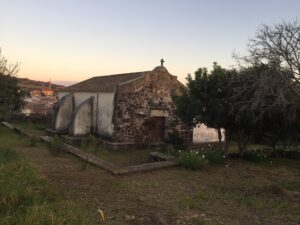
Church of San Giovanni Battista
This 17th-century church stands on top of a much older place of worship, uncovered beneath its floor: single-naved with an apse, it keeps next to the presbytery a room used as a baptistery, with a circular font. A 6th–7th-century necropolis was found around it.
Peppetto Pau Ethnographic Museum
Set in an old manor house, its four rooms tell the story of the wetlands, traditional architecture, food and music, especially the launeddas, Sardinia's ancient reed pipes.
Old centre and nuraghe
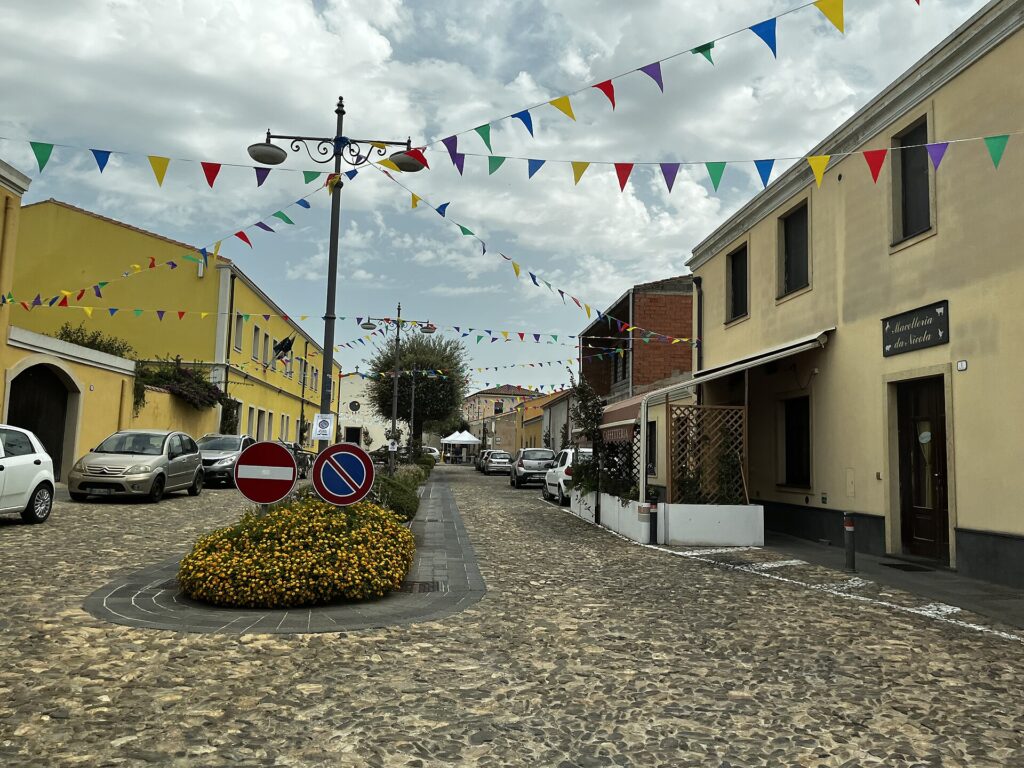
Campidano-style houses of ladiri, sun-dried earth bricks, open onto large courtyards. Out in the countryside is the Bronze Age nuraghe Nuraci de Pische, which gave the village its name.
Things to do in Nurachi
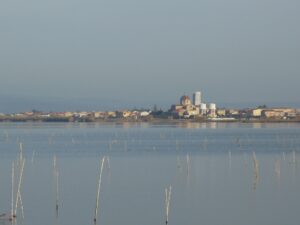
The Mare 'e Pauli wetland, part of the Cabras lagoon system, is great for birdwatching, with flamingos and other waterbirds. Pischeredda park, with its marsh vegetation, is perfect for gentle walks. The Sinis beaches and Tharros are just minutes away. Find experiences from local operators just below: lagoon excursions, boat trips, guided tours and activities in the Sinis.
History
People lived here as early as the Neolithic: villages at Mare 'e Pauli and elsewhere have yielded obsidian arrowheads and axes and small figurines. Then came the nuraghi, Phoenician traces and, in Roman times, a staging post on the road between Tharros and Cornus. In the Middle Ages Nurachi belonged to the Giudicato of Arborea; it then passed to the Aragonese and, in the 18th century, to the Marquisate of Arcais, until feudal rights were bought out in 1839. From 1927 to 1946 it was merged with Riola Sardo.
Food and local products
Farming drives the economy: cereals, citrus and vineyards producing Vernaccia. The lagoon brings fish such as grey mullet to the table, a fish that even features on the village coat of arms. The most distinctive craft is is fassonis, small boats of ancient origin made from a marsh plant, su fenu, used by lagoon fishermen.
Nearby
- Cabras: the lagoon and the museum of the Mont'e Prama Giants.
- Tharros and San Giovanni di Sinis: the Phoenician-Punic and Roman city by the sea and the early Christian church.
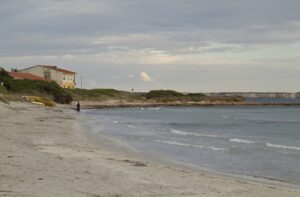
- Sinis beaches: Is Arutas, Mari Ermi and San Giovanni di Sinis, about 20–25 minutes by car.
- Riola Sardo and Oristano: villages and the medieval old town.
Getting there and when to go
Nurachi lies on the SS292 road from Oristano towards the Sinis and Montiferru. The handiest airports are Cagliari-Elmas (about an hour and a quarter by car) and Alghero (about an hour and a half). Autumn, winter and spring are best for birdwatching; from June to September it's a practical base for the beach.
FAQ
Is Nurachi by the sea?
It's not on the coast, but its land reaches the Cabras lagoon and the Sinis beaches are about 20–25 minutes away.
Where can I see flamingos near Nurachi?
In the Mare 'e Pauli wetland and the Cabras lagoon, especially outside summer.
Is Nurachi good for families?
Yes: it's quiet and close to the sea and the Sinis archaeological sites.