Saffron Roads in Villanovafranca 2026
Price on request Discover
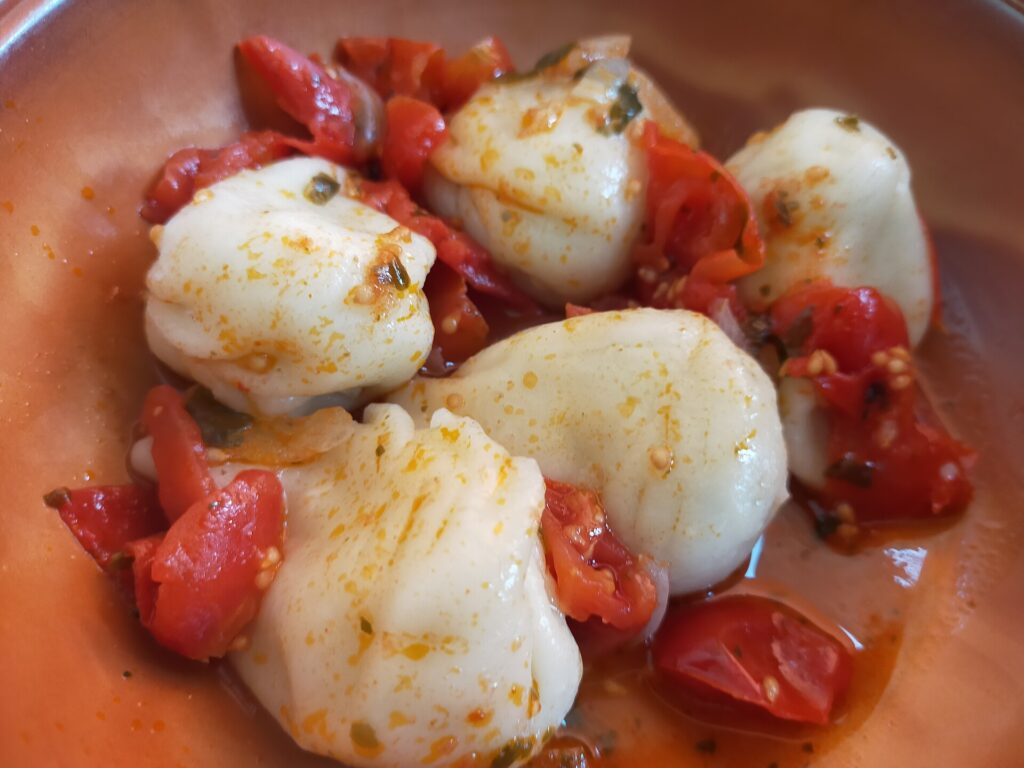
If one dish sums up Ogliastra, on Sardinia’s east coast, it is culurgiones: little parcels of durum-wheat pasta filled with potato, pecorino cheese and mint, sealed by hand with a pleat that looks like an ear of wheat. The name shifts from village to village – culurgionis, culurjones, culurzones – but the gesture never changes: fingers “stitching” the dough, fold after fold, just as grandmothers always did.
Culurgiones were never an everyday meal. In Ogliastra they marked the moments that mattered: the end of the wheat harvest, Carnival and above all the Day of the Dead. In Ulassai, until the 1960s, they were eaten only on 2 November. Giving them was a sign of friendship and respect, and they were said to protect the family from bereavement.
The shape has meaning too: the wheat-ear seal (spighitta) is a wish for a good harvest in the year to come.
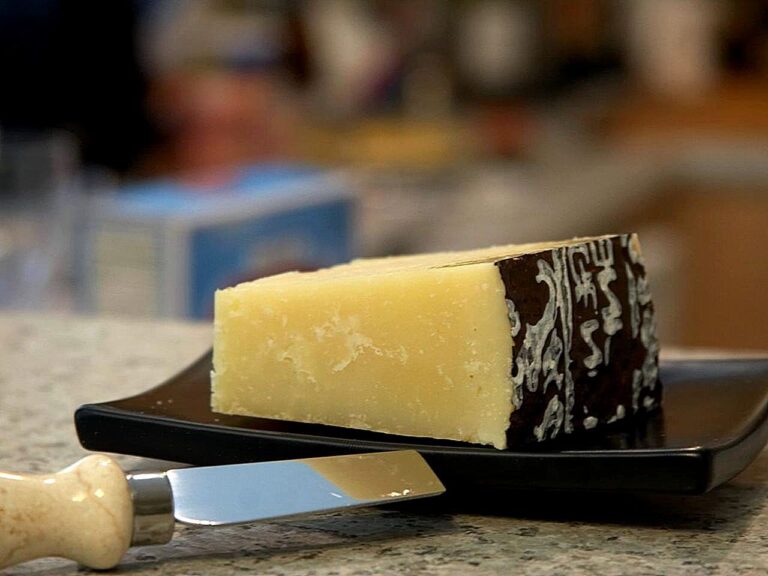
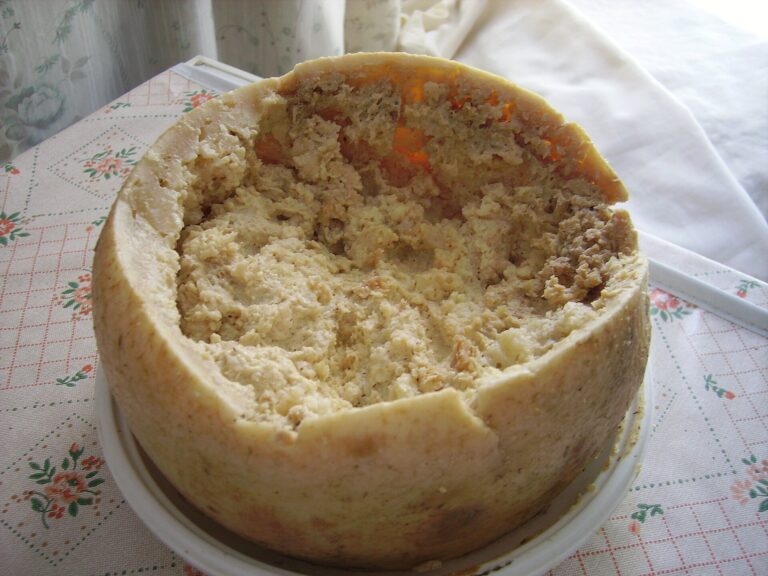
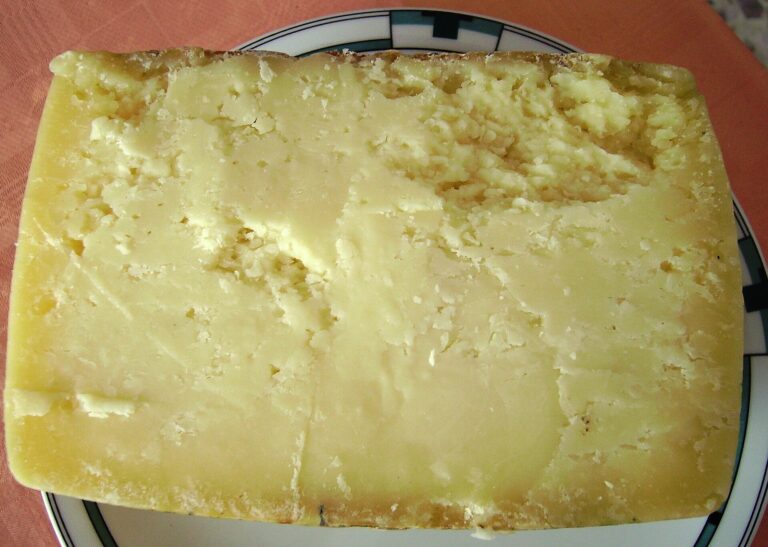
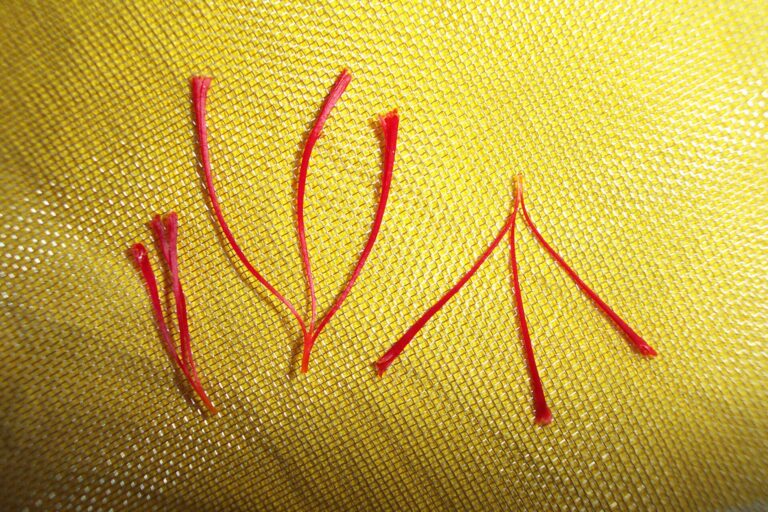
The base is simple – potato, Sardinian pecorino, mint and a drizzle of olive oil – yet every village adds its signature:
Since 2016 Culurgionis d’Ogliastra have been a European Protected Geographical Indication (PGI), which safeguards the traditional recipe and the hand-made seal.
Traditionally they are boiled and dressed with olive oil and grated pecorino; today a fresh tomato sauce with basil is just as popular. Some people pan-fry the leftovers the next day – crisp outside, soft inside.
Head to Ogliastra: trattorias and farm stays in Ulassai, Jerzu, Gairo, Ilbono, Bari Sardo, Tertenia, Talana, Urzulei and Baunei serve them all year round. In August the village of Sadali holds a festival in their honour. Want to learn the wheat-ear fold yourself? Several local families and farms run hands-on pasta workshops – the best souvenir you can take home.
The potato, pecorino and mint filling and, above all, the hand-made wheat-ear seal.
They were a votive dish, prepared in memory of the departed and given to relatives and friends as a token of affection and protection.
Do you run activities in Sardinia?
Get your own page on Ajò Sardegna: free until 31 May 2027, no commissions, with customer requests coming straight to you. If you like, we prepare the page for you.
Hi!
Can I help you?
Lia is an AI-based virtual assistant and can make mistakes: always check with the operator. Please don't share personal data. Privacy