Things to do in Ulassai
Things to do in Ulassai, Sardinia: Su Marmuri cave, Lequarci waterfalls, Maria Lai's Stazione dell'Arte, climbing on the tacchi, food and festivals.
We are gathering the first experiences for this area. Check back soon, or tell us about an operator you know.
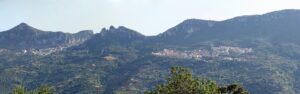
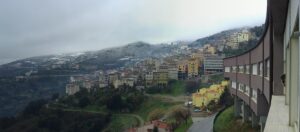
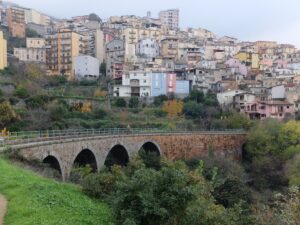
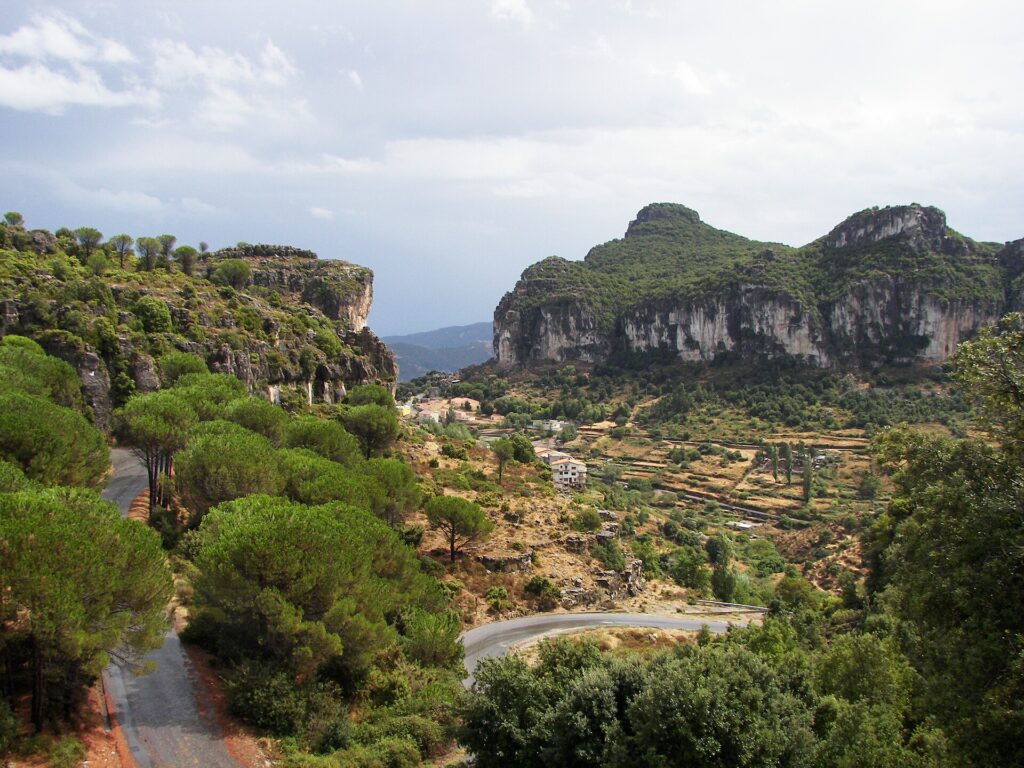
Ulassai is a mountain village in Ogliastra, at about 775 metres, tucked beneath the limestone walls of the tacchi, the heel-shaped plateaus typical of this part of Sardinia. It is known for the Su Marmuri cave, for waterfalls pouring off the rock, and for Maria Lai, the artist born here who turned the village into an open-air museum. It's the place for anyone after dramatic nature, contemporary art, climbing and an authentic side of Ogliastra, far from the coast.
What to see in Ulassai
Su Marmuri cave
Carved into the Tacco di Ulassai, Su Marmuri is one of the island's most spectacular caves: a route of almost a kilometre through towering halls, pools and columns formed where stalactites meet stalagmites. Visits are guided; it's cool inside even in high summer, so bring a sweater.
Stazione dell'Arte and Maria Lai's works
The old railway station now houses the Stazione dell'Arte, a contemporary art museum devoted to Maria Lai (1919–2013), one of Italy's leading 20th-century artists. In 1981 Lai involved the whole village in Legarsi alla montagna ("Tying oneself to the mountain"): a long blue ribbon passed from house to house and up to the mountain, a collective gesture that became famous. Her outdoor works still dot the streets, and the old wash-house has become an art space.
Lequarci and Lecorci waterfalls
After heavy rain, water flowing out of the Tacco's caves tumbles down the valley: the Lequarci falls, among the largest in Sardinia, drop nearly 100 metres across a very wide front, while the Lecorci falls slide over smooth walls beneath Su Marmuri. They're at their best after a rainy spell in winter or spring.
Santa Barbara and the nuraghi
In the woods a few kilometres from the village, the little country church of Santa Barbara is ringed by cumbessias, pilgrims' lodgings. The area also has nuraghi (Bronze Age stone towers), giants' tombs and rock-cut tombs, including the Nuragic fortress of Seroni.
Things to do in Ulassai
Ulassai is one of Sardinia's sport-climbing capitals: the tacchi crags, up to around 100 metres high, offer hundreds of routes for every level, and the Sa Tappara gorge even hosts highlining. If you prefer walking, trails wind through canyons, woods and viewpoints: on clear days, from the top of Bruncu Matzeu you can see as far as the Gennargentu massif.
- Hiking and guided walks among tacchi, gorges and waterfalls.
- Light caving and cave visits.
- Art trails following Maria Lai.
- Food experiences with bread, cheese and Cannonau from the Pardu valley.
In the list below you'll find experiences offered by local operators: guides, climbers and enthusiasts ready to show you Ulassai at its most authentic.
History
The area has been inhabited since the Nuragic age, as its many nuraghi and giants' tombs show. The village first appears in records in 1217 as Ulazzai. In the Middle Ages it passed between the Judicates of Cagliari, Gallura and Arborea, then to Pisa and Aragon, and was held by several feudal families until it bought its freedom in 1839. In 1893 the railway to Cagliari arrived, partly breaking the valley's isolation. In the 20th century Ulassai became known worldwide through Maria Lai and her art.
What to eat and buy
This is Ogliastra shepherds' cooking: culurgiones with their wheat-ear seal, coccoi prena (bread filled with potato and cheese), roast kid and suckling pig, goat and sheep cheeses. Sweets include pabassinas and pardulas. To take home: bitter strawberry-tree honey, olive oil from the Rio Pardu valley, Cannonau wine, cured ham, and textiles woven on horizontal looms, a craft that also inspired Maria Lai.
Festivals and traditions
- San Sebastiano (20 January): a great bonfire is lit and carnival begins, with the Su Maimulu mask.
- Holy Week: traditional rites with matraccas, wooden rattles.
- Santa Barbara (third Sunday of May): a country festival with procession, launeddas (reed pipes), folk groups and roast goat.
- Festival dei Tacchi: an open-air theatre festival in summer.
- Is Animeddas (All Saints): children go door to door asking for sweets for the souls of the dead.
Nearby
- Jerzu: the "wine town", capital of Cannonau, a few minutes away.
- Osini and Gairo Vecchio: villages abandoned after the 1951 flood, haunting and silent.
- Tortolì and Arbatax: the Ogliastra coast, about 50 minutes by car.
- Perdasdefogu and other tacchi: more limestone plateaus with sweeping views.
Getting there and when to go
You'll need a car: Cagliari is about two hours away via the SS125 or inland roads. The nearest port is Arbatax; the airports with scheduled flights are Cagliari and Olbia. Spring and autumn are ideal for climbing and hiking, summer for the cave and festivals; after winter rain the waterfalls are at their finest.
FAQ
How long do you need in Ulassai?
A full day covers Su Marmuri, the Stazione dell'Arte and a stroll through the village; for climbing or hiking, stay two or three days.
When can you see the Lequarci waterfalls?
Only after heavy rain, usually between winter and spring; in summer they are almost always dry.
Is Ulassai good for kids?
Yes: the cave, the museum and the woodland walks around Santa Barbara appeal to children too.