Things to do in Gairo
Things to do in Gairo, Sardinia: the ghost village of Gairo Vecchio, Perda Liana, Taquisara cave, Coccorrocci beach and the Su Maimulu carnival.
We are gathering the first experiences for this area. Check back soon, or tell us about an operator you know.
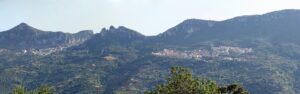
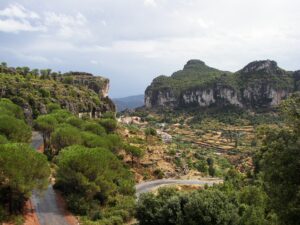
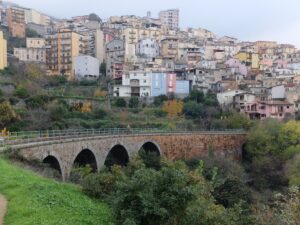
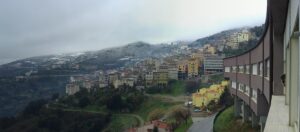
Gairo, in Ogliastra, has a surprising territory that runs from the Gennargentu mountains all the way to the sea. You can wander the abandoned houses of Gairo Vecchio, hike to the foot of the Perda Liana rock tower, stargaze from a hilltop observatory and end the day on a pebble beach. It is ideal if you want nature, quiet and living traditions such as the Su Maimulu carnival.
What to see in Gairo
Gairo Vecchio
The old village was half destroyed by a flood in 1951 and then abandoned: new homes were built a little higher up and on the coast, where today's Cardedu grew. Its ruins, with stone walls and narrow lanes, are evocative and melancholy.
Perda Liana
The huge limestone tower of Perda Liana, a symbol of inland Sardinia, rises alone on the plateau and can be seen from far away. It is protected as a natural monument.
Taquisara and its cave
The hamlet of Gairo Taquisara, about 8 km away, has the Taquisara cave, partly open on guided tours, and a Trenino Verde station.
Archaeology and stars
On the border with Osini stands the Serbissi nuraghe, a Bronze Age stone tower. Near Monte Armidda, at about 1,150 metres, an astronomy site is open to the public.
Things to do in Gairo
The area is made for hiking to Perda Liana and on Monte Ferru, with natural rock pools called Piscinas and wildlife such as mouflon, wild boar and foxes. Ride the Trenino Verde on the Mandas–Arbatax line, usually running from spring to autumn, watch the night sky at the observatory or head down to the sea. To pick the right outing, browse the experiences offered by local operators just below.
Beaches of Gairo
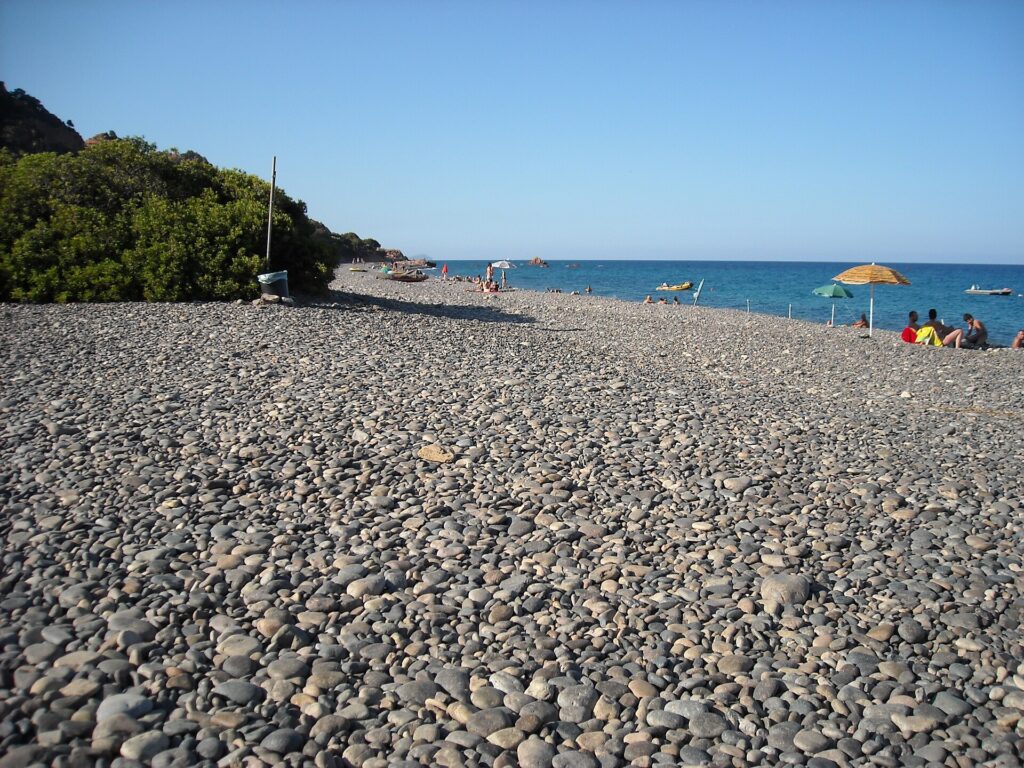
- Coccorrocci: a long beach of smooth pebbles with clear water, great for calm swims and snorkelling.
- Su Sirboni: a small cove among the rocks, quieter and more secluded.
History
People lived here in the Nuragic age. In the Middle Ages Gairo belonged to the Giudicato of Cagliari; after 1258 it passed to Pisa and in 1324 to the Aragonese. From 1363 it was part of the County of Quirra, which became a marquisate in 1603, and it was freed from feudal rule in 1839. The 1951 flood changed the village forever.
What to eat and buy
Expect Ogliastra cooking: potato and cheese culurgionis, cured meats, sheep and goat cheeses, traditional sweets and wine. During carnival the community shares wine, salami, cheese and cakes with everyone.
Festivals and traditions
The best-known tradition is Su Maimulu, Gairo's carnival and one of the most unusual in Sardinia. It starts on 17 January with the Sant'Antonio bonfire, where wild boar is roasted, and lasts until Ash Wednesday. Masked figures parade, such as is maimulus in animal skins, horns and cowbells, and su cuadderi, a mock horse; a cart collects offerings for a final feast open to all.
Nearby
- Ulassai: the Stazione dell'arte devoted to artist Maria Lai and the Su Marmuri cave.
- Osini: its abandoned old village and limestone landscapes.
- Jerzu: the home of Cannonau wine.
- Cardedu and the southern Ogliastra coast.
Getting there and when to go
Gairo is on the SS198; for the coast take the SS125 Orientale Sarda. Arbatax port and the small Tortolì airport are about 45 minutes' drive; Cagliari about two hours. Spring and autumn are perfect for hiking, summer for the sea, January and February for carnival.
FAQ
Can you visit Gairo Vecchio?
Yes, you can explore the abandoned village on foot; take care among the ruins.
Does Gairo have beaches?
Yes, the municipality reaches the coast, with beaches such as Coccorrocci and Su Sirboni.
When is the Su Maimulu carnival?
From 17 January to Ash Wednesday, with the liveliest days at the end of carnival.