Things to do in Bari Sardo
Things to do in Bari Sardo, Sardinia: Torre di Barì, Cea and Planargia beaches, nuraghi and giants' tombs, weaving and Ogliastra food.
We are gathering the first experiences for this area. Check back soon, or tell us about an operator you know.
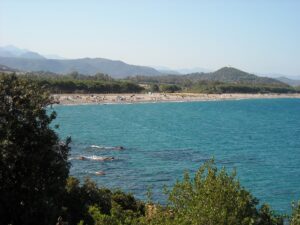
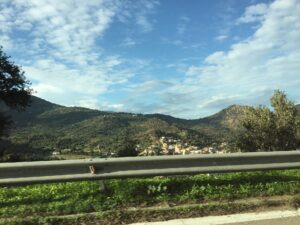
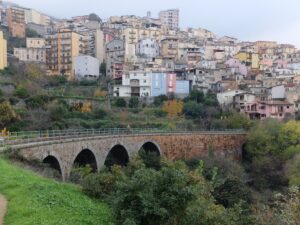
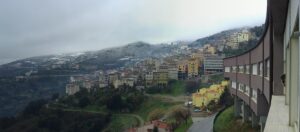
Bari Sardo is a village of around 3,800 people in Ogliastra, on Sardinia's central-east coast, about 4 km from the sea and some twenty minutes from Tortolì-Arbatax. Its centre, with several churches, is surrounded by hills of vineyards and orchards, while the coast offers wide, uncrowded beaches watched over by a Spanish tower. It suits families and couples wanting clear water without the crowds, and anyone keen to combine beach time, Nuragic archaeology and Ogliastra's honest cooking.
What to see in Bari Sardo
Torre di Barì
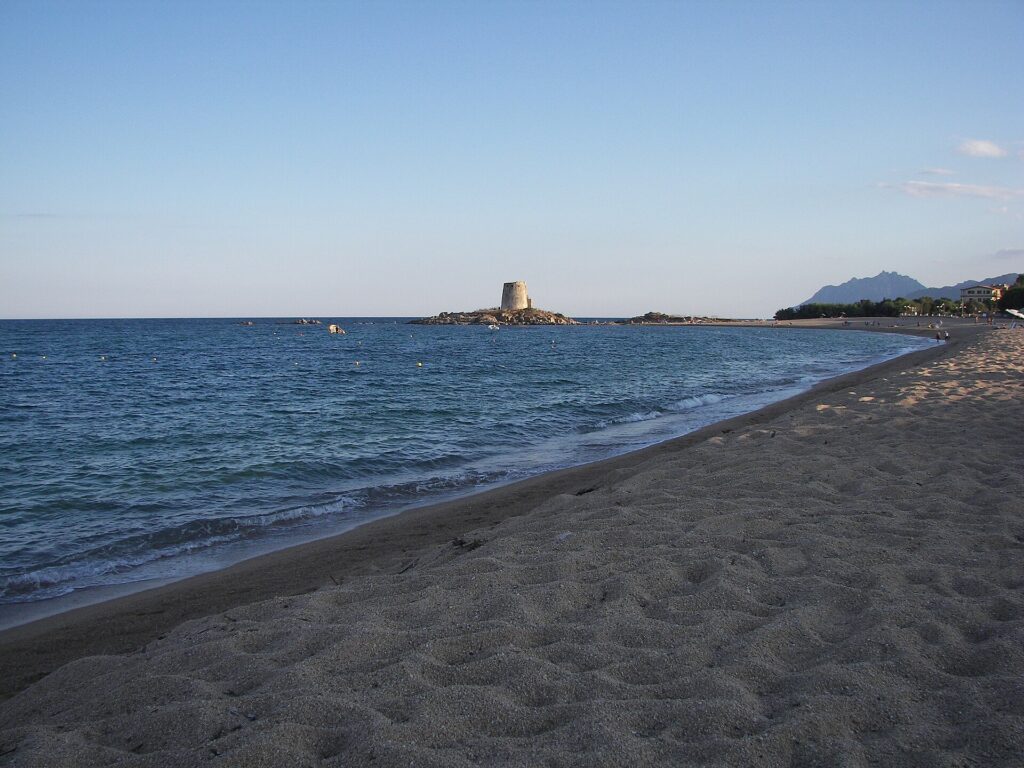
The village's symbol is a coastal watchtower built between 1572 and 1639, almost 13 metres tall, on a small headland dividing two beaches. It was used to warn of pirate raids; today it is the most photographed spot on the coast, beautiful at dawn when the sun rises from the sea.
Churches
In the centre stands the parish church of Nostra Signora di Monserrato, imposing and rich in fine marble. Also worth a look are the small church of Santa Cecilia, once in open countryside and now within the village, and the 16th-century country church of San Leonardo. In the coastal hamlet of Sa Marina is the church of San Giovanni, the destination of the summer feast.
Nuraghi, giants' tombs and domus de janas
The area is packed with archaeology: there are about 14 nuraghi (Bronze Age stone towers), the best known being Sellersu, and the giants' tombs of Canali, Uli and Pitzu Teccu, large Nuragic collective burials. Even older are the domus de janas (rock-cut tombs, literally "fairy houses") of Pizzu 'e Monti and Funtana su Rettore, and a few menhirs.
Things to do in Bari Sardo
- Sea and sand: long days on sandy beaches with clear water and varied seabeds.
- Snorkelling and kayaking around the Cea sea stacks and the rocks by the tower.
- Boat trips from Arbatax to the coves of the Gulf of Orosei, among the most beautiful in the Mediterranean.
- Hiking and cycling on the Teccu plateau and between Nuragic sites.
- Food experiences: culurgiones workshops, Cannonau tastings and local produce.
- Crafts: visits to traditional weaving workshops.
Just below you will find the experiences offered by local operators: choose the one you like and book directly.
Beaches in Bari Sardo
- Torre di Barì beach: the tower's headland splits two stretches of pale sand, traditionally called mari de is ominis (the men's sea) to the north and mari de is feminas (the women's sea) to the south, a memory of when men and women bathed separately.
- Planargia: a long beach beyond the headland, wide and peaceful, good for families.
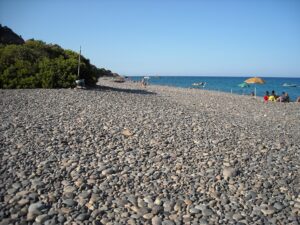
- Sa Marina and Tramalitza: further south, quiet stretches of pale sand and clear water for those seeking calm.
- Cea: on the border with Tortolì, over a kilometre of white sand and shallow water, with the two red sea stacks of is Scoglius Arrubius, about 20 metres tall, a few hundred metres offshore. Perfect for children and snorkelling.
History
The area has been inhabited since the Neolithic, as the rock-cut tombs and menhirs show; the Nuragic age left towers and giants' tombs, and in Roman times a military post called Custodia Rubriensis stood here. In the early Middle Ages the village was built inland, about 4 km from the coast, for protection against raids from the sea. It belonged to the Judicate of Cagliari, one of Sardinia's four medieval kingdoms, then to Gallura and Pisa; after the Aragonese conquest it joined the County of Quirra and in 1603 the marquisate of the Centelles, later the Osorio, until feudalism was abolished in 1839. Its Sardinian name is Barì: "Sardo" was added in 1862 to tell it apart from Bari in Apulia.
Food and local products
Ogliastra's signature dish is culurgiones, ravioli filled with potato, cheese and mint and hand-sealed with a distinctive "ear of wheat" pleat. You will also find traditional breads such as su pistocu and sa coccoi, the tangy fresh cheese casu ageru and wines from the hills, especially Cannonau. Local craft is known for linen weaving: rugs, cushions and blankets decorated with the pibiònis technique of tiny raised grains. Hand-woven baskets and tagéris, wooden boards for serving roast meat, are also made here.
Festivals and traditions
- San Giovanni: in July, with a procession from the village down to the church of Sa Marina by the sea.
Nearby
- Tortolì and Arbatax (about 20 minutes): the red rocks of Arbatax and the harbour for boat trips.
- Cardedu (about 10 minutes): beaches and vine-covered hills.
- Jerzu and Ulassai (about 30 minutes): limestone "tacchi", Jerzu's Cannonau and the Su Marmuri cave.
- Lanusei (about 30 minutes): the Selene woods with their Nuragic site.
- Santa Maria Navarrese (about 35 minutes): the seaside village at the gateway to the Gulf of Orosei.
Getting there and when to go
The main airports are Cagliari and Olbia, both about two hours by car along the SS125 Orientale Sarda road and its newer sections. The nearest port is Arbatax, with some seasonal ferry routes to the mainland. A car is essential to get between village, beaches and archaeological sites. The best time is May to October: June and September combine warm sea, quiet beaches and pleasant temperatures for hiking.
Frequently asked questions
Is Bari Sardo good for families?
Yes: the beaches are wide and uncrowded, and Cea, with its shallow water, is ideal for children.
Is the village on the sea?
No, the centre is about 4 km from the coast, a few minutes' drive; the tower and the hamlet of Sa Marina are by the sea.
How many days do you need in Bari Sardo?
Two or three days are perfect for beaches and archaeology; with a week you can explore all of Ogliastra, from the Gulf of Orosei to the tacchi of Jerzu.