Things to do in Ilbono
Things to do in Ilbono, Sardinia: Scerì Nuragic park, rock-cut tombs and menhirs, historic churches, olive oil and beaches 20 minutes away.
We are gathering the first experiences for this area. Check back soon, or tell us about an operator you know.
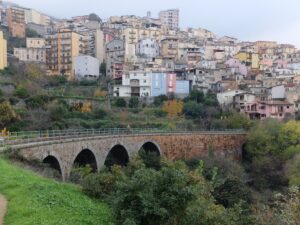
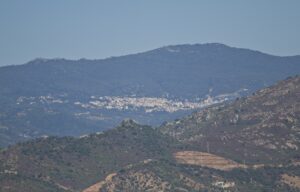
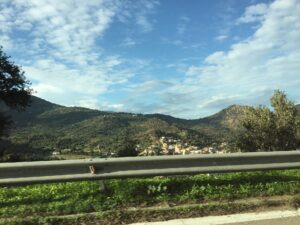
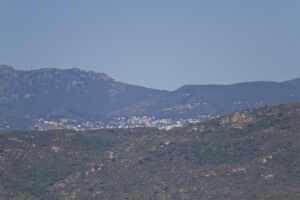
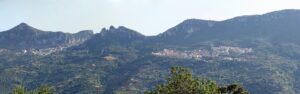
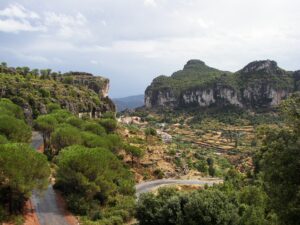
Ilbono is an Ogliastra village at around 400 metres, on the southern slopes of the Gennargentu, among the porphyry rocks of Mount Tarè and hills of olive groves and vineyards. It lies on the road between Lanusei and Tortolì, a few kilometres from the sea. Come for its archaeology, from rock-cut tombs to the Nuragic park of Scerì, and for its olive oil tradition. It suits you if you love archaeology, countryside and genuine village festivals.
What to see in Ilbono
The centre and churches
Historic streets lead into the square of Funtana de Idda, the heart of the village. The parish church of San Giovanni Battista was built in the 17th century on an older building; the church of San Cristoforo dates from the 17th–18th centuries. In the countryside stand the chapels of San Rocco and San Pietro, the latter in an area that has yielded Roman finds.
Scerì archaeological park
On a commanding spot, the park brings together a nuraghe (Bronze Age stone tower) with a round main tower and an added wing, a Nuragic village and two rock-cut burials. It is the village's key site.
Domus de janas and menhirs
The area has several well-preserved domus de janas (rock-cut tombs), for example at Tèxere, where seven menhirs were also found. There are also the Teddizzò and Mont'e Forru nuraghi and two giants' tombs at Pèrda Carcina.
Things to do in Ilbono
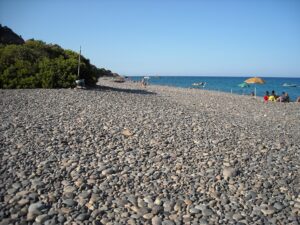
Go on archaeology walks among nuraghi and rock-cut tombs, stroll or cycle through olive groves, and taste extra virgin olive oil in one of Sardinia's official “olive oil towns”. In about 20 minutes you reach the sea at Tortolì and Bari Sardo, while inland routes lead into the Gennargentu. To explore with people who know the area, check the experiences offered by local operators just below.
History
The area has been inhabited since the Neolithic, as the rock tombs and menhirs show, followed by Bronze Age nuraghi and villages. In Roman times there were settlements at Piranserì and Alinusolu, and two military diplomas from the reigns of Domitian and Trajan were found here. In the Middle Ages Ilbono belonged to the Giudicato of Cagliari; it then passed to Pisa, the Aragonese and the County of Quirra, until feudal rule ended in 1839.
What to eat and buy
The signature product is extra virgin olive oil: since 2005 Ilbono has been one of Italy's “Città dell'olio”. Cooking is classic Ogliastra, with potato and cheese culurgionis, roast meats, cheeses and wine. Artistic crafts are one of the village's liveliest trades.
Festivals and traditions
- Olive and olive oil festival, in March.
- Holy Week, with deeply felt rites.
- Madonna delle Grazie, early July: linked to the legend of a chest holding the statue that washed up on Cea beach.
- San Cristoforo, late September.
At festivals women wear the traditional dress: embroidered white shirt, pleated skirt sa fardeta, black apron and, once for wealthier families, the red headscarf sa mantilla.
Nearby
- Lanusei: the cathedral and Seleni wood.
- Elini: Carmine park and the Trenino Verde.
- Loceri: the Sa Domu 'e s'Olia olive museum.
- Tortolì-Arbatax and Cea beach.
Getting there and when to go
Ilbono is on the road between Lanusei and Tortolì, linked to the SS125 Orientale Sarda. Arbatax port and Tortolì airport are about 20 minutes away; Cagliari about two hours. Spring and autumn are ideal for outdoor archaeology, March for the oil festival, summer for combining sea and culture.
FAQ
Is Ilbono by the sea?
No, but Tortolì and Cea beaches are about 20 minutes' drive.
Which site should you not miss?
The Scerì archaeological park, with its nuraghe, village and rock-cut tombs.
How long do you need?
Half a day for the village and Scerì; a full day with the rock tombs.