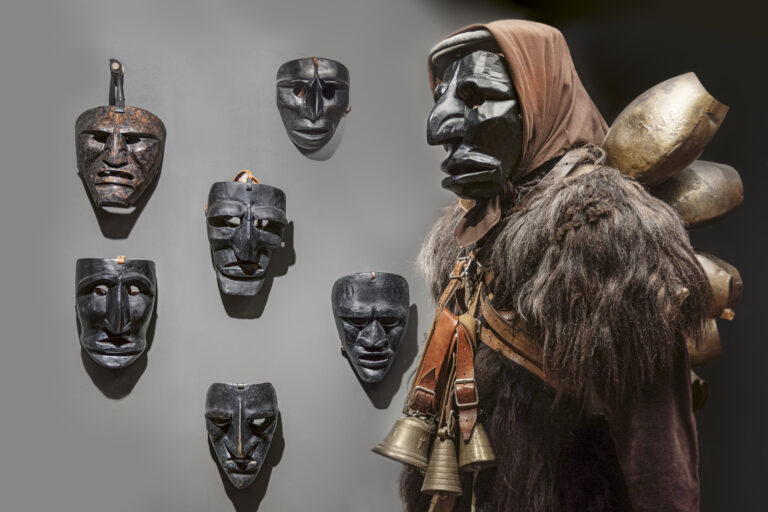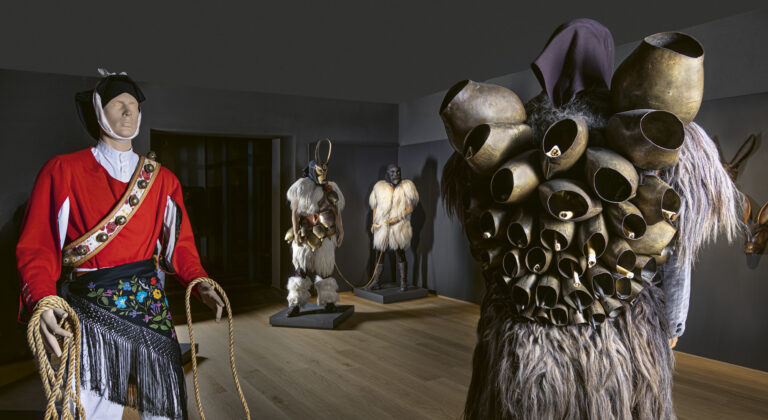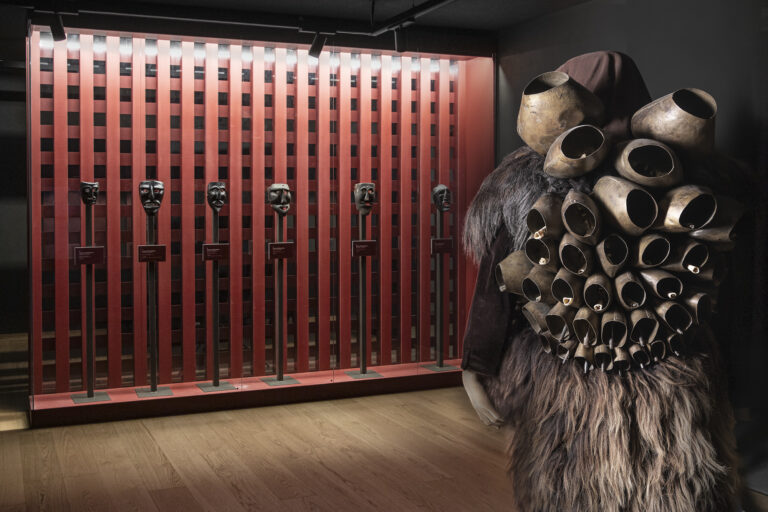
Autunno in Barbagia in Mamoiada 2026: Cortes Apertas
Price on request Discover
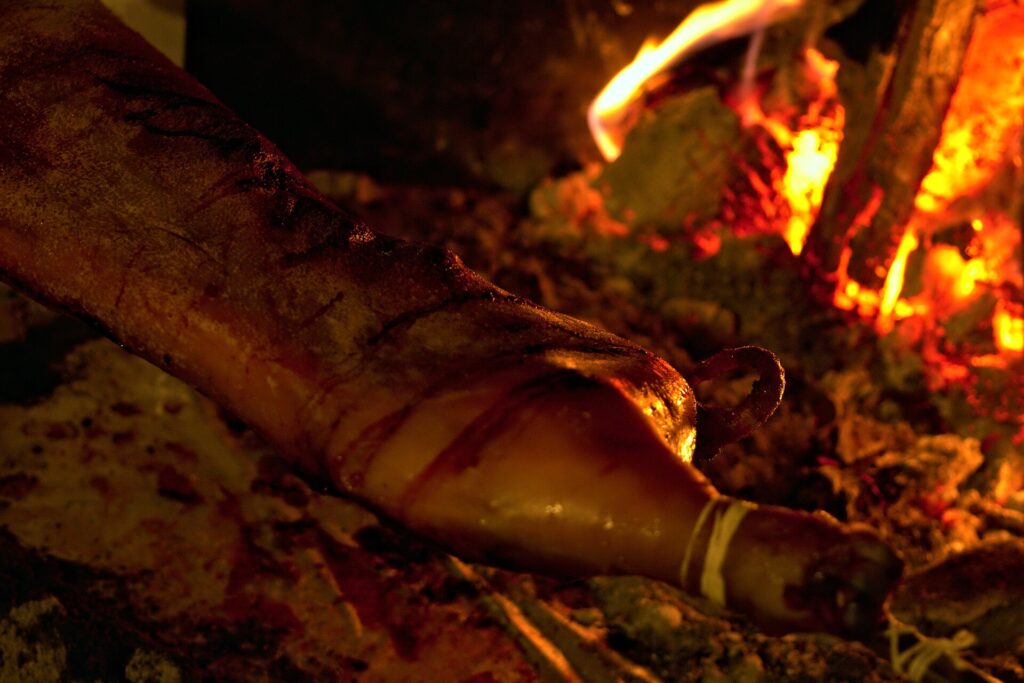
In Sardinia, a celebration without porceddu hardly counts as one. This milk-fed piglet, slow-roasted beside a wood fire until the crackling shatters under the knife and the meat melts in your mouth, is the dish that brings everyone together. The name shifts across the island – porcheddu in the north and in Barbagia, porceddu or proxeddu in the south – but the ritual is the same: a wood fire, patience and someone turning the spit while telling stories.
Porceddu comes from pastoral cooking. For rural families a pig was precious: roasting a piglet meant giving up the hams, sausages and lard a grown animal would provide. That is why it was kept for big occasions – Easter, Christmas, weddings, village feasts. Some sources link the art of spit-roasting to the long Spanish rule of the island, but cooking meat over an open fire in the countryside is as old as Sardinian shepherding itself.
The piglet weighs just a few kilos – usually 4 to 7 kg. Opened and skewered, it is set beside the embers rather than over them and cooked slowly for 4–5 hours. Salt is added with care, often once cooking is under way, so the skin crisps while the meat stays tender.
The Sardinian suckling pig is listed among Sardinia’s official traditional food products (PAT). It has no PDO or PGI, but few dishes say “Sardinia” so loudly. Because of African swine fever, Sardinian pigs and pork could not leave the island from 2011 until the EU revised the restrictions at the end of 2022 – one more reason to taste the real thing here.
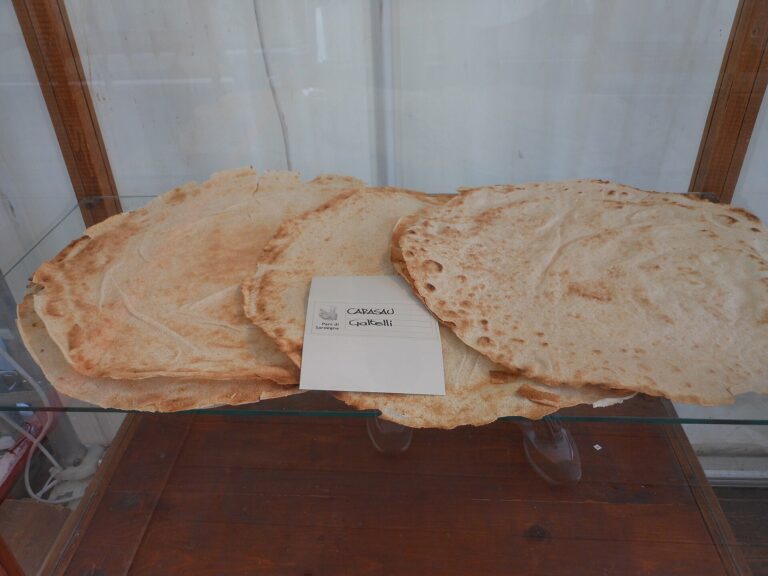
Porceddu is cut into pieces with a knife and served hot, often on a wooden or cork board with sprigs of myrtle. Eat it with your hands, with carasau flatbread or pistoccu, olives, seasonal vegetables and a glass of Cannonau red. Finish with a honey-drizzled seada and a shot of myrtle liqueur.
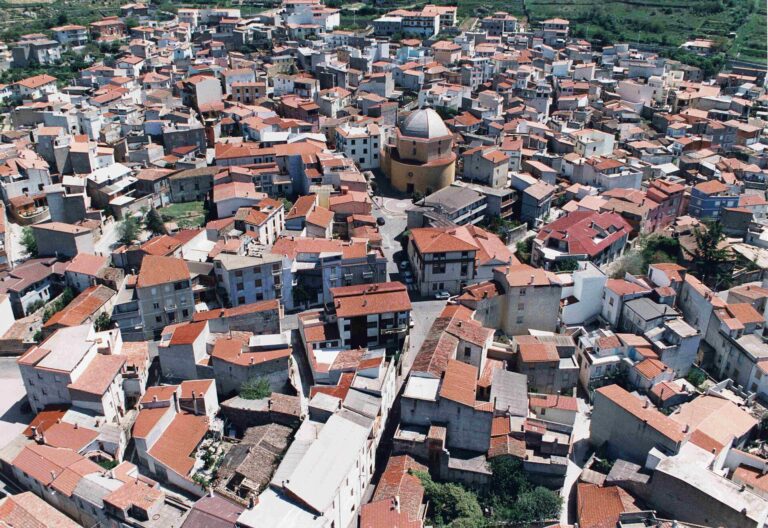
You’ll find it all over the island, but the best place is an inland agriturismo (farm stay): in Barbagia around Oliena, Orgosolo, Dorgali, Mamoiada and Fonni, in Ogliastra and in the Gennargentu villages of Desulo and Aritzo, many farms still roast it over embers, often on request. Summer village festivals are another chance to see the spits turning – in 2026 Arbatax, in Tortolì, held its first Porceddu Festival. For the full experience, look for a farm that lets you join in preparing the fire.
No. Porchetta is a larger boned, stuffed pig roasted in the oven; porceddu is a whole suckling piglet slow-roasted beside the embers.
Usually 4–5 hours on the spit, at a distance from the fire. Rushing it or using direct flames spoils it.
Do you run activities in Sardinia?
Get your own page on Ajò Sardegna: free until 31 May 2027, no commissions, with customer requests coming straight to you. If you like, we prepare the page for you.
Hi!
Can I help you?
Lia is an AI-based virtual assistant and can make mistakes: always check with the operator. Please don't share personal data. Privacy