Things to do in Tortolì
Things to do in Tortolì and Arbatax, Sardinia: the Red Rocks, Orrì and Cea beaches, boat trips to the Gulf of Orosei, local food and festivals.
We are gathering the first experiences for this area. Check back soon, or tell us about an operator you know.
Tortolì is the liveliest town in Ogliastra, on Sardinia's central-east coast, set on a plain facing clear water and framed by mountains. Together with its seaside district of Arbatax, home to the harbour and the famous Red Rocks, it makes an ideal base for one of the island's most spectacular coastlines, from the Gulf of Orosei down to white-sand beaches in the south. It suits families, couples and anyone who likes to mix boat days, swimming and trips inland.
What to see in Tortolì
The Red Rocks of Arbatax
The town's signature sight is the Rocce Rosse ("Red Rocks", also called Scogli Rossi): spires and cliffs of red porphyry plunging into the sea right next to Arbatax harbour. The contrast between red stone and blue water is strongest at sunset, when the light sets the colours alight.
San Miguel Tower and the harbour
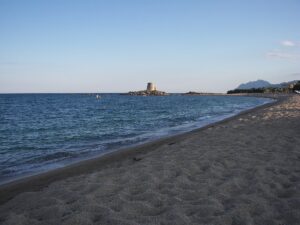
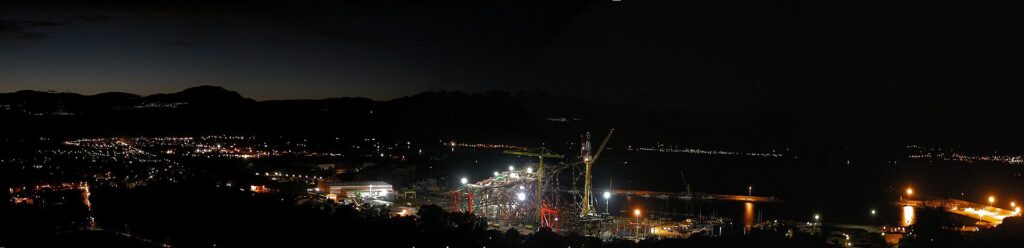
Above the bay stands the Spanish-era Tower of San Miguel, restored in recent years and long a lookout over Arbatax. The harbour itself, with ferries, fishing boats and excursion boats coming and going, is the beating heart of the district.
The town centre and Sant'Andrea
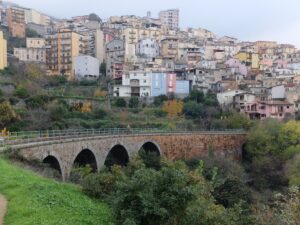
In central Tortolì, stop at the church of Sant'Andrea, rebuilt in the 17th century over a medieval building and for centuries the cathedral of Ogliastra. Around it run the main shopping streets and the evening stroll. Closer to the sea is the church of San Gemiliano, linked to one of the best-loved festivals.
Nuragic archaeology
The area is rich in traces of the Nuragic age, Sardinia's Bronze Age civilisation. On the road towards Orrì there is an archaeological complex with a nuraghe (stone tower), a giants' tomb, standing stones, a hut village and domus de janas (rock-cut tombs that legend credits to fairies): a short visit that spans thousands of years, minutes from the beach.
Things to do in Tortolì
Boat trips leave Arbatax for the Gulf of Orosei, whose coves can be reached almost only from the sea: turquoise water, sheer limestone cliffs and swimming stops you'll never forget. This is the one experience not to miss.
- Snorkelling and diving: the sea around the Red Rocks and along the rocky coast is full of fish and seagrass meadows.
- Kayak and SUP: the sheltered bays of Porto Frailis and Orrì are perfect even for beginners.
- Hiking and climbing: behind the coast lie the Golgo plateau and the crags of Ogliastra, a favourite with climbers.
- Bikes and e-bikes: the plain and seafront are easy to ride, and fit cyclists can head up into the mountains.
- Wine and food: Ogliastra is Cannonau country, and a tasting is the best way to get to know it.
Below you'll find the experiences offered by local operators in Tortolì and Arbatax: pick yours and book with people who know this sea better than anyone.
Beaches of Tortolì
- Porto Frailis: a small bay right by Arbatax, with golden sand and calm water, easy for families.
- Lido di Orrì: a string of pale-sand coves separated by granite rocks, with shallow, clear water; ideal with children.
- San Gemiliano: a wide beach a few kilometres from the centre, with fine sand and a lagoon behind it.
- Cea: a long white-sand beach to the south, famous for the red sea stacks rising from the water.
- Riva di Ponente: more than a kilometre of sand backed by pine woods north of the harbour, convenient and well served.
History
The Tortolì plain has been inhabited since the Neolithic, and hundreds of Nuragic monuments dot the area. Phoenicians and Carthaginians founded a landing place here, identified with ancient Sulci on the Tyrrhenian coast, later taken by the Romans. In the Middle Ages Ogliastra belonged to the Judicate of Cagliari, then to Pisa and the Crown of Aragon, which in the 14th century granted Tortolì as a fief to the Carroz family. For centuries it was the seat of the Bishop of Ogliastra, until the diocese moved to Lanusei in 1927. In the 20th century the port and tourism made it the main town on the Ogliastra coast; with Lanusei it was also capital of the former province of Ogliastra.
What to eat and buy
The signature dish is culurgiones d'Ogliastra, pasta parcels filled with potato, cheese and mint, sealed by hand in a distinctive "wheat-ear" pleat. Sea and lagoon supply very fresh fish and mullet bottarga (cured roe). Pair it all with Cannonau, Sardinia's best-known red, made widely in the area. To take home: wine, bottarga, sheep and goat cheeses, honey and traditional bread such as pistoccu, a dry bread typical of Ogliastra.
Festivals and traditions
- Feast of the Madonna Stella Maris in Arbatax, on the third weekend of July, with a procession and a blessing at sea.
- Country saints' festivals between August and September: San Lussorio (third Sunday of August), San Gemiliano (late August or early September) and San Salvatore (second Sunday of September). On the Friday before, the Su Imbidu ritual, the "invitation" to the feast, takes place in Piazza Sant'Andrea.
Nearby
- Santa Maria Navarrese and Baunei: to the north, with the Ogliastra islet, the Golgo plateau and the Su Sterru sinkhole.
- Lanusei and Bosco Selene: about 20 minutes inland, among holm-oak woods and the Nuragic site of Seleni.
- Bari Sardo: to the south, with its Spanish tower and long, quiet beaches.
- Ulassai and the Tacchi d'Ogliastra: caves, waterfalls and the museum devoted to artist Maria Lai, under an hour's drive.
Getting there and when to go
The nearest airports with scheduled flights are Cagliari-Elmas and Olbia, both about two hours by car along the SS125 "Orientale Sarda" road. Arbatax port has ferry links to Civitavecchia and Cagliari, and the small local airfield mainly handles private flights and air taxis. The best time is May to October: June and September bring warm sea and fewer crowds, while July and August are the months of festivals and peak buzz.
FAQ
How many days do you need in Tortolì?
Two days cover the beaches and the Red Rocks, but with a boat trip in the Gulf of Orosei and an outing inland, plan at least 4–5 days.
Is Tortolì good for families?
Yes: beaches like Orrì and Porto Frailis have shallow, calm water, and the town has every service close at hand.
What's the difference between Tortolì and Arbatax?
Arbatax is Tortolì's seaside district, with the harbour, the Red Rocks and the boat departures; the centre of Tortolì, a few minutes away, is the commercial hub.
Can you reach the Gulf of Orosei from Arbatax?
Yes, boat and dinghy trips leave Arbatax for the coves of the Gulf of Orosei, one of the finest ways to see this coast.