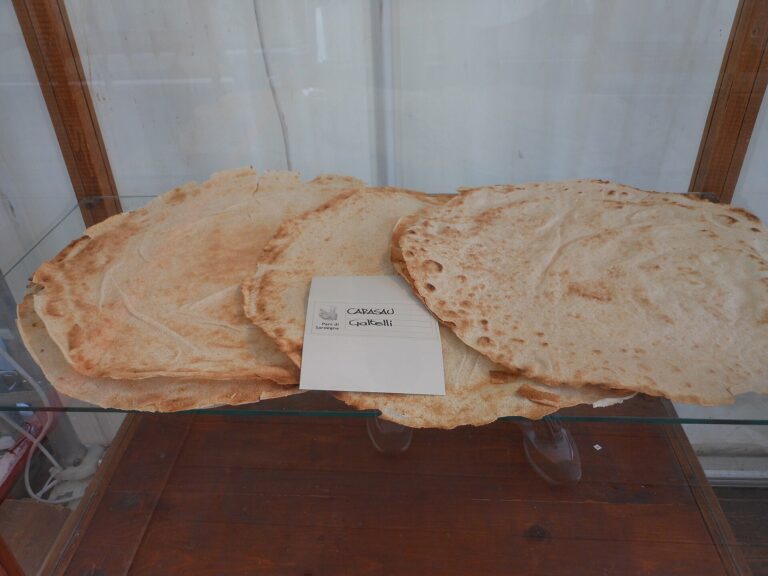
New Wine Festival in Dolianova 2026
Price on request Discover
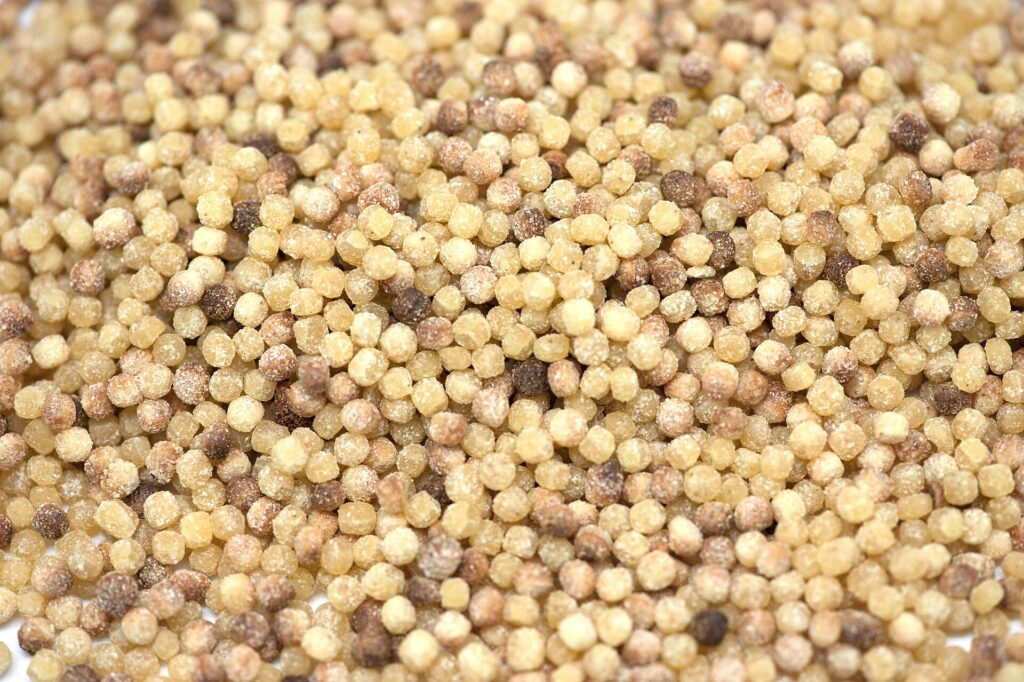
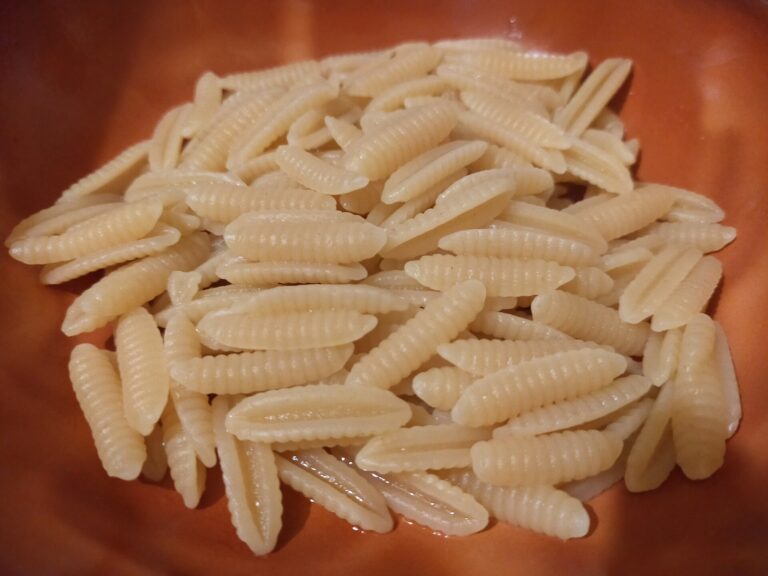
In Sardinia we call it fregula; on packets abroad it often reads fregola. These small, irregular beads of durum-wheat semolina are rolled by hand and then toasted, which gives them an amber colour and a faint bready aroma no other pasta has. Every Sardinian pantry has a bag of it – and the dish that has carried it around the world is fregula cun còciula, fregula with clams from Cagliari.
Fregula is old. The first written record is the statute of the millers of Tempio Pausania, dating to the 14th century, which allowed it to be made only from Monday to Friday so that weekend water could go to the fields. The name probably comes from Latin fricare, “to rub”, the very gesture used to make it. It resembles North African couscous, but nobody knows for sure whether the technique was imported or born here.
Just semolina, water and a pinch of salt, worked in the scivedda, a high-sided terracotta bowl: one hand swirls the semolina while the other sprinkles in water until beads of 2–6 mm form. They are dried and toasted in the oven; some add egg yolk and saffron. Small fregula goes into broths, medium into meat, cheese or shellfish sauces, large into drier, risotto-style dishes.
On the coast it tastes of the sea; inland it meets meat and sheep’s cheese. Cagliari also loves fregula with ragù, while the village of Neoneli makes fregula istuvada: boiled fregula layered with tomato sauce and plenty of pecorino, topped with sizzling lard that forms a crisp crust – a dish for village feast days.
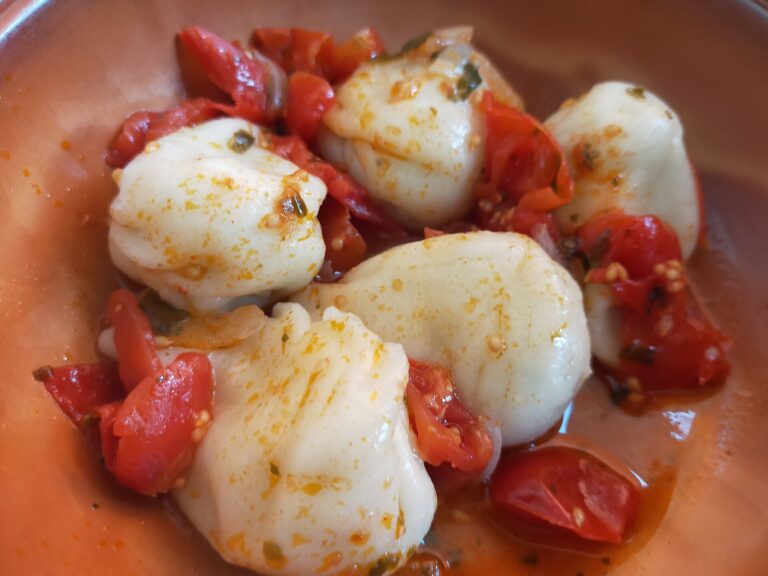
In Sardinia arselle means carpet-shell clams (Ruditapes decussatus). In November 2017 the Castello branch of the Accademia Italiana della Cucina registered the traditional recipe with a notary: fine fregula, fresh clams from Cagliari or Marceddì, tomato pulp and sun-dried tomatoes, garlic, extra-virgin olive oil, parsley, salt and pepper. A tomato-free version and one with mussels are also accepted. The fregula cooks right in the clam juices, risotto-style, and is served soft and slightly brothy.
Fregula has no PDO or PGI, but it is listed among Sardinia’s official Traditional Agri-food Products (PAT).
Pair fregula with clams with a crisp Sardinian white such as Vermentino. Fregula in broth warms winter evenings; with ragù it is a Sunday classic.
You will find it all over the island, but for the clam version head to Cagliari, where trattorias serve it year-round. For fregula istuvada go to Neoneli, which hosts “Wine, Fregula e Cassola” in autumn, with a fregula cooking contest and a traditional village lunch (dates change each year, so check ahead). Pasta workshops and farms also let you try rolling fregula by hand.
Same pasta: fregula is Sardinian, fregola the Italianised form.
No: the beads are larger, irregular and oven-toasted, and are boiled like pasta or cooked like risotto, not steamed.
Do you run activities in Sardinia?
Get your own page on Ajò Sardegna: free until 31 May 2027, no commissions, with customer requests coming straight to you. If you like, we prepare the page for you.
Hi!
Can I help you?
Lia is an AI-based virtual assistant and can make mistakes: always check with the operator. Please don't share personal data. Privacy