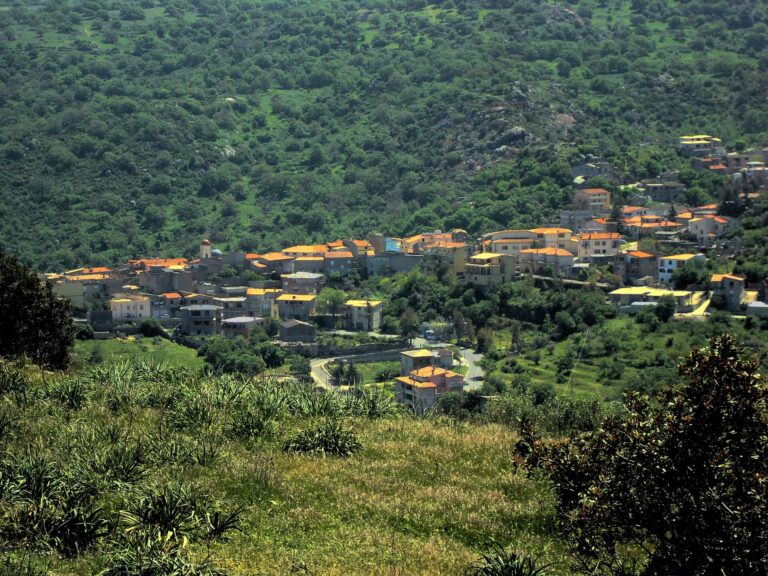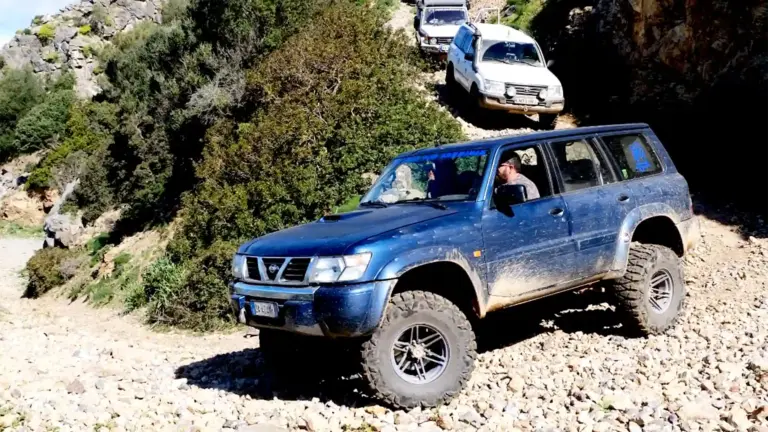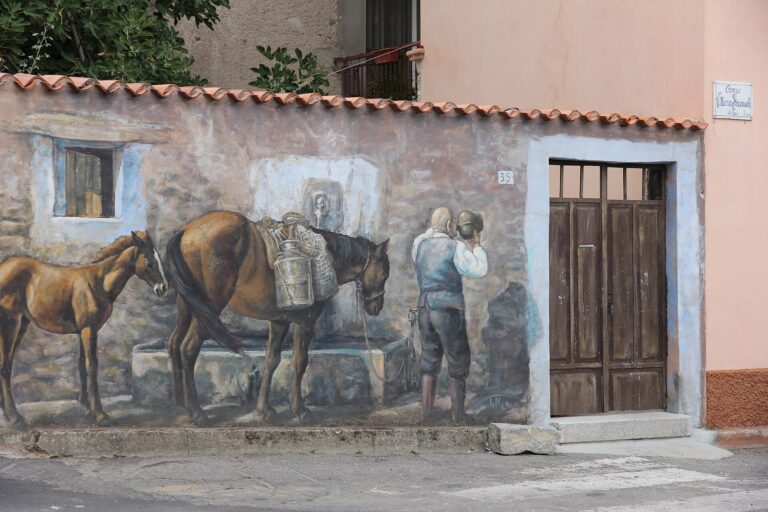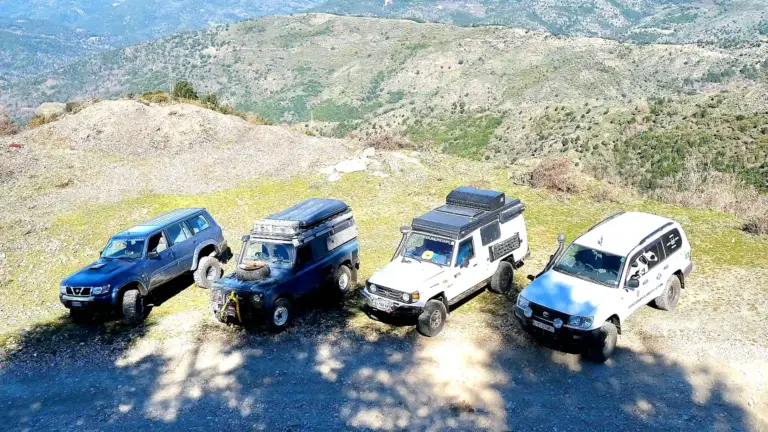
Autunno in Barbagia in Gadoni 2026: Cortes Apertas
Price on request Discover
In Barbagia and Ogliastra, a glass of wine is never just a glass of wine. Cannonau di Sardegna DOC is Sardinia’s signature red: deep ruby in colour, scented with ripe red fruit and Mediterranean scrub, warm and generous on the palate. It comes from the island’s most widely planted black grape and has always been part of feast days, Sunday lunches and long evenings in the cellar with friends.
Where Cannonau comes from is still a lively debate. For a long time it was believed to have arrived from Spain during Aragonese rule, and DNA analysis shows it is genetically identical to Spanish Garnacha and French Grenache. Yet the story may be older: in 2002, excavations at the Nuragic village of Duos Nuraghes in Borore uncovered hundreds of grape seeds dated to around 1200 BC, and similar finds came from Sa Osa in the Tirso valley, Sardara and Villanovafranca. Some scholars see them as proof that vines were grown here in the Nuragic age,. The question remains open.
In the 19th century the botanist Moris and the writer Vittorio Angius described Cannonau as the island’s most common grape, and Gabriele D’Annunzio, enchanted by the red wine of Oliena, called it the nepente di Oliena – the drink that makes you forget all sorrow.
Cannonau grows all over Sardinia, but its heartland is the centre-east: according to the official production rules it covers about a quarter of the island’s vineyards and over 60% in the province of Nuoro. The DOC includes Rosso, Rosato, Rosso Riserva, Passito and Liquoroso (dry or sweet), plus Classico, reserved for the provinces of Nuoro and Ogliastra. There are three sub-zones:
Mamoiada, in the mountains of Barbagia, is also gaining a reputation for its small family-run wineries.
The appellation was recognised by Presidential Decree on 21 July 1972 and covers the whole of Sardinia. The wine must contain at least 85% Cannonau (90% for Classico). Riserva is aged for at least two years, six months of them in wooden barrels; Classico for at least two years, including twelve months in wood.
Cannonau Rosso is made for Sardinian meat dishes: roast porceddu (suckling pig), lamb and kid, mutton stew, cured sausages and aged pecorino such as Fiore Sardo. Riserva and Classico stand up to grilled meats, while Rosato works with pasta in tomato sauce and culurgiones. Passito and Liquoroso pair with dry pastries and cheese at the end of a meal.
Go where it is made. In Jerzu, the “wine town”, the Jerzu Wine Festival takes place every August, organised by the municipality and Pro Loco: it opens with the historic wine festival parade of old harvest carts and includes the Calici di Stelle evening. The local cooperative winery, founded in the mid-20th century, is a must. Wineries in Oliena, Orgosolo, Mamoiada and the Sarrabus offer vineyard visits and guided tastings, usually by appointment.
Genetically, yes. Where it originated – Spain or Sardinia – is still debated, and centuries on the island have given Cannonau its own character.
Both age for at least two years. Riserva can come from anywhere in Sardinia and needs six months in wood; Classico comes only from Nuoro and Ogliastra, with at least 90% Cannonau and twelve months in barrel.
Do you run activities in Sardinia?
Get your own page on Ajò Sardegna: free until 31 May 2027, no commissions, with customer requests coming straight to you. If you like, we prepare the page for you.
Hi!
Can I help you?
Lia is an AI-based virtual assistant and can make mistakes: always check with the operator. Please don't share personal data. Privacy