Things to do in Muravera
Things to do in Muravera, Sardinia: San Giovanni, Colostrai, Feraxi and Costa Rei beaches, flamingo lagoons, Capo Ferrato, citrus and launeddas.

We are gathering the first experiences for this area. Check back soon, or tell us about an operator you know.
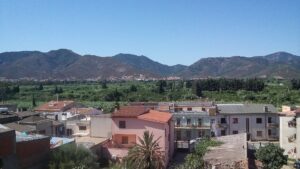
Muravera is the main town of the Sarrabus, in south-east Sardinia, about an hour's drive from Cagliari. It lies in the fertile Flumendosa valley among citrus groves and hills, and its territory faces a coast of very long beaches, flamingo-filled lagoons and coves at the foot of the Capo Ferrato headland. It's famous for its oranges and the Citrus Festival, and also for the launeddas, Sardinia's ancient triple-pipe wind instrument. It's ideal for families, lovers of calm seas and anyone wanting to combine beach and nature.
What to see in Muravera
San Nicola church and the town centre
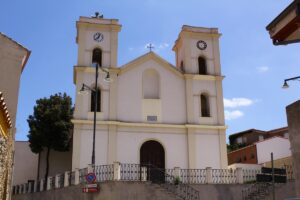
The sixteenth-century parish church of San Nicola di Bari is a fine example of late Gothic, with a crenellated bell tower and a single nave flanked by chapels. Inside are an eighteenth-century high altar in polychrome marble, Baroque altarpieces and a 1603 statue of St Sebastian. Around it, the centre keeps traditional Campidanese houses with courtyards and arched gateways.
Lagoons and flamingos
Behind the beaches lies a chain of lagoons: Feraxi, Colostrai, Saline and San Giovanni, where traditional fishing still goes on. They're wildlife havens for pink flamingos, avocets and black-winged stilts, and you can follow their shores on foot, by bike or on horseback.
Coastal towers
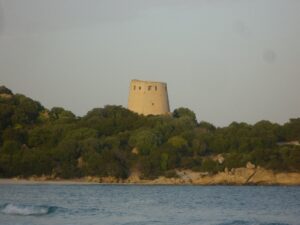
In the sixteenth and seventeenth centuries the Spanish built watchtowers against pirates: the Torre dei Dieci Cavalli near the mouth of the Flumendosa, the Torre delle Saline, which gives its name to the hamlet of Torre Salinas, and the tower of Capo Ferrato.
Archaeological sites
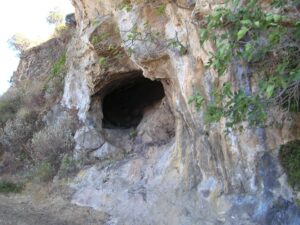
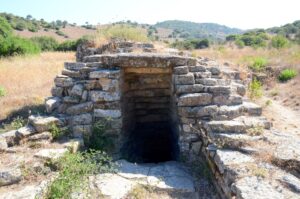
The area is rich in nuraghi such as Scalas, Orcu and Ponzianu, domus de janas rock-cut tombs like those at Monte Nai, and the Punic fortress of Baccu di Monte Nai. Towards Costa Rei you'll find the menhir groups of Piscina Rei and Cuili Piras.
Things to do in Muravera
In summer the day revolves around the sea: snorkelling among the rocks of Capo Ferrato, SUP and kayaking on calm water, boat trips along the Sarrabus coast to coves reachable only by sea. The lagoons are perfect for birdwatching and sunset horse rides. Inland, the Baccu Arrodas forest has hiking trails among holm oaks and strawberry trees along old miners' paths, while cyclists can ride through citrus groves and quiet country lanes. Below you'll find experiences offered by local operators: choose yours and book.
Beaches of Muravera
- San Giovanni: a wide beach of pale sand south of the Flumendosa mouth, with a gently sloping seabed, great for families.
- Colostrai: long and natural, with dunes full of sea lilies and the lagoon behind.
- Feraxi: about two kilometres of fine, amber-coloured sand, quiet even in high season.
- Capo Ferrato: small secluded coves among the rocks of the headland, ideal for snorkelling.
- Costa Rei: partly in the municipality, one of the longest beaches on the east coast, with white sand and crystal-clear water; the Piscina Rei stretch is famous for its transparent shallows.
History
The area has been inhabited since prehistory, as menhirs and nuraghi show, and was visited by Phoenicians, Punics and Romans; a Roman cistern has even been found in Muravera. In the Middle Ages it belonged to the Sarrabus district of the Giudicato (medieval kingdom) of Cagliari, then passed to Gallura and under Pisan control. After the Aragonese conquest of 1324 it was handed as a fief to families such as the Carroz, Centelles and Osorio, until feudalism was abolished in 1839. In the twentieth century the Flumendosa valley became one of Sardinia's leading citrus-growing areas.
Food and what to buy
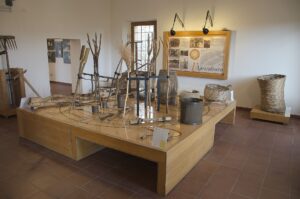
The valley's oranges, clementines, mandarins and lemons are the signature product. Sarrabus cooking offers traditional breads, cheeses like casu axedu, a fresh, tangy cheese, honey, wines and almond sweets. From the lagoons come eels, grey mullet and bottarga. Crafts include wicker and rush baskets, loom-woven rugs and shawls, filigree jewellery and, of course, launeddas, three-pipe instruments made from lagoon reeds.
Festivals and traditions
- Sagra degli agrumi (Citrus Festival): in spring, since 1961, the main event, with a produce fair, parades of folk groups from all over the island, floats recreating rural life and evenings with launeddas music.
- Maskaras: in early August, a summer carnival with Sardinia's traditional masks.
The Sarrabus is a land of great launeddas players, one of the oldest wind instruments in the Mediterranean.
Nearby
- Villaputzu and San Vito (about 10 minutes): launeddas tradition and Porto Corallo beach.
- Castiadas (about 25 minutes): the old penal colony and the beaches of Cala Sinzias.
- Villasimius (about 45 minutes): Capo Carbonara and its marine protected area.
- Sette Fratelli forest: woods and Sardinian red deer in the mountains towards Cagliari.
Getting there and when to go
Muravera is about an hour from Cagliari along the SS 554 and SS 125. The nearest airport is Cagliari-Elmas and the nearest port is Cagliari. Summer is beach season, with June and September calmer; spring brings the Citrus Festival and the scent of orange blossom, while the mild winter is orange-picking time.
Frequently asked questions
Is Muravera good for families?
Yes: San Giovanni, Colostrai and Feraxi beaches have shallow, sandy seabeds, and kids love the flamingo lagoons.
How many days do I need in Muravera?
At least 3–4 days to mix beaches, lagoons and an inland excursion.
When is the Citrus Festival?
In spring; the date changes every year, so check the calendar before you go.