Things to do in Cardedu
Cardedu, Ogliastra: Museddu, Perd'e Pera and Sa Spiaggetta beaches, Su Presoneddu sacred well, Maria Lai's Via Crucis and nearby sights.
We are gathering the first experiences for this area. Check back soon, or tell us about an operator you know.
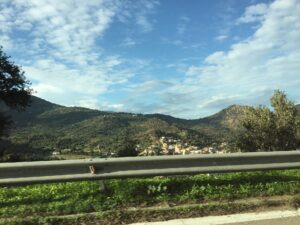
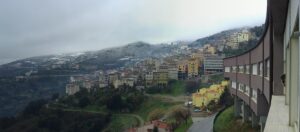
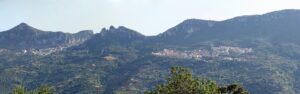
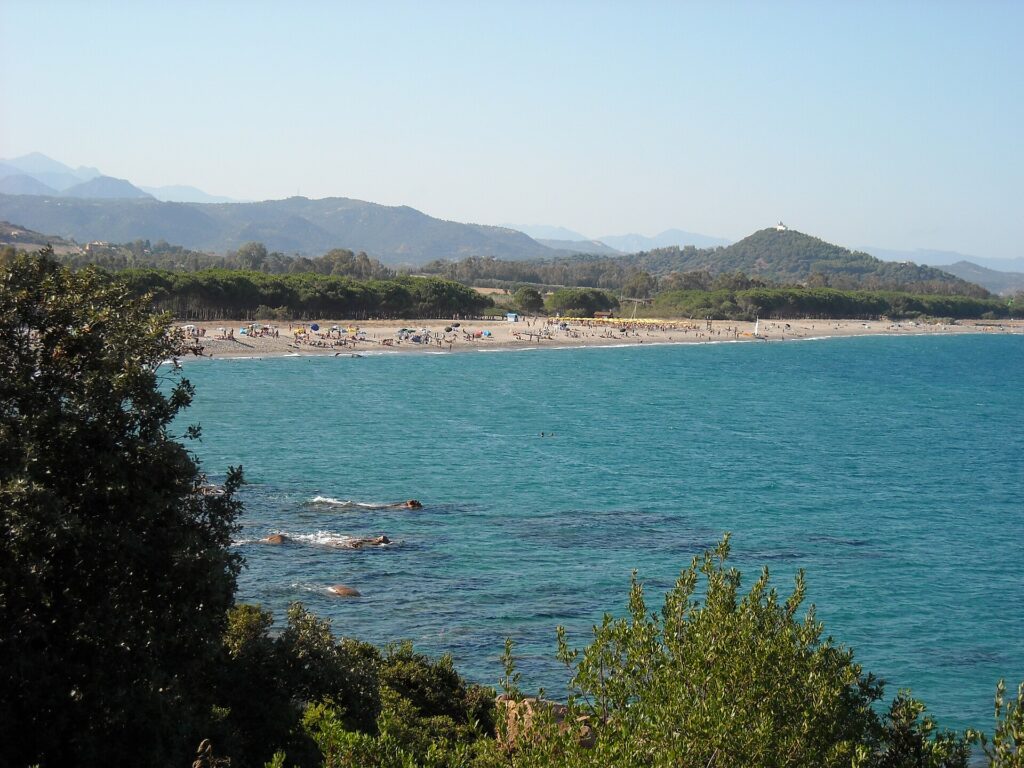
Cardedu is Ogliastra's youngest municipality, on Sardinia's east coast: around 2,000 people on a plain between hills and mountains, a few minutes from a pale-sand marina about 5 km long. The name is thought to come from the thistle (cardo), once common here. It is ideal for families and anyone after wide, quiet beaches, with the Tacchi hinterland and Ogliastra's villages close at hand.
What to see in Cardedu
Church of San Paolo Apostolo
The parish church holds a Via Crucis donated by Maria Lai, the Ulassai-born artist who was one of 20th-century Italy's most important. The village also has the church of Nostra Signora del Buoncammino.
Su Presoneddu sacred well
An imposing, still intact Nuragic sacred well, a witness to the Bronze Age water cult.
Nuraghi, domus de janas and menhirs
The area has four nuraghi (Bronze Age stone towers), including Perda 'e Pera, domus de janas (Neolithic rock-cut tombs) at Monte Arista and Cucuddadas, and the menhirs of Costa Iba.
Things to do in Cardedu
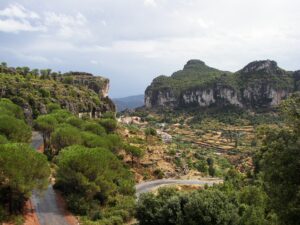
The sea is the star: swimming, snorkelling along the rocky stretch, kayaking and SUP on calm days. The hills and mountains behind can be explored on foot or by mountain bike, on routes leading to nuraghi and rock-cut tombs. You can also head up towards the Tacchi of Ogliastra or visit Cannonau wineries in nearby villages. Below you'll find the experiences offered by local operators: choose your day between sea and mountains.
Beaches of Cardedu
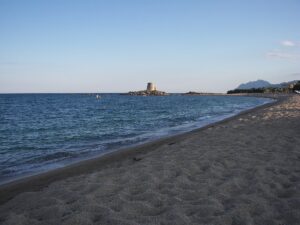
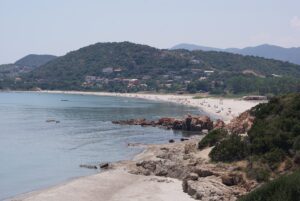
- Foddini, Tramalitza, Museddu and Perd'e Pera: together about 5 km of sandy coast, with fine pale sand mixed with small pebbles and clear water. Wide and never too crowded, they are perfect for families.
- The rocky stretch: about a kilometre of reddish rocks, great for snorkelling.
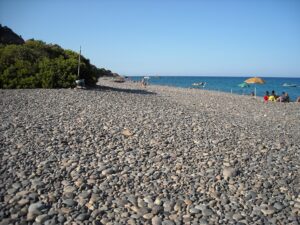
- Sa Spiaggetta: at the southern end, a small cove of large smooth pebbles for a quieter corner.
History
The area has been inhabited since the Neolithic, as the rock-cut tombs and menhirs show, and has Nuragic towers and a sacred well. The modern village is recent: after the 1951 flood some families from Gairo moved to the plain near the sea, and in 1966 the hamlet of Cardedu was founded with a church, a school and basic services. Once part of Gairo, it became an independent municipality in 1984.
What to eat and buy
Food is pure Ogliastra: culurgionis (pasta parcels filled with potato, cheese and mint), cheese, roast meat and Cannonau wine from local vineyards. Crafts include knives and woven baskets.
Festivals and traditions
During the year the village celebrates San Paolo, to whom the parish church is dedicated, and Nostra Signora del Buoncammino with processions and community festivities. Many traditions, from songs to recipes, come from the community's place of origin, Gairo.
Nearby
- Gairo Vecchio, the ghost village abandoned after the flood.
- Jerzu, the town of Cannonau, and Ulassai, with works by Maria Lai.
- Bari Sardo and its coastal tower.
- Tortolì-Arbatax, with its red rocks and port.
- Coccorrocci, the pebble beach of Marina di Gairo.
Getting there and when to go
Cardedu lies on the SS125 Orientale Sarda road. The nearest port is Arbatax, about 25 minutes away; the handiest airport is Cagliari, about an hour and three quarters, while Olbia is about two and a half hours. June and September are perfect for the sea with fewer people; spring and autumn for inland hikes.
FAQ
Are Cardedu's beaches good for children?
Yes, the long sandy stretches are spacious and family-friendly; always check sea conditions on windy days.
How many days do I need?
Two or three days for the sea and surroundings; more if you use it as a base for Ogliastra.
Why is Cardedu such a young municipality?
It was founded in the 1960s by Gairo families who moved after the 1951 flood, and has been independent since 1984.