Things to do in Santa Teresa Gallura
Things to do in Santa Teresa Gallura, Sardinia: Rena Bianca, Capo Testa, Valle della Luna, boat trips to La Maddalena and Corsica, beaches and tips.
We are gathering the first experiences for this area. Check back soon, or tell us about an operator you know.
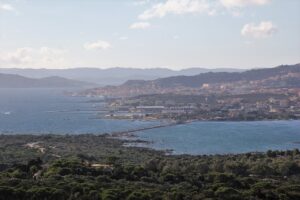
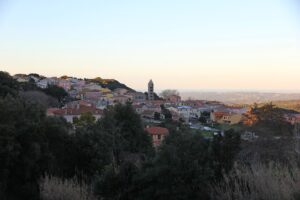
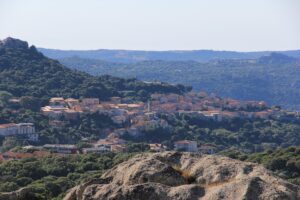
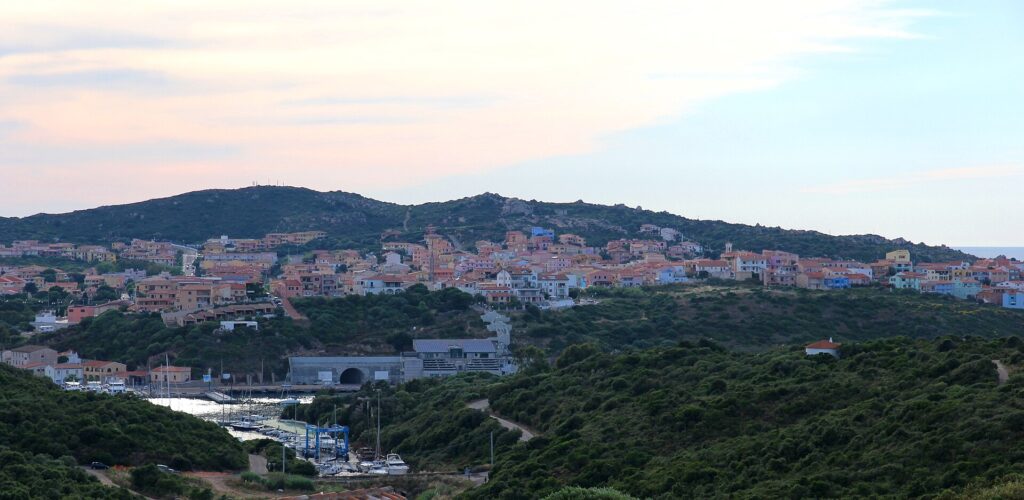
Santa Teresa Gallura is the northernmost town on the Sardinian mainland, set on a headland above the Strait of Bonifacio, with Corsica close enough to see with the naked eye. It has a tidy, lively centre, a white-sand beach a few steps from the main square and, just minutes away, the wind-carved granite of Capo Testa. It's the perfect base for mixing beach days, coastal walks, boat trips to La Maddalena and even a day in Corsica – great for families, couples, wind-sports fans and nature lovers.
What to see in Santa Teresa Gallura
The town centre and Piazza Vittorio Emanuele
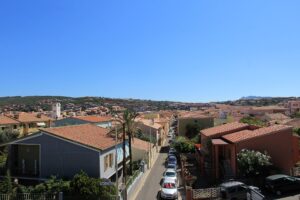
The town was founded in 1808 by King Victor Emmanuel I of Savoy, who named it after his wife, Queen Maria Teresa, and drew up its plan himself. The result is a grid of straight streets, typical of Piedmontese military towns, built around the main square and the parish church. In the evening the streets fill with strollers, craft shops and outdoor tables.
Longonsardo Tower
Built around the 16th century under Spanish rule on the very tip of the headland, the Torre di Longonsardo guarded the passage through the strait. From its terrace you can see Rena Bianca beach, the fjord-like inlet of Porto Longone and the white cliffs of Bonifacio across the water.
Capo Testa and the Valle della Luna
A few kilometres from town, Capo Testa is a granite headland joined to the mainland by a narrow isthmus with a beach on each side. Its rocks take on extraordinary shapes, sculpted by wind and sea. The Romans opened large quarries here: stepped cuts and abandoned blocks and columns are still visible on the cliffs. Tradition says granite from here went into the Pantheon, and in the Middle Ages the Pisans quarried it for their cathedral. On the west side lies the Valle della Luna ("Valley of the Moon"), a small valley among boulders running down to the sea. At the top stands the lighthouse, with a spectacular view of Corsica.
Lu Brandali nuraghe
Just outside town, the Lu Brandali archaeological site brings together a nuraghe (Bronze Age stone tower), the remains of a village and a giants' tomb: a short, atmospheric stop among maquis and granite.
Porto Pozzo and the Buoncammino church
Porto Pozzo is a hamlet on a long, narrow inlet popular with windsurfers and kitesurfers. Near town, beneath an old pine wood, stands the small 17th-century country church of Buoncammino.
Things to do in Santa Teresa Gallura
From the harbour, boat trips to the La Maddalena archipelago stop for swims among the park's islands, while others follow the Capo Testa coast, where the rocks look their best from the sea. The ever-windy Strait of Bonifacio is a paradise for sailing, windsurfing and kitesurfing, and Porto Pozzo is a well-known spot for beginners and experts alike.
The granite seabed is great for snorkelling and diving, and the jagged coast is lovely to explore by kayak or SUP. On land, the trails of Capo Testa offer sunset walks among rocks and Roman quarries; this is also the official starting point of the Sentiero Italia, the long-distance trail that crosses the whole country. You can cycle along the coast or ride a horse through the Gallura countryside. And for something different, the ferry takes you to Bonifacio, in Corsica, in no time.
Boat trip to La Maddalena, kitesurfing lesson or a hike on Capo Testa: just below you'll find the experiences offered by Santa Teresa's local operators, ready to book.
Beaches of Santa Teresa Gallura
Rena Bianca
The town beach: fine white sand, water shifting from turquoise to blue and Longonsardo Tower in the background. Easy for everyone, with facilities; very busy in summer.
Rena di Ponente and Rena di Levante (Capo Testa)
The two beaches on either side of the Capo Testa isthmus: when the wind blows on one, the other is usually sheltered. Pale sand and gently shelving water, good for families.
Cala Spinosa and Valle della Luna
Small coves among Capo Testa's granite with incredibly clear water – perfect for snorkelling and reached on foot along short paths.
More beaches
- La Marmorata: a wide bay east of town, looking out on the islets of the same name.
- La Licciola and Valle dell'Erica: beaches and coves among rocks and maquis towards Porto Pozzo.
- Porto Pozzo: calm, shallow water inside the inlet, popular with wind-sports fans.
- Santa Reparata: a sheltered bay near Capo Testa with small beaches and rocks.
History
People have lived here since prehistory, as nuraghi and giants' tombs such as Lu Brandali show. In Roman times the harbour, called Longonsardo, was important for shipping the granite quarried nearby, and the ancient town of Tibula may have stood in the area. In the Middle Ages the land belonged to the Giudicato (medieval kingdom) of Gallura, and the Pisans quarried Capo Testa's granite again. The Aragonese built a castle in the 14th century, later destroyed, and in the 16th century the Spanish raised the tower that still dominates the town.
After Sardinia passed to the House of Savoy, Victor Emmanuel I founded the new town in 1808. In the 19th and 20th centuries fishermen from the island of Ponza settled here, leaving their mark even on the local dialect, "lungunesu", a variant of Gallurese. Since the post-war years tourism has been the town's main resource.
What to eat and buy
The local table blends sea and Gallura countryside: fresh fish, lobster and shellfish alongside zuppa gallurese – stale bread, cheese and broth baked in the oven – sheep's cheeses and roast meats. Don't miss Vermentino di Gallura, Sardinia's only DOCG wine, bittersweet strawberry-tree honey and myrtle liqueur. Souvenirs include cork goods, typical of Gallura, granite pieces, traditional rugs and textiles, and handmade jewellery.
Festivals and traditions
The patron saints' festival is held in mid-October in honour of Saint Victor, Saint Teresa of Ávila and Saint Isidore: masses, processions with groups in traditional dress, music, traditional races and fireworks at Longonsardo Tower. In summer the town comes alive with concerts and evenings in the square, while Gallurese culture lives on in song, dance and language.
Nearby
- La Maddalena and Caprera: by boat from Santa Teresa or by ferry from Palau.
- Bonifacio (Corsica): the clifftop town, about an hour away by ferry.
- Palau: Bear Rock and the port for La Maddalena, about 30 minutes' drive.
- Aglientu and Rena Majore: long beaches and dunes to the west, about 20 minutes away.
- Tempio Pausania: a granite old town and the cork woods of Mount Limbara, about an hour away.
Getting there and when to go
The nearest airport is Olbia Costa Smeralda, about an hour's drive; Alghero is another option, about two hours away. The ports of Olbia and Golfo Aranci link Sardinia with mainland Italy, and ferries to Bonifacio leave from Santa Teresa's own harbour. The main road in runs from Olbia via Arzachena and Palau. The best time is May to October: June and September are ideal for warm sea and fewer crowds, spring and autumn for hiking and wind sports. The mistral blows often here, so check the forecast to pick the most sheltered beach.
FAQ
How many days do you need for Santa Teresa Gallura?
At least three: one for the town and Rena Bianca, one for Capo Testa and one for a boat trip to La Maddalena. Add a day for Bonifacio.
Is Santa Teresa Gallura good for families?
Yes: beaches like Rena Bianca and Capo Testa's two Rena beaches shelve gently, and the town centre is compact and pushchair-friendly.
Can you go to Corsica from Santa Teresa Gallura?
Yes, ferries leave daily for Bonifacio; the crossing takes about an hour, so a day trip is easy.
What is the most beautiful beach in Santa Teresa Gallura?
Rena Bianca is the most convenient and famous, but the coves of Capo Testa, like Cala Spinosa and Valle della Luna, are the most spectacular.