Things to do in La Maddalena
Things to do in La Maddalena, Sardinia: archipelago boat tours, Caprera and Garibaldi's house, Pink Beach, Cala Coticcio, beaches and travel tips.
We are gathering the first experiences for this area. Check back soon, or tell us about an operator you know.
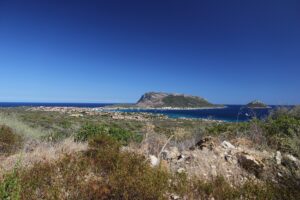
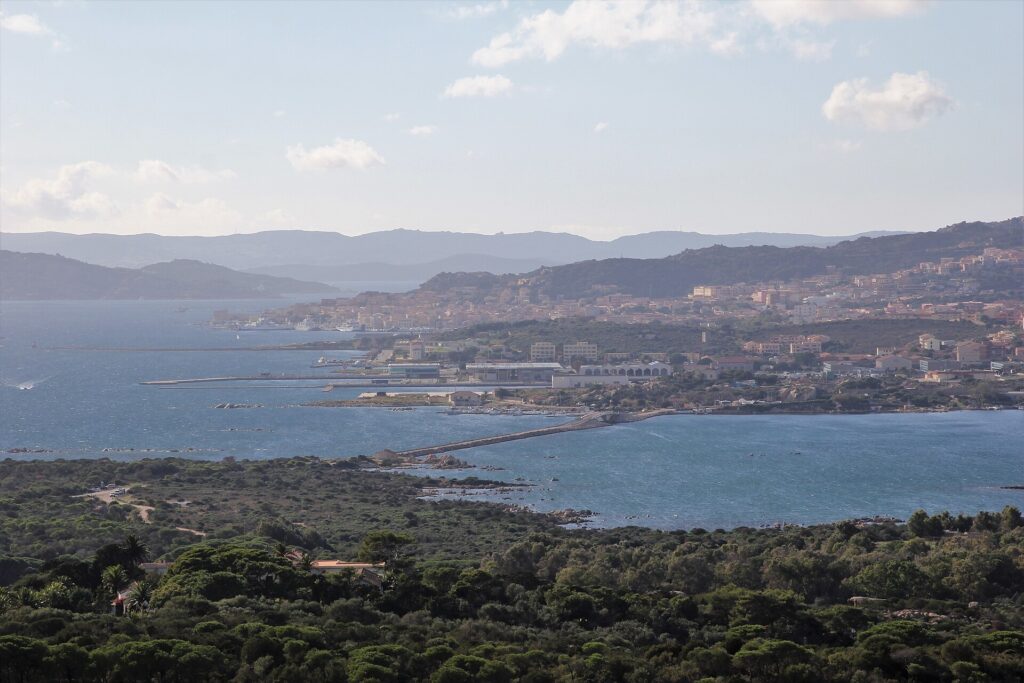
La Maddalena is Sardinia's northernmost municipality, and it isn't a single town but a whole archipelago of pink granite between Gallura and Corsica, just a short ferry ride from Palau. Its islands – La Maddalena, Caprera, Santo Stefano, Spargi, Budelli, Santa Maria and Razzoli, plus dozens of islets – make up the La Maddalena Archipelago National Park, with some of the clearest water in the Mediterranean. You come here for the sea, best enjoyed by boat, but also for a lively harbour town and for Giuseppe Garibaldi's house-museum on Caprera. It's ideal for couples, families, sailors, snorkellers and kayakers.
What to see in La Maddalena
The old town and Cala Gavetta
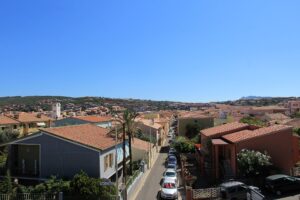
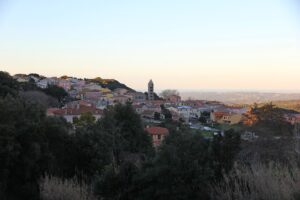
The town grew up around 1770 around Cala Gavetta, the little harbour that is still its heart. The streets of the centre, lined with pastel houses, shops and cafés, are easy to explore on foot, and Piazza Garibaldi is where everyone meets in the evening. The town's long military past – it has been a navy base since the late 1800s – shows in its buildings and in the forts scattered on the hills.
Church of Santa Maria Maddalena and Nelson's gifts
The parish church is dedicated to the patron saint, Mary Magdalene. It is linked to British admiral Horatio Nelson, who used the archipelago as a base for his fleet in the early 1800s and gave the parish a crucifix and a pair of silver candlesticks, still kept among the church's treasures.
Caprera and the Garibaldi Compendium
Joined to La Maddalena by a road causeway, Caprera is the island Giuseppe Garibaldi, hero of Italian unification, chose as his home from 1856. His Casa Bianca ("White House"), now a museum, preserves his rooms, personal belongings and farm tools, and his tomb lies nearby. In the old Arbuticci fort, also on Caprera, a multimedia museum tells the story of his life. Covered in pine woods and maquis, the island is lovely for walks too.
The panoramic road
A road of about 20 km loops around the main island. By car, scooter or bike it offers constant views of the islands, the beaches of Spalmatore, Bassa Trinita and Monti d'a Rena and, on clear days, the coast of Corsica.
Forts and the Naval Archaeology Museum
On the hills you'll find forts and batteries built between the 18th and 20th centuries to guard the Strait of Bonifacio. The "Nino Lamboglia" Naval Archaeology Museum displays the remains of a Roman ship wrecked off Spargi, with its cargo of amphorae – proof of how busy these sea routes already were in antiquity.
Things to do in La Maddalena
The must-do experience is a boat trip around the archipelago: day tours usually take in Budelli, Santa Maria, Razzoli and Spargi, stopping to swim in coves you can only reach by sea, such as the famous turquoise "pools" between the islands. You can also rent a dinghy (some areas of the park require permits, which local operators know well) or join a sailing trip for a slower, quieter day.
The park is superb for snorkelling and diving, with granite seabeds, seagrass meadows and plenty of fish. Kayaking and SUP along Caprera's coast are a gentle way to explore, while the steady winds of the strait make this a great spot for sailing, windsurfing and kitesurfing. On land, Caprera's trails and the panoramic road are perfect for hiking and cycling, especially in spring and autumn.
Whether you're after a day on a boat among the islands, a guided dive or a sunset kayak tour, you'll find the experiences offered by local operators right below: pick yours and book.
Beaches of La Maddalena
Spiaggia Rosa (Budelli)
Famous for its pink sand, made of fragments of microorganisms and shells, it became an icon after Antonioni's film Red Desert. To protect it, landing is forbidden: you admire it from the sea on boat tours.
Cala Coticcio (Caprera)
Nicknamed "Tahiti" for its crystal water between granite rocks, it's reached by a trail or by sea. The park regulates access in the busiest months, so check before you go.
Cala Corsara (Spargi)
A string of small white beaches with shallow, clear water – a classic stop on boat tours.
Beaches on La Maddalena island
- Bassa Trinita: wide, with dunes and pale sand, easy for families.
- Spalmatore: a sheltered bay with shallow water, great with kids.
- Monti d'a Rena: a long beach near the panoramic road, with island views.
- Cala Lunga, Punta Tegge, Abbatoggia and Cala Francese: coves and granite rocks, excellent for snorkelling.
History
The earliest human traces date back to the Neolithic, with finds in rock shelters near Spalmatore. In Roman times trade routes crossed the islands, as the Spargi wreck shows. In the Middle Ages, under the Giudicato (medieval kingdom) of Gallura, only small groups of monks lived here, and the islands were then long abandoned. Shepherds from Corsica arrived in the 1600s; in 1767 the House of Savoy set up a garrison, and a few years later the town was born at Cala Gavetta.
On 23 February 1793 a French fleet, with a young Napoleon Bonaparte among its officers, tried to take the island but was driven back by Sardinian forces led by local man Domenico Millelire. Nelson came in the 19th century, followed by Garibaldi, who lived on Caprera until his death. From 1887 La Maddalena was a Royal Navy base, and in the late 20th century Santo Stefano hosted a US submarine base, closed in 2008. Since 1994 the whole archipelago has been a national park.
What to eat and buy
Food here is all about the sea: fish soups and grills, lobster, octopus, mussels and shellfish, with Ligurian, Corsican and southern Italian touches brought by fishermen and sailors over the centuries. From inland Gallura come zuppa gallurese (bread, cheese and broth baked in the oven), sheep's cheeses, strawberry-tree honey, myrtle liqueur and Vermentino di Gallura, Sardinia's only DOCG wine. Good souvenirs include cork and granite objects, sea-inspired handmade jewellery and myrtle liqueur.
Festivals and traditions
The most heartfelt celebration is the feast of the patron saint, Santa Maria Maddalena, on 22 July, with religious ceremonies and festivities in town. Seafaring traditions live on all year round, as do the anniversaries linked to Garibaldi on Caprera.
Nearby
- Palau: the ferry port, with the striking wind-sculpted Bear Rock (Roccia dell'Orso).
- Santa Teresa Gallura: Rena Bianca beach and the rocks of Capo Testa, about 30 minutes' drive from Palau.
- Costa Smeralda: Porto Cervo and the bays of Arzachena, about half an hour from Palau.
- Archaeological Arzachena: some of Gallura's best-known giants' tombs and nuraghi (Bronze Age stone towers).
- Bonifacio (Corsica): a day trip by ferry from Santa Teresa Gallura.
Getting there and when to go
The nearest airport is Olbia Costa Smeralda, about 45 minutes' drive from Palau; the ports of Olbia and Golfo Aranci link Sardinia with mainland Italy. Ferries from Palau to La Maddalena run frequently all year, even at night, and the crossing takes about a quarter of an hour; cars can be taken on board. The best time is May to early October: June and September bring warm sea and fewer crowds, while July and August are liveliest but busiest. The mistral wind can blow hard and cancel boat trips, so keep a couple of spare days.
FAQ
How many days do you need for La Maddalena?
At least two or three: one for the archipelago boat tour, one for Caprera and Garibaldi's house, and one for the panoramic road and the main island's beaches.
Can you visit the Pink Beach?
No – landing and walking on Budelli's Spiaggia Rosa is forbidden to protect it, but you can see it from the boat on tours.
Do you need a car on La Maddalena?
Not necessarily: the town is walkable and there are buses plus scooter and bike rentals. A car is handy for the beaches and Caprera.
Is La Maddalena good for families?
Yes: many beaches, such as Spalmatore and Bassa Trinita, are sheltered and shallow, and boat trips are a real adventure for kids.