Things to do in Golfo Aranci
Things to do in Golfo Aranci, Sardinia: the Five Beaches, Capo Figari, dolphin watching, boat trips to Figarolo and Tavolara, seafood and travel tips.
We are gathering the first experiences for this area. Check back soon, or tell us about an operator you know.
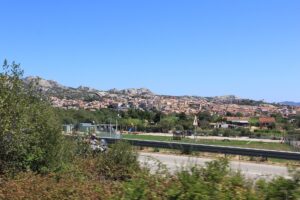
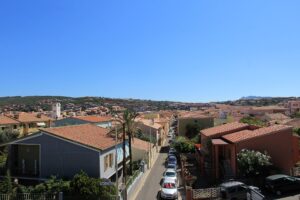
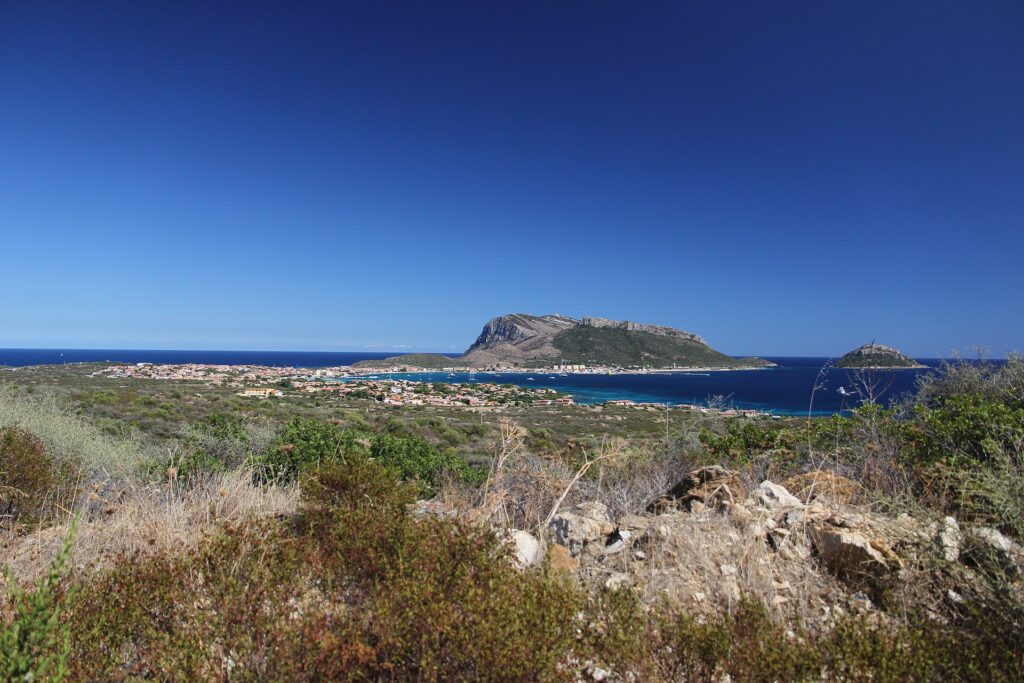
Golfo Aranci is a seaside town in north-eastern Gallura, stretched along a narrow peninsula that ends at the Capo Figari headland, about 20 minutes' drive from Olbia. Many people know it only as a ferry port, but those who stay find pale sandy beaches a short walk from the houses, clear water with views of Tavolara island and one of the most closely studied dolphin populations in the Mediterranean. It's an easy, laid-back destination, ideal for families, for anyone who wants the sea without long drives, and for fans of boat trips and scenic walks.
What to see in Golfo Aranci
Capo Figari
The limestone headland of Capo Figari towers over the town and the bay. A trail climbs to the old naval signal station, from where Guglielmo Marconi carried out short-wave radio experiments with the mainland in 1932. From the top the view stretches along the coast to Tavolara and, on clear days, the Costa Smeralda. The path crosses fragrant Mediterranean scrub; go early or late in the day.
Figarolo island
Opposite Capo Figari lies the islet of Figarolo, already visited in Phoenician, Punic and Roman times. Today it's a small natural haven known for the mouflon (wild sheep) living on its rocks; you can admire it from the sea or from Cala Moresca beach.
Things to do in Golfo Aranci
The sea is the star here. Golfo Aranci hosts a research institute devoted to the bottlenose dolphins that live in the bay year-round, and respectful boat trips to watch them are one of the experiences families love most.
- Boat trips: cruises around Capo Figari and Figarolo, swim stops in coves reachable only by sea, outings towards Tavolara and the Olbia coast.
- Snorkelling and diving: the rocky seabed around the headland and the islet is full of life, with very clear water.
- Water sports: in the Marinella bay you'll find schools and rentals for sailing, windsurfing, kayaking and SUP.
Right below you'll find the experiences offered by local operators in Golfo Aranci: pick your boat trip or excursion and book it directly.
Beaches in Golfo Aranci
The Five Beaches
Along the road running through town you'll find the "town beaches", simply called First, Second, Third, Fourth and Fifth Beach. The First is right in the centre, facing Tavolara; the Third, the largest, has emerald water; the Fourth looks out to Capo Figari and Figarolo; the Fifth has a shallow seabed that forms a natural pool. They're perfect if you have children and don't want to use the car.
Cala Moresca
A small cove of sand and pebbles at the foot of Capo Figari, reached by a short walk through a pine wood. The seabed is mixed and rocky on the sides, great for snorkelling and nature lovers.
Cala Sassari and Marinella
Further south, in the Marinella bay, the sand is pale and the water shallow: wide beaches suited to families and water sports.
Baia Caddinas and Sos Aranzos
Baia Caddinas, close to the centre and the marina, has calm, very shallow water, ideal for little ones. Sos Aranzos is more secluded, mixing sand and rocks, and is reached by a footpath with views of Tavolara.
History
The area was inhabited in the Nuragic age, as the Milis sacred well shows, and visited by Phoenicians, Punics and Romans: underwater finds from the 3rd century BC onwards have been recovered at Cala Moresca. For centuries the peninsula stayed almost empty. In the 19th century shepherds arrived, followed by fishing families from the islands of Ponza and Ventotene and from Pozzuoli, who founded the village. With the railway and the port, Golfo Aranci became one of Sardinia's main gateways and the only port on the island able to take train ferries. It was part of Olbia until 1979, when it became an independent municipality.
What to eat and what to buy
The cooking is all about the sea: the day's catch, fish soups, shellfish and, in the cooler months, sea urchins, a delicacy across Sardinia. Mussels are farmed in the Gulf of Olbia and appear in many dishes. From the Gallura hinterland come sheep's cheeses, cured meats and Vermentino di Gallura, Sardinia's only DOCG wine and a perfect match for fish. Good souvenirs include wine, honey, almond sweets and Gallura cork crafts.
Festivals and traditions
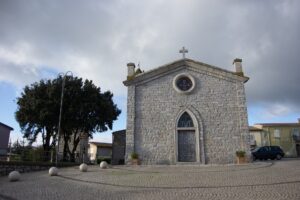
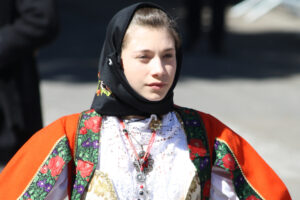
The festivals tell the story of the town's origins. On 20 June locals honour San Silverio, patron saint of Ponza, brought here by fishermen from that island: after mass, his statue is carried in a boat procession around the bay. On the first Sunday of May the feast of Nostra Signora del Monte is held at the country church. The local dialect is a mosaic too: Gallurese and Logudorese Sardinian mixed with words brought by families from mainland Italy.
Nearby
- Olbia (about 20 minutes): old town, the basilica of San Simplicio and the archaeological museum.
- Costa Smeralda (about 40 minutes to Porto Cervo): famous beaches and granite coves.
- Tavolara: the island is reached by boat, mainly from Porto San Paolo.
Getting there and when to go
Olbia Costa Smeralda airport is about 20 km away. Golfo Aranci's port has ferries to Livorno and other ports in mainland Italy and France, and the town is also the end of the railway line from Cagliari. The best time is May to October: June and September combine warm sea and fewer crowds, while July and August are the liveliest months.
Frequently asked questions
How many days do you need for Golfo Aranci?
Two or three days are enough for the beaches, Capo Figari and a boat trip. It's also a great base for a week exploring Gallura.
Is Golfo Aranci good for families?
Yes: many beaches are shallow and within walking distance of the centre, and the dolphin-watching trip is a big hit with children.
Will I really see dolphins in Golfo Aranci?
Bottlenose dolphins live in the bay all year and are the subject of scientific research; sightings are frequent but never guaranteed, as they're wild animals.