Things to do in Uri
Things to do in Uri, Sardinia: the Santa Caterina nuraghe in the village, Lake Cuga, Paulis abbey ruins and the March artichoke festival.
We are gathering the first experiences for this area. Check back soon, or tell us about an operator you know.
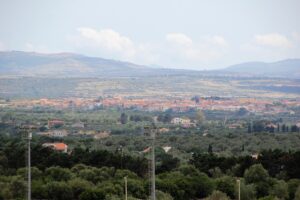
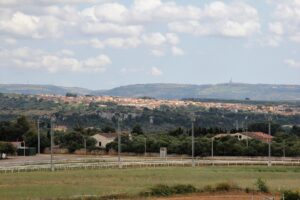
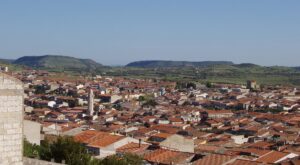
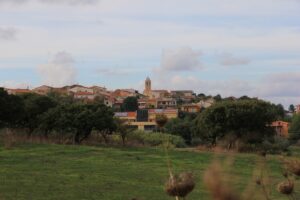
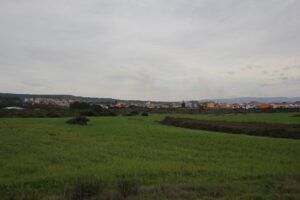
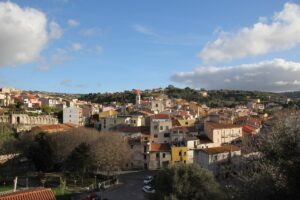
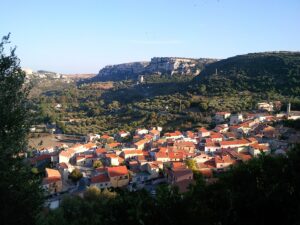
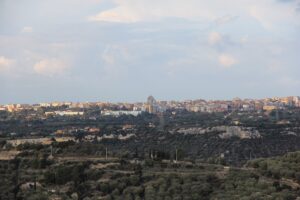
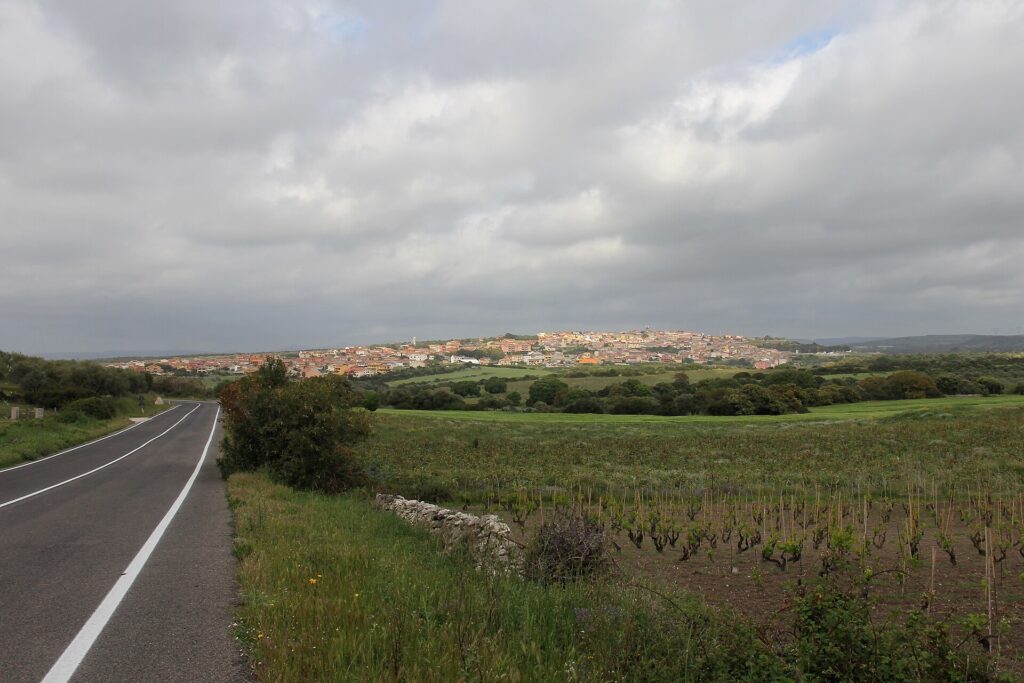
Uri is a farming village of about 3,000 people in the Coros area of north-west Sardinia, about 15 km from Sassari and 18 km from Alghero. Among hills planted with artichokes, vines and olives, it keeps a rare Nuragic complex right in the village centre and overlooks the artificial Lake Cuga. It is worth a visit for its archaeology, the artichoke festival and a handy location between sea and countryside. Ideal for families, history lovers and food lovers.
What to see in Uri
The Santa Caterina Nuragic complex
In the heart of the village, the Santa Caterina complex (Cadrina in Sardinian) includes a nuraghe, a Bronze Age stone tower, with a main tower about 12 metres across, two secondary towers joined by a wall and a village with a well. Finding such a site inside a town is rare.
The churches
The church of Nostra Signora della Pazienza dates from the 16th century; Santa Croce is older. Outside the village, along an ancient road, lie the ruins of the Cistercian abbey of Paulis, founded in 1205 between Uri and Ittiri, with remains of the cloister and a three-aisled church; a new church of Santa Maria was built next to it in 1995.
Tombs and nuraghi
The area holds dozens of nuraghi. Not far from the village is the giants' tomb of Sa Pedra Longa, with a tall stele. In the centre, look out for the 18th-century Funtana Manna fountain and the Su Trogliu wash house.
Things to do in Uri
Lake Cuga, a reservoir created in the 1960s and 70s, is popular for sport fishing and birdwatching, with rare waterfowl. When the water is low, usually in summer, the remains of nuraghi such as Peppe Gallu and Sa Iddazza reappear. The countryside is great for walks and bike rides among artichoke fields and olive groves, and you can visit olive mills and farms. Discover the experiences offered by local operators just below.
History
Inhabited since the Bronze Age and still in Roman times, Uri appears in the medieval Condaghe (monastic register) of San Pietro di Silki. It passed under Arborea, the Doria, the Malaspina and then the Aragonese; in 1541 it formed a barony with Ittiri and in 1770 became a county. Feudal rights were bought back in 1839.
Food and shopping
The signature product is the artichoke, the village's main crop. Uri belongs to the Italian Oil Cities network and also produces good wine and sheep's cheese: buy them straight from the producers.
Festivals and traditions
In March the Artichoke Festival is one of Sardinia's biggest and most popular farming festivals. In mid-September the village celebrates the Madonna della Pazienza, its main religious feast, and in August the Kuga Festival livens up the lakeshore. Uri has its own traditional costume and a dance, sa moresa, considered unique to the village.
Nearby
- Ittiri: red trachyte old town and Nostra Signora di Coros.
- Putifigari: the painted rock tomb of S'Incantu.
- Olmedo: Monte Baranta and the church of Talia.
- Usini: wine and the S'Elighe Entosu necropolis.
- Alghero: sea and old town, about 18 km away.
Getting there and when to go
Alghero-Fertilia airport is about 25 minutes by car, Porto Torres port about 30. March is artichoke month, spring is ideal for the countryside, and summer lets you combine Alghero's beaches with the lake.
FAQ
How much time do I need for Uri?
Half a day for Santa Caterina and the village; a full day with Lake Cuga and Paulis.
When is the Uri Artichoke Festival?
Traditionally in March, at the height of the artichoke season.
Is Uri good for families?
Yes: the nuraghe in the centre and the lake are easy to visit with children.