Things to do in Viddalba
Viddalba, Sardinia: archaeological museum, San Leonardo necropolis, kayaking on the Coghinas, climbing, festivals and nearby Badesi beaches.
We are gathering the first experiences for this area. Check back soon, or tell us about an operator you know.
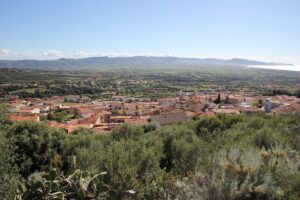
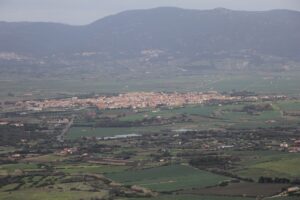
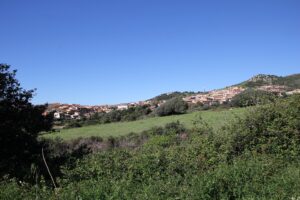
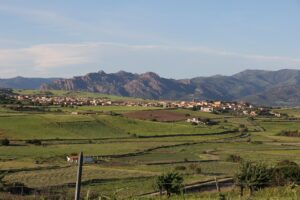
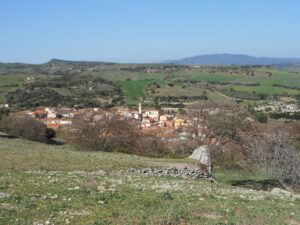
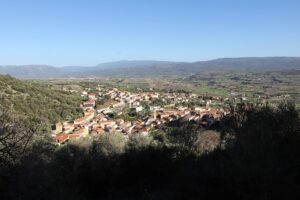
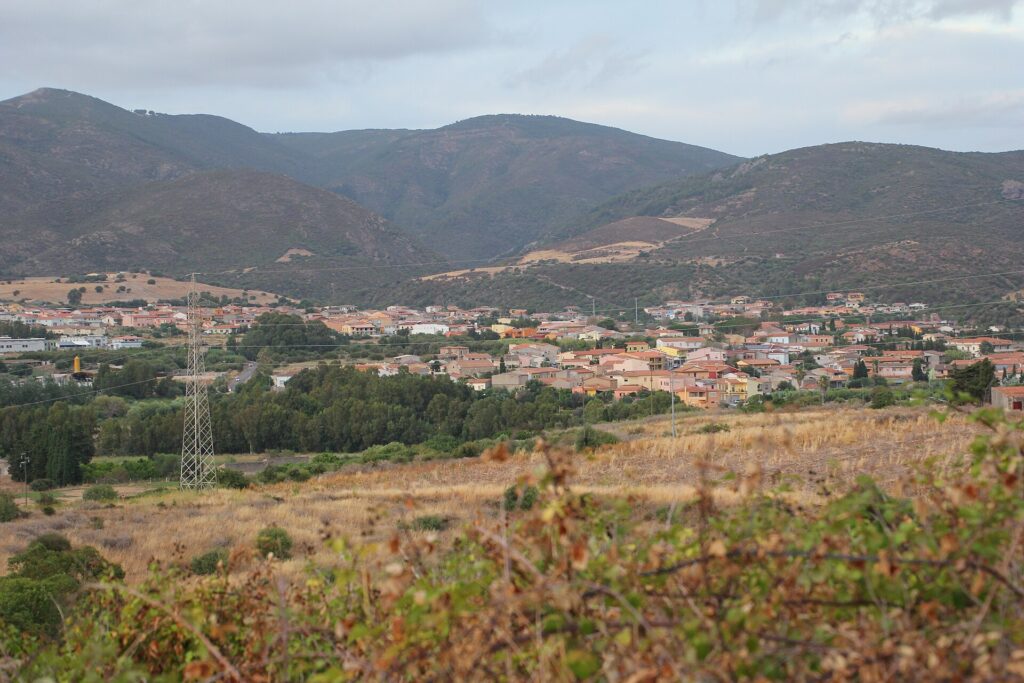
Viddalba (Viddaèccja in Gallurese) is a village of around 1,600 people in the lower Coghinas valley, on the far western edge of Gallura in northern Sardinia. It has one of the most interesting archaeological museums in the province of Sassari and a landscape of river, hills and red rocks, about ten minutes from the beaches of the Gulf of Asinara. It suits travellers who love ancient history, outdoor activities and quiet holidays near the sea.
What to see in Viddalba
Civic Archaeological Museum
The museum gathers finds from across the lower Coghinas valley: Neolithic pottery and stone tools, glassware, jewellery and Punic, Roman and Renaissance coins. The highlights are the carved stelae and grave goods from the San Leonardo necropolis.
San Leonardo necropolis and village
Near the San Leonardo sanctuary, over the remains of a Nuragic village, a necropolis grew up in Roman imperial times. It has yielded dozens of carved stelae used as markers for cremation graves.
Monte San Giovanni
The hill is crowned by the church of San Giovanni Evangelista, Romanesque in origin and rebuilt in recent times. Around it, a park with panoramic terraces overlooks the bends of the Coghinas.
Other ancient sites
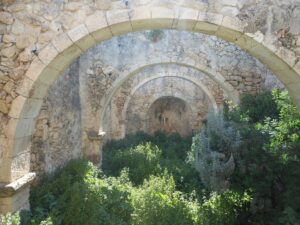
The area also has domus de janas (Neolithic rock-cut tombs), nuraghi and the remains of a Roman bridge.
Things to do in Viddalba
The Coghinas river, lined with pines and eucalyptus, is perfect for kayaking, fishing and birdwatching among herons and coots. Trails in the Monti Ruiu cross rocks of an intense red, while Monte San Gavino offers climbing routes. Country roads between the stazzi, the old Gallurese farmsteads, are ideal for hiking and horse riding. A few minutes away are the Casteldoria hot springs and the sea at Badesi, with wind for sailing, windsurfing and kitesurfing. Discover the experiences offered by local operators below.
History
The plain has been inhabited since the Neolithic, as the rock-cut tombs show, and holds Bronze Age nuraghi and villages. In Roman times roads and bridges crossed the valley, and San Leonardo became the site of a large necropolis. The modern village is tied to the culture of the Gallurese stazzi and grew as the farming centre of the valley.
What to eat and buy
The fertile valley grows spiny artichokes, watermelons, potatoes and tomatoes. On the table you'll find zuppa gallurese, bread and cheese baked in broth, plus meat, cheese and Gallura wines. Local crafts include textiles, wrought iron and carved stone.
Festivals and traditions
On 1 May the feast of San Gavino is held at the chapel on top of the mountain of the same name. Through the year, festivals feature Gallurese costumes, songs and dances.
Nearby
- Santa Maria Coghinas and the Casteldoria hot springs, minutes away.
- Badesi, with long beaches on the Gulf of Asinara.
- Valledoria and the mouth of the Coghinas.
- Castelsardo, a medieval town by the sea.
- Trinità d'Agultu and Isola Rossa, further east along the coast.
Getting there and when to go
The handiest airport is Olbia, about an hour's drive; Alghero is about an hour and a quarter. The nearest port is Porto Torres, about 50 minutes away. Spring and autumn are ideal for hiking, climbing and birdwatching; in summer Viddalba is a quiet base for the beaches of Badesi and Valledoria.
FAQ
How far is the sea from Viddalba?
The beaches of Badesi and Valledoria are about 10–15 minutes by car.
What can kids do in Viddalba?
The archaeological museum, the Monte San Giovanni park and a kayak trip on the river suit the whole family.
How long do I need for Viddalba?
Half a day for the museum and Monte San Giovanni; a full day if you add the hot springs or a river trip.