Things to do in Alghero
Things to do in Alghero, Sardinia: old town and ramparts, Capo Caccia, Neptune's Grotto, Palmavera nuraghe, Porto Conte beaches, Catalan food, festivals.
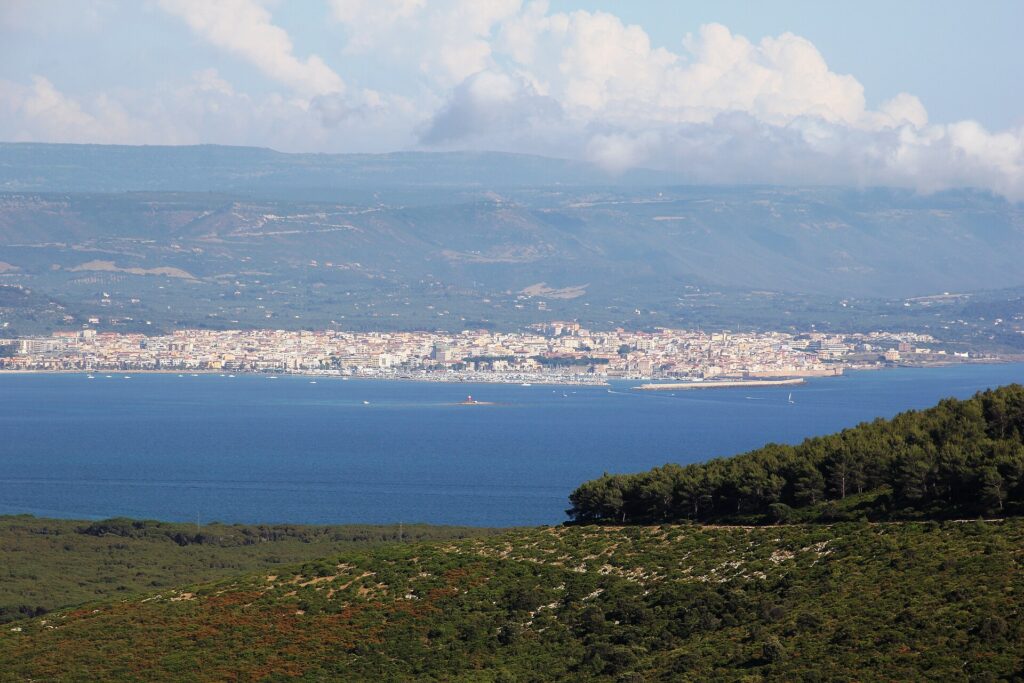
Alghero is the most Catalan town in Italy: it sits on Sardinia's north-west coast, along the Coral Riviera, a few minutes from Fertilia airport. Its old town enclosed by sea ramparts, its towers, Catalan Gothic churches and the language still heard in the streets make it unique on the island. Around it, the Capo Caccia headland, Neptune's Grotto, the Gulf of Porto Conte and dozens of beaches offer sea and nature for every taste. It's perfect for couples, families, history lovers and anyone looking for an easy base to explore the north-west all year round.
What to see in Alghero
The old town and the ramparts
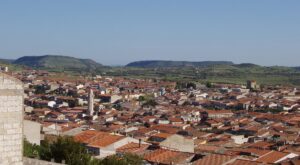
The heart of Alghero is a web of paved streets, little squares and pale stone buildings, enclosed by walls the Catalan-Aragonese strengthened in the 16th century. Strolling along the ramparts at sunset, as the sun sinks behind Capo Caccia, is a ritual for locals and visitors alike. Along the walls stand the towers: the Torre di Porta Terra, the old town gate, the Torre di Sulis, the Torre di San Giovanni and, by the harbour, the Torre di San Giacomo, linked to coral.
The churches
The 16th-century Cathedral of Santa Maria blends Catalan Gothic and Renaissance features, with a slender bell tower rising above the rooftops. The 14th-century church of San Francesco has an intimate, peaceful cloister, one of the finest in Sardinia. The church of San Michele is easy to spot thanks to its dome of colourful majolica tiles, a symbol of the skyline.
Archaeological sites
The Palmavera Nuragic complex, near the Capo Caccia road, has a nuraghe and a village of huts with a "meeting hut". The Anghelu Ruju necropolis, to the north, is one of Sardinia's largest, with dozens of domus de janas ("fairy houses", rock-cut tombs from the pre-Nuragic age).
Capo Caccia and Neptune's Grotto
The limestone headland of Capo Caccia plunges into the sea in tall, dramatic cliffs; seen from Alghero, its profile looks like a sleeping giant. At its base opens Neptune's Grotto, with stalactites, stalagmites and an inner saltwater lake: reach it by boat from Alghero harbour or by walking down the Escala del Cabirol ("roe deer's stairway"), 656 steps cut into the cliff face.
Porto Conte and Fertilia
The wide, sheltered Gulf of Porto Conte is the heart of the regional nature park of the same name, with the Le Prigionette forest, where white donkeys, small horses and fallow deer roam free, and the Punta Giglio headland. On the way you pass Fertilia, a village built in the 1930s facing the sea and the Calich lagoon, next to the remains of a Roman bridge.
Things to do in Alghero
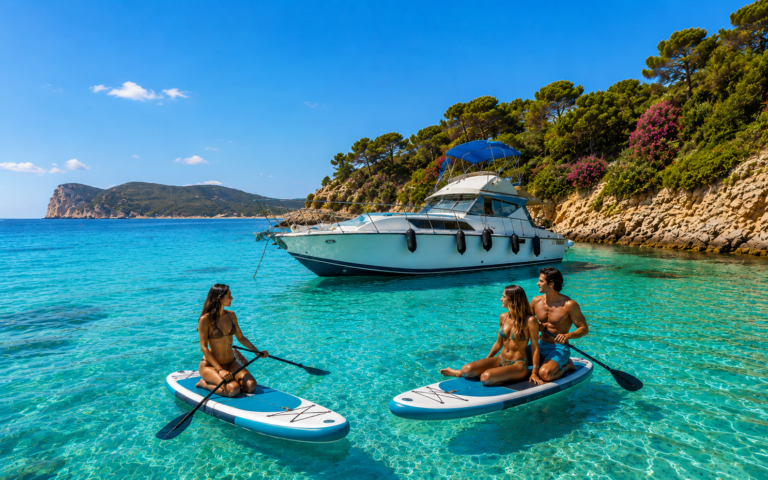
Alghero is one of Sardinia's most complete destinations for outdoor lovers. The sea takes centre stage: boat trips to Capo Caccia and Neptune's Grotto leave from the harbour, along with coastal cruises with swimming stops and sunset sailing trips. The Capo Caccia–Isola Piana Marine Protected Area is a paradise for diving, with underwater caves, walls covered in red coral and some of the Mediterranean's best-known dive sites.
- Snorkelling and kayaking in the coves of Porto Conte and along the cliffs.
- Hiking in Porto Conte Park: trails at Punta Giglio, in the Le Prigionette forest and up Monte Timidone, with views over the whole coast.
- Cycling and e-biking on the seafront path between Alghero and Fertilia or the scenic roads towards Capo Caccia.
- Winery visits: the hills around town are covered in vineyards, with Vermentino and Cannonau tastings.
The experiences offered by Alghero's local operators, from boat trips to dives and hikes, are waiting for you below: choose yours and book your day.
Beaches in Alghero
Town beaches
Steps from the centre stretches the Lido di San Giovanni, with pale sand and shallow water, very convenient and well equipped. Further north, Maria Pia beach has dunes and a pine wood behind it for natural shade: ideal for families.
Towards Fertilia and Porto Conte
- Le Bombarde: fine sand and clear water, popular with young people and families.
- Il Lazzaretto: a series of coves among the rocks, turquoise water and perfect snorkelling.
- Mugoni: a long beach in the Gulf of Porto Conte, with calm, shallow water, great for children and water sports.
North and south
To the north, Porticciolo is a small sandy bay guarded by an Aragonese tower. To the south, on the coast road to Bosa, lies the wilder Speranza beach, the start of one of Sardinia's most beautiful coastal drives.
History
The area was inhabited as early as the Neolithic, as shown by the domus de janas of Anghelu Ruju, and in the Nuragic age it was dotted with dozens of nuraghi. The town itself was founded in the Middle Ages by the Genoese Doria family. In 1354, after a long siege, it passed to Peter IV of Aragon: much of the local population was expelled and replaced by Catalan settlers, who brought their language, architecture and traditions. In 1501 Alghero became a royal city. Today Algherese, a variety of Catalan, is recognised as a minority language and appears on street signs.
What to eat and buy
The cuisine blends Sardinia and Catalonia. The signature dish is lobster Alghero-style, served with raw tomato and onion; also try spaghetti with sea urchins, bottarga, Alghero-style paella, snails called monzette and, for dessert, crema catalana and menjar blanc (blancmange). The countryside produces excellent wines, including Vermentino and the reds of the Alghero DOC, plus olive oil. The classic souvenir is a piece of red coral jewellery, the town's emblem, even on its coat of arms: choose artisan workshops that use certified coral.
Festivals and traditions
- Sagra del bogamarí, between January and February: sea urchins (bogamarí in Algherese) take centre stage at tastings around town.
- Setmana Santa: Holy Week is the most heartfelt religious celebration, with Spanish-origin rites, candlelit processions and the Desclavament, the taking down of Christ from the cross, on Good Friday.
- San Giovanni Fair, in late June, linked to midsummer bonfires.
- Nostra Signora della Mercede, in the first week of August, with a procession at sea.
- Cap d'Any: New Year's Eve in Alghero is famous across the island, with concerts in the squares and fireworks over the sea.
Nearby
- Bosa (about 50 minutes): along the scenic coast road, the colourful town on the Temo river.
- Stintino and La Pelosa (about 1 hour): one of Italy's most famous beaches and trips to Asinara.
- Sassari (about 40 minutes): old town, Sanna museum and, in May, the Cavalcata Sarda parade.
Getting there and when to go
Alghero-Fertilia airport is about 12 km from the centre, some twenty minutes by car, with flights to many Italian and European cities. The nearest passenger port is Porto Torres, about 40 minutes away, with ferries to Genoa, Barcelona and other destinations; Olbia is about 1 hour 45 minutes away. From Sassari a dual carriageway takes about 40 minutes. The best time is April to October: May, June and September combine warm sea with fewer crowds; July and August are the liveliest.
Frequently asked questions
How many days do you need in Alghero?
At least three: one for the old town and ramparts, one for Capo Caccia and Neptune's Grotto, one for the beaches and Porto Conte. With a week add Bosa, Stintino and the archaeological sites.
Is Alghero good for families?
Yes: beaches such as the Lido, Maria Pia and Mugoni have shallow water and facilities, the old town is pedestrian, and children love the boat trip to Neptune's Grotto and the Le Prigionette forest.
How do you visit Neptune's Grotto?
By boat from Alghero harbour or from land, down the 656 steps of the Escala del Cabirol. In rough seas the cave may close, so check before you set off.