Things to do in Valledoria
Things to do in Valledoria, Sardinia: San Pietro a Mare and La Ciaccia beaches, kitesurfing, the Coghinas river mouth and Castelsardo nearby.
We are gathering the first experiences for this area. Check back soon, or tell us about an operator you know.
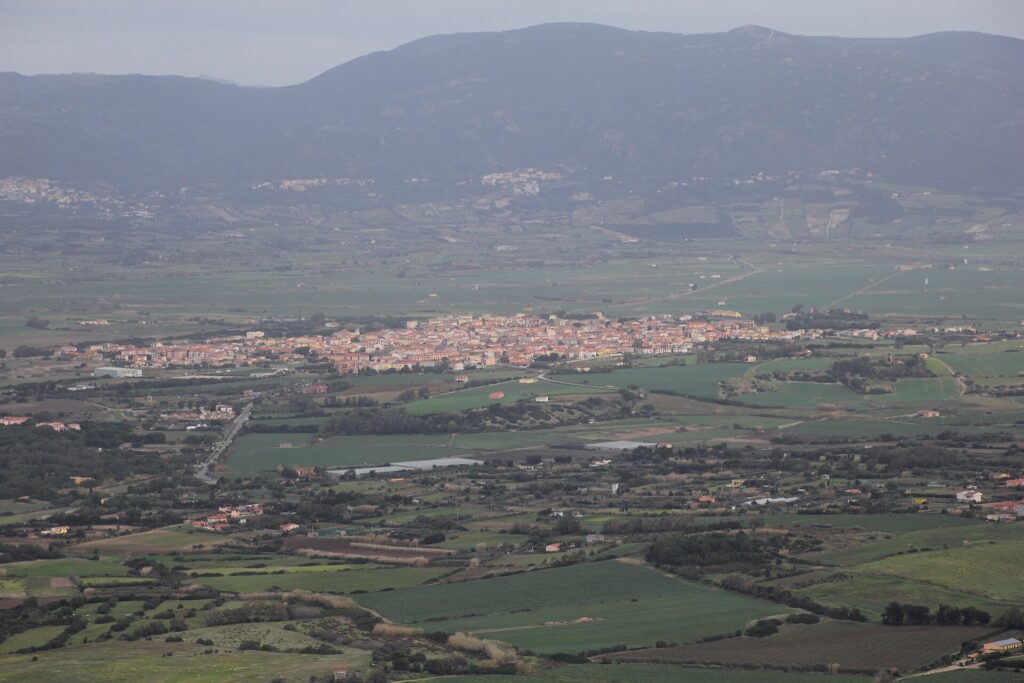
Valledoria is a municipality in the Anglona, northern Sardinia, on the Gulf of Asinara right where the Coghinas, the island's third-longest river, meets the sea. It is made up of small settlements scattered among artichoke fields, pine woods and about 7 km of golden sandy beach, one of the favourite spots for windsurfing, kitesurfing and surfing. It suits families looking for space and quiet, wind-sports fans and anyone wanting to explore the north of the island, from Castelsardo to Isola Rossa.
What to see in Valledoria
The Coghinas river mouth
Before reaching the sea, the Coghinas forms a wetland of over 50 hectares, with reed beds and brackish water. It is a perfect place to watch herons and ducks, paddle a kayak on calm water or simply stroll at sunset, with dunes and beach just a few steps away.
Traces of ancient Ampurias
The village's traditional name, Codaruina, recalls the ruins of the ancient town of Ampurias, a bishop's seat in the Middle Ages. Digs at Zilvara and Santa Maria Maddalena have uncovered traces of a harbour system at the river mouth, and the small local archaeological museum displays, among other things, stelae from a Roman necropolis.
The hamlets
The municipality is spread over several settlements: Valledoria itself, Codaruina, La Muddizza with the church of Nostra Signora di Fatima, and the coastal areas of San Pietro a Mare and La Ciaccia, which come alive mainly in summer.
Things to do in Valledoria
Valledoria is all about sea, wind and nature:
- Kitesurfing and windsurfing: San Pietro beach is perfect for jumps and speed in north-easterly winds; the Coghinas mouth offers flat water, ideal for learning.
- Surfing: La Ciaccia is a well-known wave spot when the mistral blows.
- Sailing: from the river mouth you can sail to Castelsardo and Isola Rossa. The mild climate and frequent wind suit beginners and experts alike.
- Kayak and SUP on the river and along the coast.
- Horse riding and hiking through pine woods, dunes and farmland.
- Snorkelling and sport fishing on calm days.
Below you will find the activities offered by local operators, from kite lessons to kayak outings: choose yours and book.
Beaches in Valledoria
- San Pietro a Mare: a long beach of pale sand and blue sea, backed by pine woods. Wide and easy for families, breezy and therefore loved by windsurfers and kiters.
- La Ciaccia: the stretch most exposed to waves, a meeting point for surfers; on calm days it is lovely for a swim too.
- Maragnani: a cosier area where the sand is broken by a few rocks.
- Towards Badesi: heading west you find beaches backed by green dunes, such as the Baia delle Mimose.
When the mistral is strong the sea can be challenging: check conditions before swimming.
History
The plain at the mouth of the Coghinas was an important landing place in antiquity, as Roman remains show. In the Middle Ages the town of Ampurias stood here, one of the first bishoprics of northern Sardinia, later moved to Castelsardo in the early 16th century. In the second half of the 13th century the area passed to the Doria, the Genoese family that gives the municipality its name today; under the Aragonese it became a fief of the Centelles. Wars and plagues emptied the area, which revived only from the late 18th century through farming. Valledoria became an independent municipality in the early 1960s.
Food and local products
The local symbol is the artichoke, grown on the fertile Coghinas plain and the star of many dishes, from pasta sauces to omelettes. Cooking blends land and sea: fish, including sea bass and grey mullet from the brackish waters, plus vegetables and cheeses from the Anglona countryside. The village also has a craft tradition in gold and coral work.
Festivals and traditions
In spring, usually in April, the artichoke is celebrated with dedicated events and tastings. In summer the hamlets come alive with religious feasts and open-air events. In nearby Castelsardo you can attend the moving Holy Week rites, among the most heartfelt in northern Sardinia.
Nearby
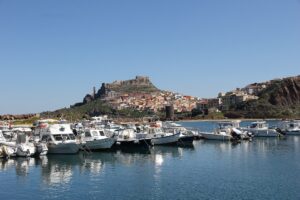
- Castelsardo (about 15 minutes): the medieval village with the Doria castle and the Mediterranean Weaving Museum.
- Elephant Rock (about 10 minutes): a curious elephant-shaped rock on the road to Castelsardo.
- Santa Maria Coghinas (about 15 minutes): the Casteldoria hot springs and the ruined Doria castle above the river.
- Sedini (about 15 minutes): the domus de janas of La Rocca, a prehistoric tomb turned into a house in the village centre.
- Isola Rossa (about 30 minutes): a fishing village with beaches and red granite cliffs.
Getting there and when to go
The nearest airports are Olbia and Alghero, both about an hour and a quarter by car. The port of Porto Torres is about 50 minutes away. The coast road links Valledoria with Castelsardo and Sassari on one side and Badesi and Isola Rossa on the other. The best beach season is June to September; spring and autumn are perfect for wind sports, as the wind blows regularly, and for avoiding the crowds.
Frequently asked questions
Is Valledoria good for families?
Yes: the beaches are wide and sandy, with pine woods for shade. On very windy days choose the more sheltered stretches or the river-mouth area.
Is Valledoria a good place to learn kitesurfing?
Yes: the flat water at the Coghinas mouth is ideal for beginners, while San Pietro and La Ciaccia offer tougher conditions for experienced riders.
How many days do you need in Valledoria?
For beach and sport, stay a few days; with a couple more you can visit Castelsardo, the Casteldoria springs and Isola Rossa.