Things to do in Loceri
Things to do in Loceri, Sardinia: the Sa Domu 'e s'Olia olive museum, country churches, rock-cut tombs, olive oil, Cannonau and beaches 10 km away.
We are gathering the first experiences for this area. Check back soon, or tell us about an operator you know.
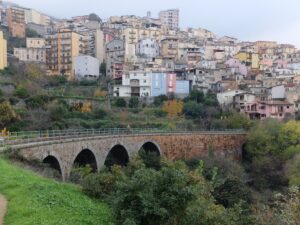
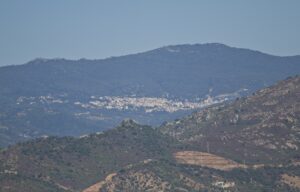
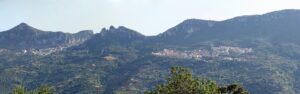
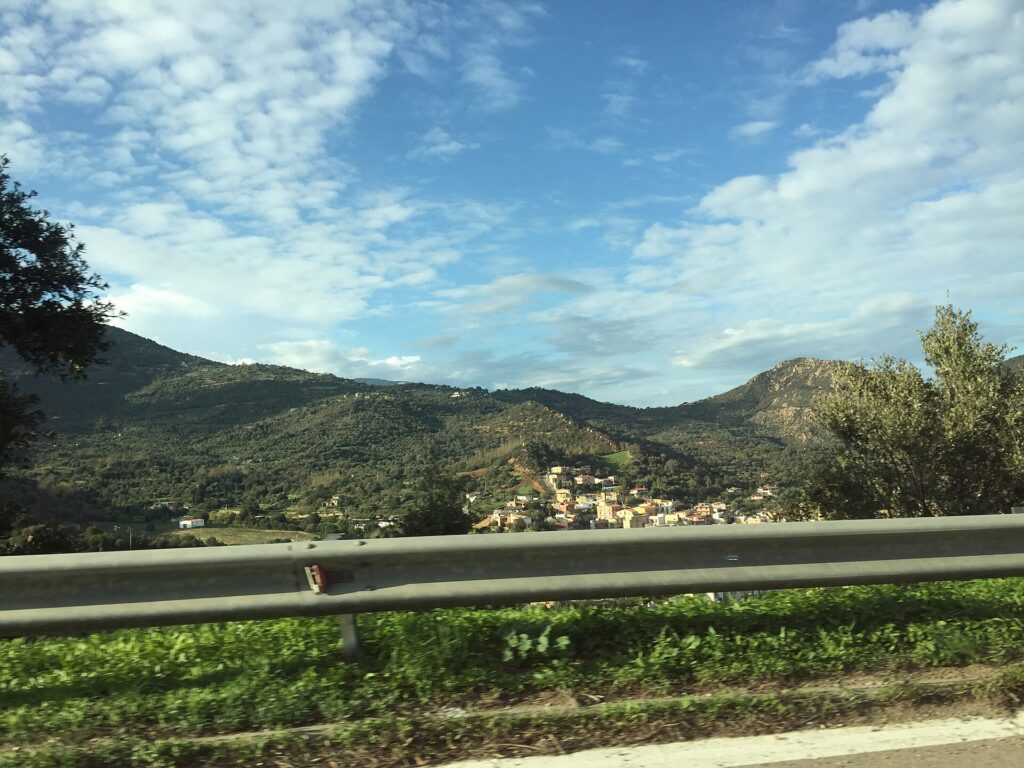
Loceri is a small Ogliastra village at around 200 metres, set among green hills of vineyards and olive groves below Mount Cuccui and Mount Tarè. It is about 10 km from the east-coast beaches and less than 20 km from the Gennargentu, a quiet base for combining sea and mountains. It suits you if you like a slow pace, honest food and farming traditions, especially olive oil.
What to see in Loceri
Sa Domu 'e s'Olia and the old olive mills
In the heart of the village, a 1910 olive mill houses Sa Domu 'e s'Olia (“the olive's house”), an ethnographic museum with original tools, costumes and traditional games. A second restored mill hosts exhibitions and cultural events.
Churches
- San Pietro Apostolo: the 18th-century neoclassical parish church next to the museums.
- San Bachisio: a 17th-century country church in folk Baroque style.
- Sacro Cuore: a small rural church in a park, on the road to Lanusei.
Murals and archaeology
Several houses in the centre are painted with murals. The countryside holds many nuraghi (Bronze Age stone towers) and the domus de janas (rock-cut tombs) of Serra Paulis, showing people lived here in the Neolithic.
Things to do in Loceri
The experience here is the countryside: walks and bike rides among ancient olive trees and vines, tastings of extra virgin olive oil and Cannonau wine, and visits to archaeological sites. In about half an hour you reach the beaches of Tortolì and Bari Sardo, or the mountains towards Lake Flumendosa. To explore the area with a local guide, check the experiences offered by local operators just below.
History
The area has been inhabited since the late 4th millennium BC and is rich in Nuragic and Roman remains. In the Middle Ages Loceri belonged to the Giudicato of Cagliari; it then passed to the Gallura judges, to Pisa and, from 1324, to the Aragonese. From 1363 it was part of the County of Quirra, and it was freed from feudal rule in 1839. In the 1800s people lived on farming, vineyards, orchards, weaving and herding.
What to eat and buy
Loceri is a land of extra virgin olive oil and Cannonau. Try potato and cheese culurgionis, roast lamb and suckling pig, pecorino and casu axedu (tangy fresh cheese), the breads pistoccu, civargiu and decorated pani pintau, and sweets such as amaretti, paniscedda and pardulas. Finish with myrtle liqueur or fil'e ferru, Sardinian grappa.
Festivals and traditions
- San Bachisio, May and October: the procession carries the saint's statue across the river to the sound of launeddas, an ancient triple-reed pipe.
- San Pietro, late June: the patron saint's feast.
Nearby
- Lanusei: the Seleni woods and archaeological park.
- Ilbono: the Scerì archaeological park.
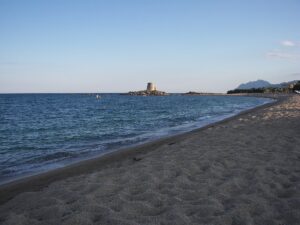
- Bari Sardo: Cea beach and the coastal tower.
- Tortolì-Arbatax: the red rocks and the port.
Getting there and when to go
Loceri lies on the SS390, linking it to Lanusei and Bari Sardo and on to the SS125 Orientale Sarda. Arbatax port and Tortolì airport are about 20 minutes away; Cagliari about two hours. Spring and autumn are ideal for nature walks, and autumn is olive harvest time. In summer the sea is close by.
FAQ
Does Loceri have a beach?
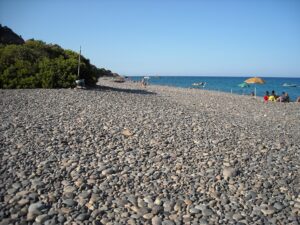
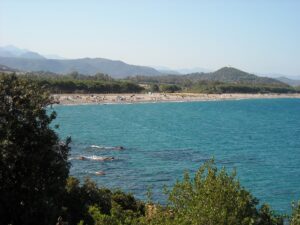
No, but Cea and Tortolì beaches are about 10 km away.
How long do you need?
Half a day for the museum, churches and centre; longer to explore the countryside.
Is it a good holiday base?
Yes, it is quiet and well placed between the coast and the Gennargentu.