Things to do in Perdasdefogu
Perdasdefogu, Ogliastra: the village of longevity, Sa Brecca de is Tapparas canyon, Luesu waterfalls, caves, hiking and festivals.
We are gathering the first experiences for this area. Check back soon, or tell us about an operator you know.
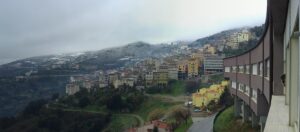
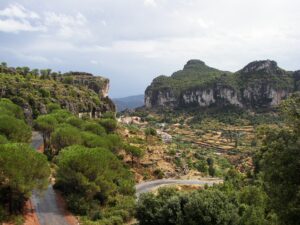
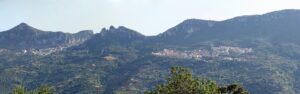
Perdasdefogu (Foghesu in Sardinian) is a village of around 1,700 people at about 600 metres, in southern Ogliastra, surrounded by wild limestone plateaus, holm oaks and canyons. It has become famous as one of the most long-lived villages in the world, in the heart of one of the planet's "blue zones". It is the place for you if you love hiking, waterfalls, caves and the authentic Sardinian interior.
What to see in Perdasdefogu
Sa Brecca de is Tapparas
This spectacular rock fissure hosts a trail of about 300 metres between walls some 40 metres high, where light filters through trees and stone. It gives its name to the village's environmental education centre, which has an exhibition on wildlife, minerals and fossils.
Luesu waterfalls
Set among oak trees, they include the Su Strumpu drop, about 70 metres high: one of the most striking spots in the area, best seen after rain.
Bruncu Santoru park and caves
The park has holm oak woods and Mediterranean scrub, home to the Sardinian deer. The area also holds the Is Angurtidorgius caves.
Churches and nuraghi
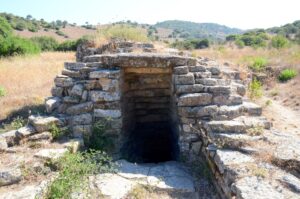
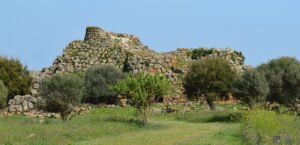
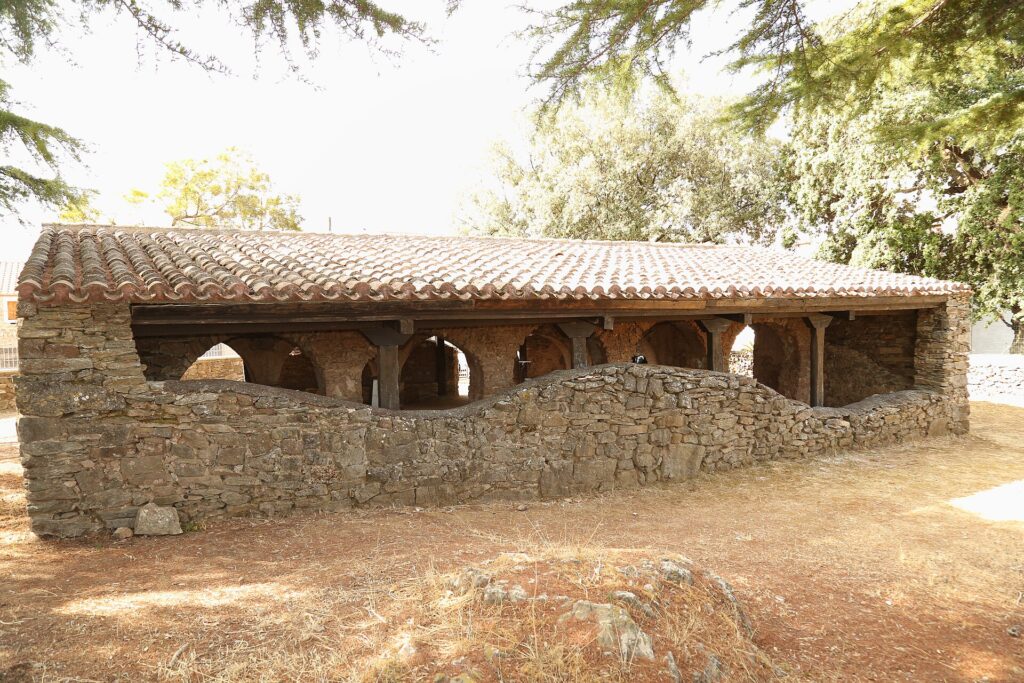
In the village are the late 19th-century parish church of San Pietro Apostolo and the church of San Sebastiano in the upper town, with early Romanesque forms; out in the country stand Santa Barbara and San Salvatore. The area keeps several nuraghi and giants' tombs.
Things to do in Perdasdefogu
Hiking is king here: trails through canyons, waterfalls and woods lead to views of the Salto di Quirra and the tacchi, the limestone towers typical of Ogliastra. Caves can be explored with expert caving guides, and mountain roads attract mountain bikers. The old anthracite mine, worked until the mid-20th century, is part of Sardinia's Geomining Park. Discover the experiences offered by local operators below and choose your excursion.
History
The name means "fire stones", recalling the limestone burnt in kilns to make lime. The area was inhabited in pre-Nuragic and Nuragic times. In the Middle Ages it belonged to the Judicate of Cagliari; under the Aragonese it joined the County (later Marquisate) of Quirra until feudalism ended in 1839. Since the mid-20th century the area has hosted the Salto di Quirra joint forces test range.
What to eat and buy
Food is Ogliastra's simple shepherding cuisine, often linked to the locals' longevity: sheep and goat cheese, roast meat, homemade bread, pulses and garden vegetables. The area also produces fruit and wine.
Festivals and traditions
- San Sebastiano on 20 January, with big bonfires.
- Holy Week: villagers prepare su nenniri, a basket of wheat sprouts that decorates the altars, an ancient fertility rite.
- Santa Barbara at the end of May, with a procession in traditional dress.
- San Salvatore, an old and atmospheric country festival.
The village is also known for the Melis family, siblings who entered the Guinness World Records for their record combined age.
Nearby
- Jerzu, the "wine town" of Cannonau, with its tacchi.
- Ulassai, with the Su Marmuri cave and works by Maria Lai.
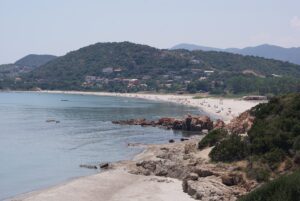
- Tertenia and its coast, for the sea.
- Ussassai and the Montarbu forest.
Getting there and when to go
The handiest airport is Cagliari, about an hour and three quarters by car; the nearest port is Arbatax, about an hour away. Roads are winding mountain routes, so take your time. The closest sea is at Tertenia, about 45 minutes away. Spring and autumn are best for hikes and waterfalls; in summer the altitude keeps it cooler than the coast.
FAQ
Why is Perdasdefogu famous for longevity?
The village has an exceptional number of centenarians and has been named one of the most long-lived in the world.
How many days do I need?
One day for the village and Sa Brecca de is Tapparas; two if you add the Luesu waterfalls and the caves.
Is Perdasdefogu good for families?
Yes, with short trails such as Sa Brecca de is Tapparas; longer hikes suit children used to walking.