Things to do in Sagama
Things to do in Sagama, a tiny Planargia village: the 1604 church of San Gabriele, nuraghe Muristene, the Badde 'e Sagama valley and autumn mushrooms.
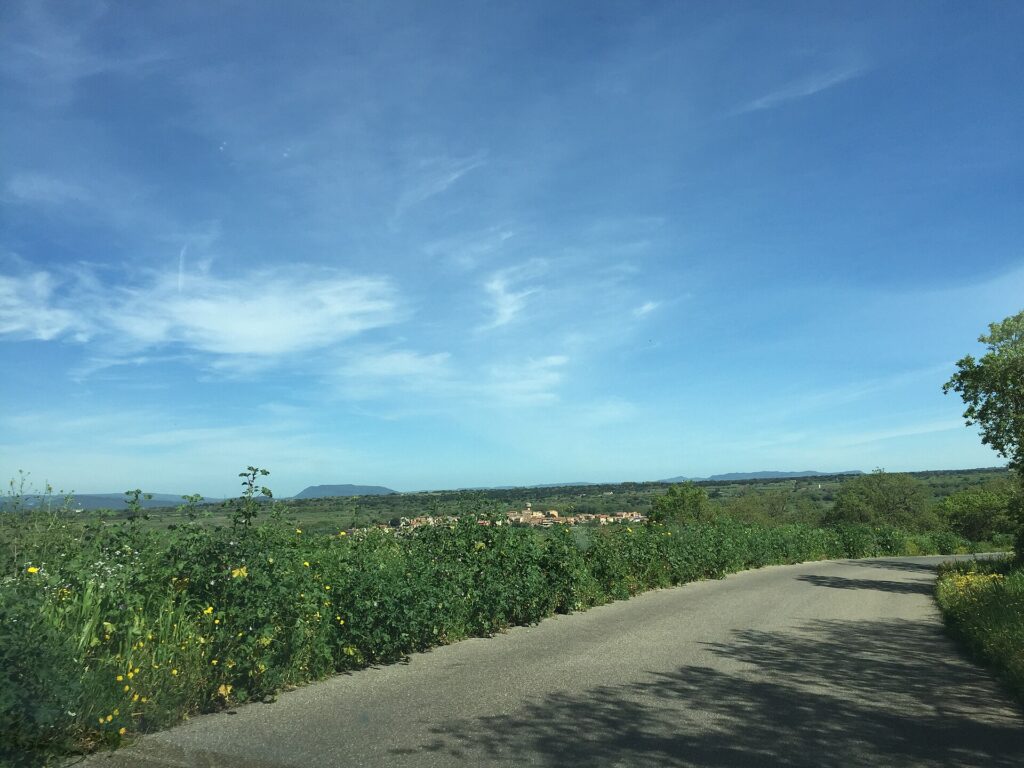
We are gathering the first experiences for this area. Check back soon, or tell us about an operator you know.
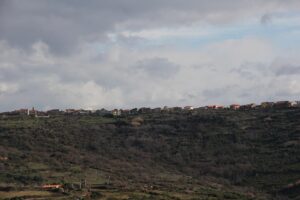
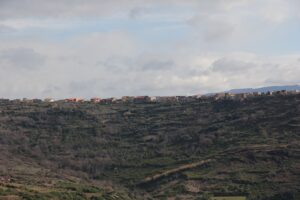
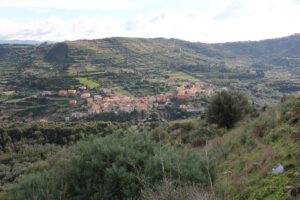
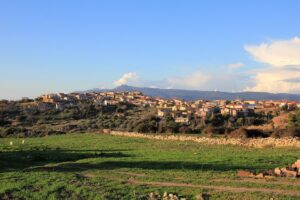
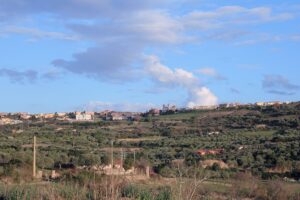
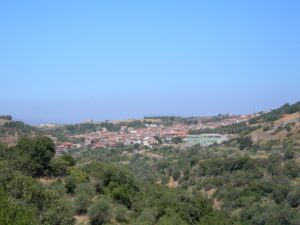
Sagama (Sàgama in Sardinian, its official name since 2010) is one of the smallest villages in the Planargia, with around 200 people, about 12 km from Bosa. It sits on a limestone rise above the Badde 'e Sagama valley, where colourful vegetation stands out against dark basalt rock. With vineyards, woods and springs, it is a peaceful stop if you love tiny villages, nuraghi and country walks.
What to see in Sagama
Church of San Gabriele Arcangelo
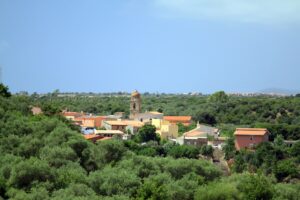
The village's treasure, built in 1604 by craftsmen from Sassari on the model of San Giacomo in Sassari, has a three-tier façade and a bell tower topped by a small onion dome. Inside are a wooden statue of the saint, 18th-century paintings, a 17th-century pulpit and wooden altars.
Other churches
The village also has the church of Santa Croce, on the square where the Sant'Antonio bonfires are lit, and the church of the Vergine del Carmelo. In the countryside stands the church of San Michele.
Nuraghi and archaeological sites
Nuraghi (Bronze Age stone towers) ring the valley: Muristene, inside the village by the church, is the core from which the settlement grew; in the valley are Funtanedda, with a polygonal plan, and Molineddu, next to a proto-nuraghe. The area also has giants' tombs, an allée couverte (a pre-Nuragic gallery tomb) on the border with Tinnura and the Sa Pedra Marmurada menhir.
Things to do in Sagama
- Walks in the Badde 'e Sagama valley, among woods, vineyards and springs.
- Mushroom foraging in autumn, a much-loved local pastime.
- Routes among the nuraghi surrounding the valley.
To discover the Planargia with a guide or a tailor-made experience, take a look at what local operators offer just below.
History
Settled since prehistory and above all in the Nuragic age, the site was also used in Punic and Roman times, as wall remains, burials and coins show. In the Middle Ages it belonged to the Planargia district of the Giudicato (medieval Sardinian kingdom) of Torres; in 1388 its representatives signed, in Magomadas, the peace between Eleonora of Arborea and the King of Aragon. After centuries under feudal lords, it has been an independent municipality since 1946.
Food and shopping
Sagama is a farming and herding village: cheeses, meat and wine from local vineyards form the basis of the table. In autumn, wild mushrooms take centre stage. Nearby Planargia villages produce Malvasia di Bosa wine.
Festivals and traditions
- Sant'Antonio abate bonfires, in mid-January, in the Santa Croce square.
- San Gabriele Arcangelo, the patron, on 24 March, with a second feast in late October.
- Vergine del Carmelo, in mid-July.
Nearby
- Bosa, about 12 km away, with Malaspina castle and the Temo river.
- Tinnura, the village of murals.
- Flussio and its asphodel baskets.
- Porto Alabe, the nearest beach, in Tresnuraghes.
Getting there and when to go
Sagama is reached from Bosa or Macomer; Alghero-Fertilia airport is about an hour's drive away, Cagliari-Elmas about two hours. Spring and autumn are best for walking and mushroom hunting; in summer the sea is less than half an hour away.
FAQ
How long do you need for Sagama?
A couple of hours for the church and nuraghe Muristene; combine it with Tinnura, Flussio and Bosa for a full day.
Is Sagama by the sea?
No, it is inland; the Planargia coast is less than half an hour's drive away.