Things to do in Montresta
Things to do in Montresta near Bosa, Sardinia's Greek-founded village: Sa Turre Punic fort, cork-oak woods, woven baskets, festivals and tips.
We are gathering the first experiences for this area. Check back soon, or tell us about an operator you know.
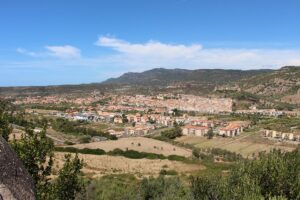
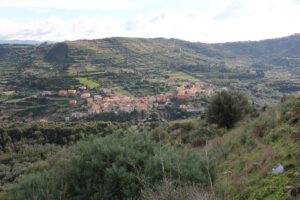
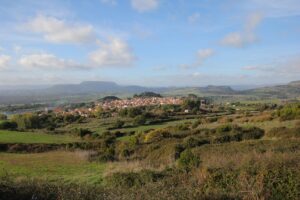
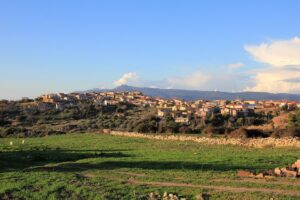
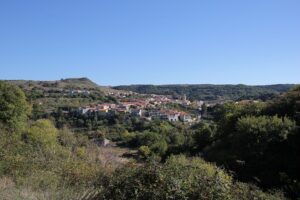
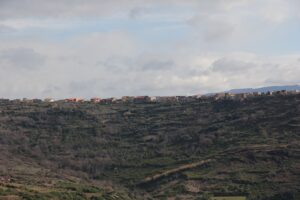
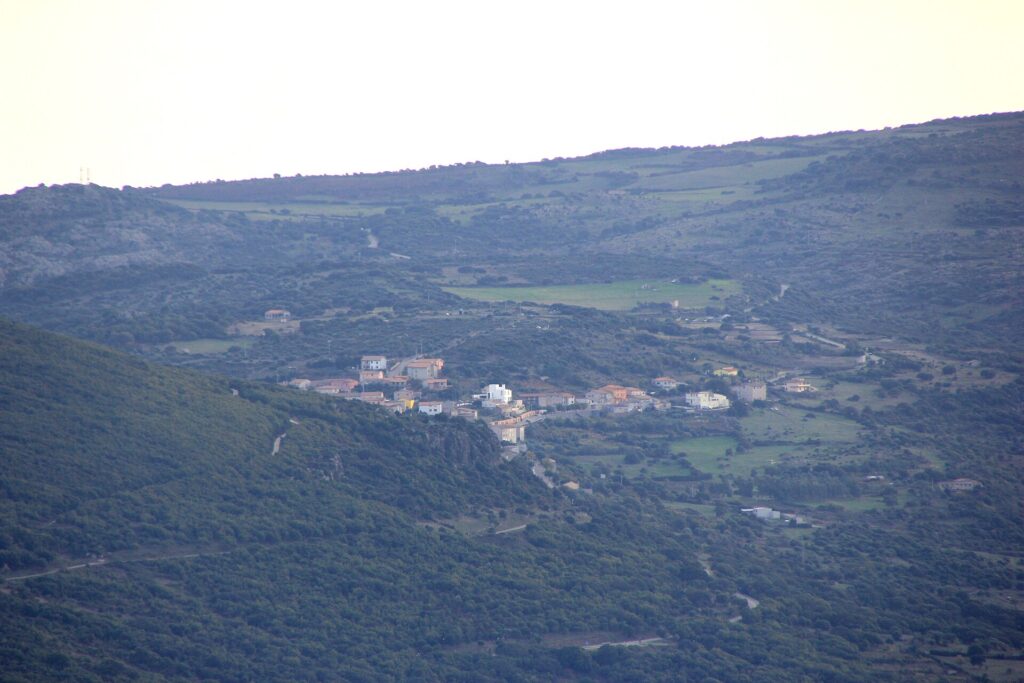
Montresta is a small village in Planargia, in the province of Oristano, about 15 km north of Bosa, among trachyte peaks, Mediterranean scrub and centuries-old cork-oak woods. It has a history unique in Sardinia: in the mid-18th century it was resettled by Greek colonists who came from Corsica. Home to just over 400 people, it's the right choice if you want unspoilt nature, woodland trails and a little-known chapter of Mediterranean history.
What to see in Montresta
Church of San Cristoforo martire
Built in the early 17th century, it gave its name to the village founded in the 18th century, San Cristoforo di Montresta. It's the heart of the village's main feast.
Church of Sacro Cuore
Built in the 1960s over the remains of a medieval building.
Sa Turre
The most important archaeological site: a square Carthaginian-era fortress, also known as nuraghe Turre, considered the only Punic settlement in Planargia. The area also has rock-cut tombs and nuraghi, including Badu de sa rughe.
Silva Manna and s'Aspru woods
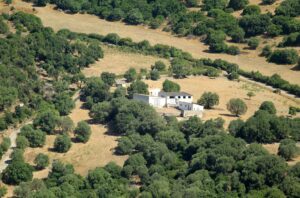
At the foot of Monte Navrino spread ancient cork-oak woods such as Silva Manna and the s'Aspru wood: the wildest face of Planargia.
Things to do in Montresta
Montresta is perfect for hiking and mountain biking among cork woods, scrub and trachyte spires, far from the crowds. In the village you can see the weaving of rush and asphodel baskets, its most distinctive craft. And in about 20 minutes by car you're down in Bosa for a beach day or a trip on the Temo river. Discover the experiences offered by local operators just below.
History
The area was inhabited in prehistory; in the Middle Ages the site was called Suttamonte. Its modern story begins with the Maniot Greeks from the Mani peninsula in the Peloponnese: fleeing the Turks in 1669, they settled in Corsica under the Republic of Genoa. In 1746 around fifty Greek families moved on to Sardinia, and King Charles Emmanuel III granted them land in Planargia, behind Bosa, where from 1751 they founded San Cristoforo di Montresta. Relations with Bosa, which claimed the land, were difficult and many settlers left, but local tradition says a Greek echo lives on in the architecture and the weaving. Since 2003 the village has been in the province of Oristano.
Food and what to buy
The local bread is su bistoccu, served with mutton at the summer festival. To take home: a hand-woven basket in rush or asphodel.
Festivals and traditions
- San Cristoforo: late April, with a procession, tastings and folk shows.
- Sacro Cuore and mutton festival: mid-August at su Casteddu, on the edge of the s'Aspru wood.
Nearby
- Bosa, with its Malaspina castle, the Sa Costa quarter and the sea, about 20 minutes away.
- The Bosa–Alghero coast, with the cliffs of Capo Marargiu, home of the griffon vultures.
- Villanova Monteleone, in the Logudoro.
- Suni and Tinnura, for nuraghi and murals.
Getting there and when to go
Montresta is reached by heading north uphill from Bosa; Alghero is about 40 km away. Alghero-Fertilia airport is under an hour's drive, Cagliari-Elmas about two and a half hours. Spring and autumn are ideal for the woods; April brings San Cristoforo, August the mutton festival.
FAQ
Why does Montresta have Greek origins?
Because in the mid-18th century the King of Sardinia settled Maniot Greek families there, who had come from Corsica.
Is Montresta by the sea?
No, it's inland, but the sea at Bosa is about 20 minutes by car.
How long do I need to visit?
An hour for the village; half a day with a woodland hike.