Things to do in Tinnura
Things to do in Tinnura, Sardinia: the mural village near Bosa, asphodel baskets, a giant's tomb, Malvasia wine, festivals and travel tips.
We are gathering the first experiences for this area. Check back soon, or tell us about an operator you know.
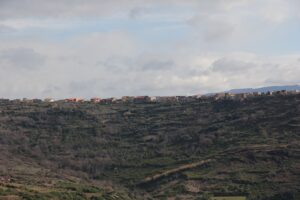
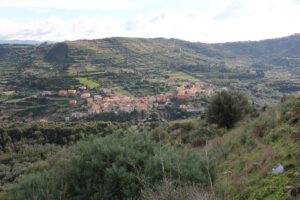
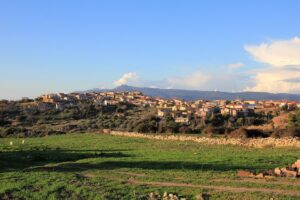
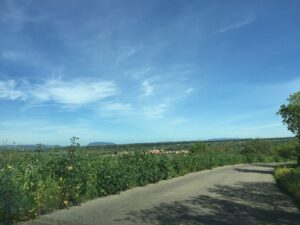
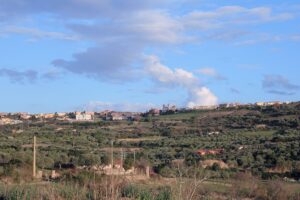
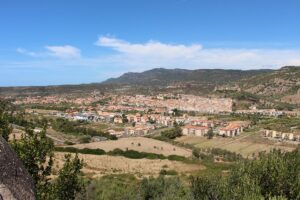
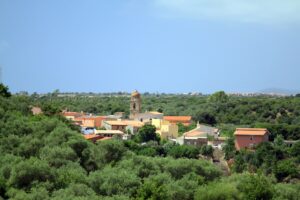
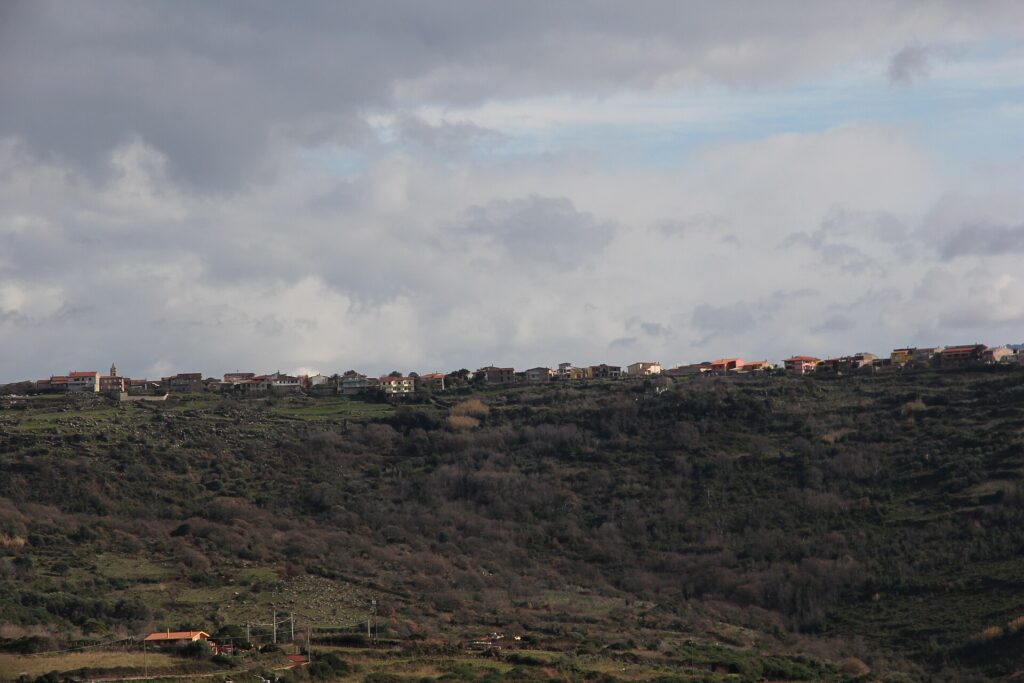
Tinnura is a tiny village in Planargia, in the province of Oristano, set on a basalt plateau overlooking the fertile Modolo valley, just a few kilometres from Bosa. Home to about 250 people, it merges seamlessly with neighbouring Flussio along the SS292 road. Its streets are an open-air gallery: murals, sculptures and fountains tell the story of rural life and of the local basket-weaving tradition. It's a perfect stop if you love village art, archaeology and Malvasia wine.
What to see in Tinnura
Murals and sculptures
The village is known for the murals painted on house fronts, showing scenes of country and village life. In the streets and squares you'll find statues and works by Sardinian artists, including Pinuccio Sciola and Simplicio Derosas, and the striking Zodiac Fountain. The paving mixes red trachyte, white marble and grey basalt.
Sant'Anna church and Funtana 'e giosso
The parish church of Sant'Anna dates from the 17th century and has a brick bell tower. Nearby is Funtana 'e giosso (the lower fountain), with a lintelled entrance and plastered dome, where asphodel was once soaked before weaving.
Su Crastu Covocadu giants' tomb and Tres Bias nuraghe
The area holds menhirs, proof of very early settlement, the Tres Bias (or Trobia) nuraghe, a complex Bronze Age structure, and the giants' tomb of Su Crastu Covocadu, one of the largest in Sardinia.
Things to do in Tinnura
Stroll among the murals and sculptures, then carry on into Flussio, which shares Tinnura's tradition of baskets woven from asphodel, reed and willow: in spring the fibres are left to dry in the sun, the best time to see this craft up close. The plateau is great for short walks or bike rides between vineyards and olive groves, archaeological visits and Malvasia tastings. In summer you can ride the Trenino Verde, the scenic tourist train on the Macomer–Bosa line, which stops at Tinnura station. Browse the experiences offered by local operators just below and book yours.
History
The area was inhabited in pre-Nuragic, Nuragic and Roman times. In the Middle Ages it belonged to the Giudicato (medieval Sardinian kingdom) of Torres, then after 1259 to the Malaspina family and from 1308 to the Giudicato of Arborea. Around 1420 it became an Aragonese fief, and in the 18th century, under the Savoy, part of the Marquisate of Planargia; it bought its freedom from feudal rule in 1839. Since 2003 it has belonged to the province of Oristano. Its name may come from a pre-Roman word for the spiny river rush.
Food and what to buy
The star product is Malvasia di Bosa, a sweet or dry wine from Planargia's vineyards, alongside other local wines, olive oil and fruit. The souvenir to take home is a hand-woven basket in asphodel or rush.
Festivals and traditions
- Sant'Anna, the patron saint: late July, with religious rites and village celebrations.
- Beata Vergine del Rimedio: early September.
Nearby
- Flussio, joined to Tinnura, the other basket village.
- Suni, with the Nuraddeo nuraghe and the Seneghe proto-nuraghe.
- Bosa, with its Malaspina castle and the Temo river, about 15 minutes by car.
- Modolo and its valley of vines and cherry trees.
Getting there and when to go
Tinnura is on the road between Macomer (on the main SS131 highway) and Bosa. The nearest airport is Alghero-Fertilia, about an hour's drive; Cagliari-Elmas is about two hours away. Spring is ideal for asphodel and basket weaving, summer for pairing it with Bosa's beaches and the Trenino Verde, autumn for the grape harvest.
FAQ
How long do I need to visit Tinnura?
A couple of hours covers the murals and village centre; add half a day for the archaeological sites.
Is Tinnura by the sea?
No, it's inland, but the beaches of Bosa Marina are about 20 minutes away by car.
Is Tinnura good for families?
Yes: it's small and quiet, and children love the murals.