Things to do in Birori
Things to do in Birori, Sardinia: Su Palatu and Lassia giants' tombs, the Sa Perda 'e s'Altare dolmen, nuraghe Miuddu and hearty country food.
We are gathering the first experiences for this area. Check back soon, or tell us about an operator you know.
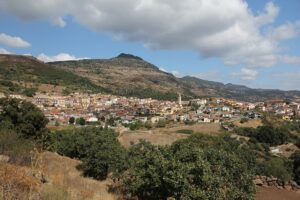
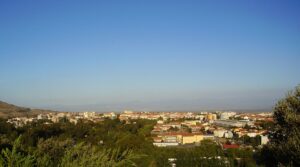
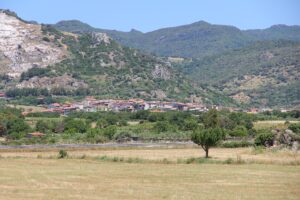
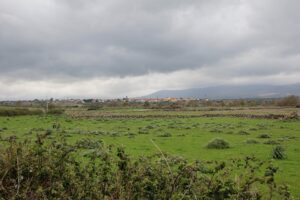
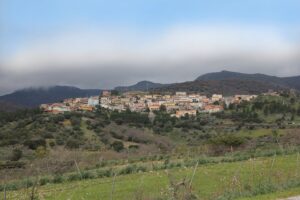
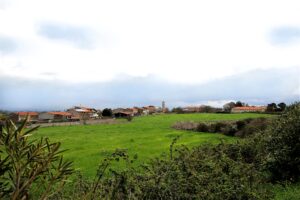
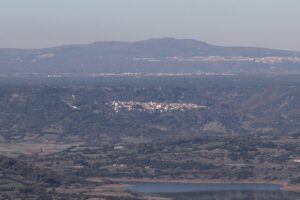
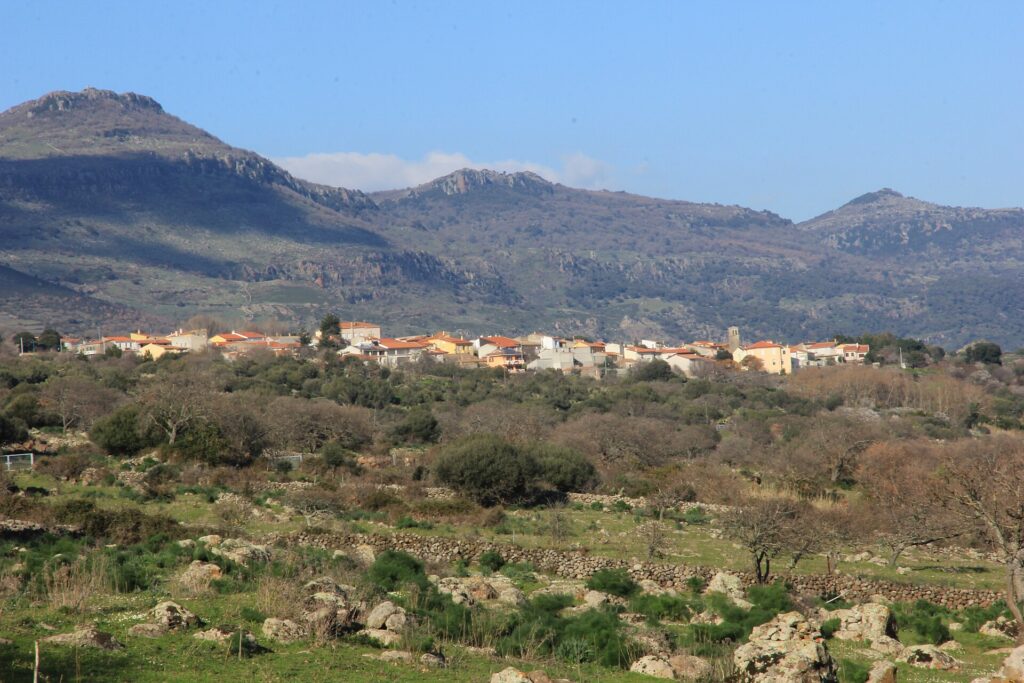
Birori (Bìroro in Sardinian) is a small village of around 500 people at about 450 metres, at the foot of the Marghine mountains and about 6 km from Macomer. Despite its size, its territory holds more than fifty monuments and archaeological sites, with giants' tombs even inside the village. A great stop if you love Sardinian prehistory, green walks and country cooking.
What to see in Birori
Giants' tombs
The giants' tomb of Su Palatu lies inside the village, a rare case in Sardinia. Near the railway station are the Lassia tombs, with two pairs of raised niches perhaps used for offerings to the dead.
Dolmens
The area has remarkable Neolithic dolmens, including Sa Perda 'e s'Altare and the one at Sarbogadas: large stone slabs resting on uprights, among the oldest funerary structures on the island.
Nuraghi
On the edge of the village stand the nuraghi (Bronze Age stone towers) Arbu and Miuddu, the latter with a central tower surrounded by a three-lobed bastion. The area also has nuraghe Sorolo, domus de janas (rock-cut tombs), menhirs and sacred wells, plus a Roman bridge over the Murtazzolu stream.
Churches
The old centre revolves around the parish church of Sant'Andrea; on the main square stands the 17th-century church of Santo Stefano.
Things to do in Birori
- Archaeology walks between giants' tombs, dolmens and nuraghi, many very close to the village.
- Green walks in the wooded areas of Funtana Idda and Funtana Maggiore.
- Hikes on the Marghine, mixing nature and prehistoric sites.
To discover these places with an expert guide, see the experiences offered by local operators just below.
History
Inhabited since the Neolithic, as the dolmens and rock-cut tombs show, the area was densely settled in the Bronze Age. In the Middle Ages the village, then called Birore, was in the Marghine district of the Giudicato (medieval Sardinian kingdom) of Torres; after 1259 it passed to Arborea and the Marquisate of Oristano, and after 1478 to the Aragonese, becoming a fief of the Pimentel and Tellez-Giron families until it was bought out in 1839.
Food and shopping
The cooking is hearty country fare: broad beans with lard, pasta with sun-dried tomatoes, boiled mutton, wild fennel soup, stewed snails, lamb cordula (braided offal) with peas, wild boar stew, and suckling pig and lamb on the spit. Sweets include casadinas with ricotta and cheese, papassini with sapa (grape syrup), seadas, pirichittos and origliettas.
Festivals and traditions
- Sant'Antonio abate bonfires, in mid-January.
- Primavera nel Marghine, the event that brings local products, crafts and open houses to the Marghine villages.
Nearby
- Macomer, about 6 km away, with nuraghe Santa Barbara.
- Borore and the Imbertighe giants' tomb.
- Bortigali and the Marghine slopes.
- Dualchi and nuraghe Ponte.
Getting there and when to go
Birori is close to the SS131 highway and the SS129 to Nuoro, and is served by the ARST Macomer-Nuoro railway. The nearest airports are Alghero-Fertilia, about an hour and a quarter away, and Cagliari-Elmas and Olbia, about an hour and a half to two hours. Spring and autumn are ideal for outdoor visits.
FAQ
How long do you need for Birori?
Half a day covers Su Palatu, Lassia, the dolmens and nuraghe Miuddu.
Is Birori good for children?
Yes: many sites are close to the village and easy to reach on foot.