Things to do in Lei
Things to do in Lei, a Marghine village in Sardinia: San Michele church, nuraghi, woodland trails at Zuncos, local sweets, the San Marco feast.
We are gathering the first experiences for this area. Check back soon, or tell us about an operator you know.
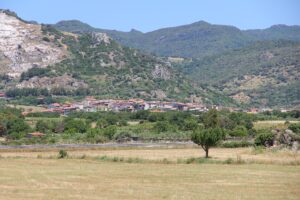
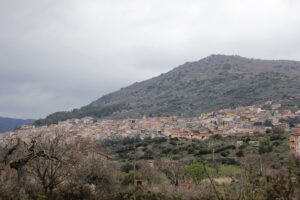
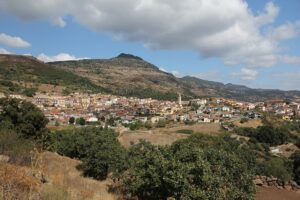
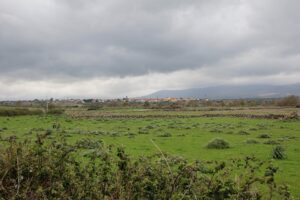
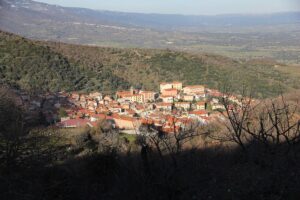
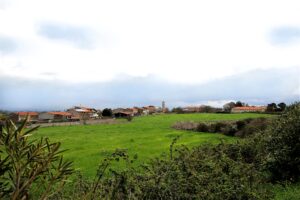
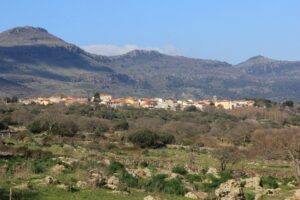
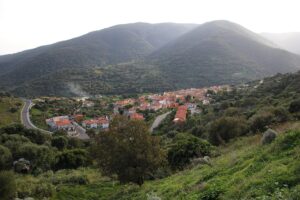
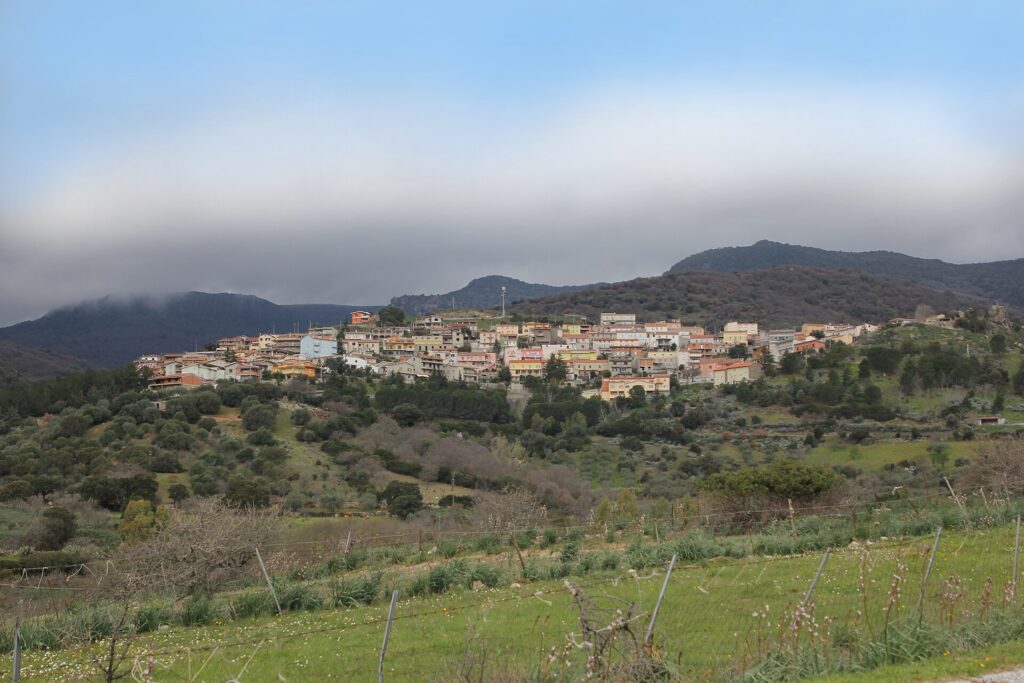
Lei is a small village in the Marghine, in the province of Nuoro, home to just over 400 people and set on a hill at about 500 metres beneath a range that tops 1,000 metres. Its land is full of springs, chestnut woods, ancient oaks and Nuragic remains. It's a destination for quiet, green trails and the authentic life of an inland village, just minutes from Silanus and Bolotana.
What to see in Lei
Church of San Michele Arcangelo
Dating from the 13th century, it was built in open countryside and now sits within the village. It has a single nave with a gabled roof, a round-arched doorway in two-tone stone and a bell gable on the right side.
Archaeological heritage
Inhabited since the Neolithic, the area has two domus de janas (rock-cut tombs, «fairy houses»), six nuraghi and three giants' tombs. In the 19th century a Nuragic votive hoard was found here, with bronze fragments of axes, daggers, spears, bracelets and figurines; more recent finds include a coin of Emperor Trajan and a Punic bracelet, now in the Sanna Museum in Sassari.
Things to do in Lei
Lei is a starting point for hiking in the Marghine hills: around the mountain hut and Zuncos park, trails lead through unspoilt woodland of chestnut, holm oak, downy oak and yew. The peaks of Primaghe and Nidu 'e Corbu are nesting sites for large birds of prey, so bring binoculars. Combine your walk with a visit to the nearby nuraghi of Silanus and Bolotana. Discover the hikes and experiences offered by local operators just below.
History
The name first appears as Lee in the condaghe (monastic register) of Santa Maria di Bonarcado. In the Middle Ages the village belonged to the Giudicato (medieval Sardinian kingdom) of Torres; after 1259 it passed to Arborea and the Marquisate of Oristano, and after Arborea's defeat in 1478 to the Aragonese. In the 18th century it joined the Marquisate of Marghine and was freed in 1839 when feudalism ended.
Food and what to buy
Lei produces excellent olive oil, plus cheeses, meats and cured meats. Breads include carasau (crisp flatbread) and zicchi; sweets include pirichittos, pabassinas, sebadas (cheese-filled fried pastries with honey), sospiros and casalinas. The village also has a tradition of carpets and wool weaving.
Festivals and traditions
- San Marco Evangelista: 24–25 April, with a procession to the country sanctuary and the votive bread cogones de santu Marcu.
- Sant'Isidoro: mid-May.
Nearby
- Silanus, with the Santa Sabina complex and the Corbos nuraghe.
- Bolotana, with San Bachisio church, Villa Piercy and Badde Salighes.
- Bortigali, with the Orolo nuraghe.
- Dualchi, with the Ponte nuraghe.
Getting there and when to go
Lei is about twenty kilometres from Macomer and the SS131 highway, and has a station on the Macomer–Nuoro line served by ARST trains. Olbia and Alghero-Fertilia airports are about an hour and a half away, Cagliari-Elmas about two hours. Spring and autumn are perfect for walking; April brings the San Marco feast.
FAQ
Is Lei good for hiking?
Yes, the Zuncos and Marghine trails offer woods, springs and views.
How long do I need for Lei?
An hour for the village; allow half a day or more with a woodland hike.
Where can I stay near Lei?
Base yourself in the Marghine villages or in Macomer, about 20 minutes by car.