Things to do in Noragugume
Things to do in Noragugume, Sardinia: nuraghe Tolinu, the Sa Perda 'e Taleri menhir, the Itria church, a horseback ardia and shepherds' cooking.
We are gathering the first experiences for this area. Check back soon, or tell us about an operator you know.
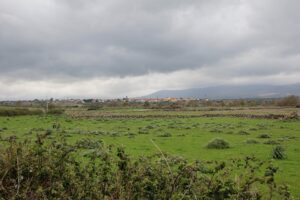
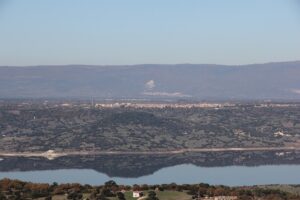
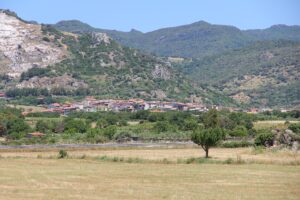
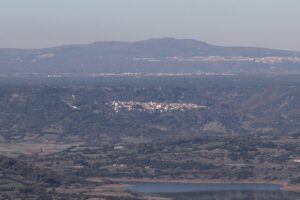
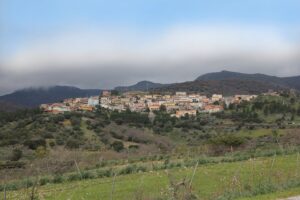
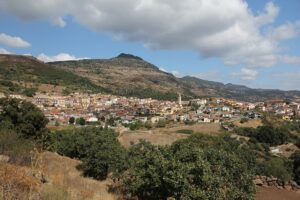
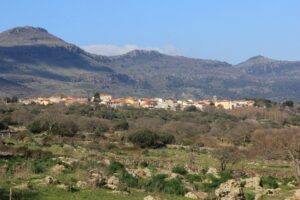
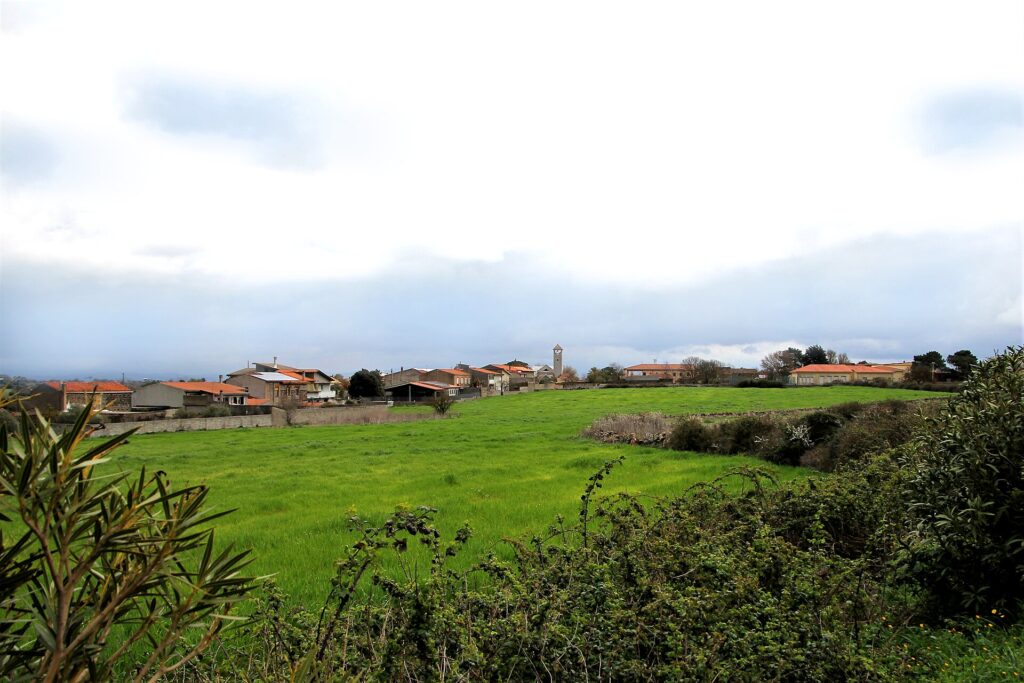
Noragugume is a small Marghine village of around 300 people, set on hills at about 300 metres between the Marghine range and Lake Omodeo. From the village the view sweeps over the Ottana plain to the Gennargentu mountains. It is a quiet, authentic place of murals, old chapels and a well-preserved nuraghe (Bronze Age stone tower): perfect if you want pastoral Sardinia far from the crowds.
What to see in Noragugume
Nuraghe Tolinu
The village's most famous monument stands on a plateau about 2 km from the centre, with a well-preserved bastion and central tower and the remains of a settlement around it. The area also has the nuraghi Irididdo, Muresune and Litzera.
Sa Perda 'e Taleri menhir
A tall pre-Nuragic standing stone, about 4.5 metres high, whose shape recalls a human figure. Nearby are the domus de janas (rock-cut tombs) of Taleri and Iscannitzu.
Churches and old centre
The tidy centre, decorated with murals, keeps the chapel of Santa Croce, consecrated in the late 16th century, and the Catalan-Gothic church of the Beata Vergine d'Itria on the square, dating to 1623. On the edge of the village is the old country church of San Michele; the modern parish church is dedicated to San Giacomo, the patron saint.
Things to do in Noragugume
- Archaeology walks to nuraghe Tolinu and the Taleri menhir.
- Photography and views over the Ottana plain and Lake Omodeo.
- Bike rides or hikes among pastures and hills.
To discover the Marghine with people who live it every day, see the experiences offered by local operators just below.
History
The area has been inhabited since the Neolithic, as the menhirs and rock-cut tombs show. In the Middle Ages the village, called Nuracogomo, lay in the Marghine district of the Giudicato (medieval Sardinian kingdom) of Torres; after 1259 it passed to Arborea and, after 1478, to the Aragonese. It was later part of the Marghine marquisate until it was bought out in 1839. The name is thought to come from a nearby nuraghe.
Food and shopping
The cooking is shepherds' fare: boiled mutton, lamb roasted or stewed with potatoes, peas and wild fennel, cordula and trattalia (offal dishes). Everyday bread is su bistoccu. Sweets follow the calendar: frisciolas at Carnival, casadinas and tiliccas at Easter, pabassinos for All Saints.
Festivals and traditions
- Madonna d'Itria, on Pentecost Tuesday, with the ardia, a horse race around the sanctuary.
- San Giovanni, in late June.
- San Giacomo, the patron, in late July.
- S'Izzadorzu, in late October, with folklore, Sardinian poetry contests and tastings.
Nearby
- Dualchi, with nuraghe Ponte, a few kilometres away.
- Lake Omodeo, the island's largest reservoir.
- Sedilo and the sanctuary of San Costantino, famous for its July Ardia.
- Macomer, less than 20 km away.
Getting there and when to go
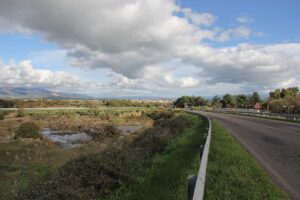
Noragugume is a few minutes from the SS131 and the SS131 dcn Abbasanta-Nuoro road; Nuoro is about 45 km away. The nearest airports are Cagliari-Elmas and Olbia, each about an hour and a half to two hours away. Spring and autumn are ideal for walking; late October for S'Izzadorzu.
FAQ
How long do you need for Noragugume?
Half a day covers the village, nuraghe Tolinu and the menhir; pair it with Dualchi or Lake Omodeo.
What is there to see near Noragugume?
Nuraghe Ponte in Dualchi, the San Costantino sanctuary in Sedilo and Lake Omodeo.