Things to do in Borore
Things to do in Borore, Sardinia: Imbertighe giants' tomb, Duos Nuraghes and ancient wine, the Ritual Bread Museum and horseback Ardia festivals.
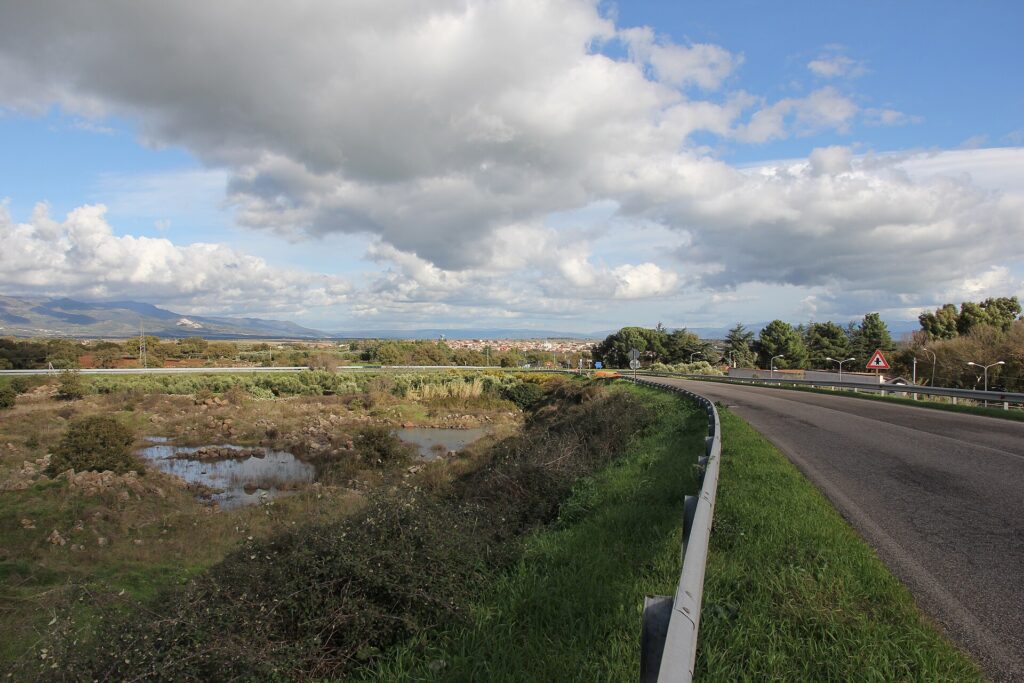
We are gathering the first experiences for this area. Check back soon, or tell us about an operator you know.
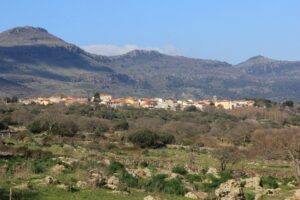
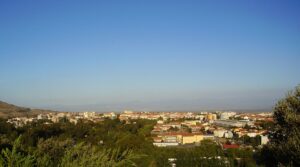
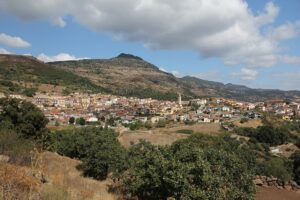
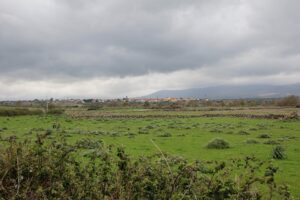
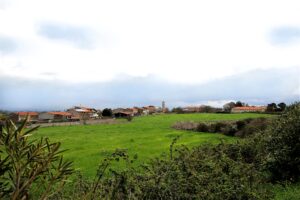
Borore is a village of around 1,900 people at the foot of the Marghine range, on the basalt plateau of Abbasanta, in the heart of Sardinia. Its countryside is an open-air museum: some of the island's finest giants' tombs, dozens of nuraghi (Bronze Age stone towers), dolmens and menhirs. It also holds a curious record, grape seeds 3,200 years old, and a bread tradition with its own museum. Ideal if you love archaeology, rural culture and festivals on horseback.
What to see in Borore
Imbertighe giants' tomb
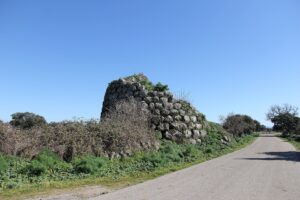
The village's landmark, also featured in its logo: a Nuragic collective tomb with a central stele over 3.5 metres tall. Seven more giants' tombs lie in the area, including Santu Bainzu and Uore.
Duos Nuraghes
Two towers a few metres apart, surrounded by a hut village. Excavations here found grape seeds dated to around 1200 BC, among the oldest evidence of winegrowing in the western Mediterranean.
Ritual Bread Museum
The only one of its kind in Sardinia, it displays ceremonial and festive breads from all over the island: a lovely way to see how bread becomes art and ritual.
Old town and churches
The 17th-century parish church of the Assunta holds paintings of the four Evangelists by Emilio Scherer and a baroque wooden altar. Also see the former granary Sa Piedade, Casa Delogu and murals showing traditional life. In the countryside stand the churches of San Lussorio, with its muristenes (pilgrims' cottages), and San Gavino.
Things to do in Borore
- Archaeology trails between giants' tombs, nuraghi, domus de janas (rock-cut tombs) and menhirs.
- Walks or bike rides across the plateau and towards the Marghine.
- Bread workshops to discover the art of decorated bread.
To explore with a guide or enjoy an authentic experience, check the activities offered by local operators just below.
History
Settled before the Nuragic age, the area was densely populated in Nuragic times. In the Middle Ages the village, then called Gorore, belonged to the Giudicato (medieval Sardinian kingdom) of Torres; after 1259 it passed to Arborea and then to the Aragonese. It was a fief of the Pimentel and Tellez-Giron families until it was bought out in 1839. For centuries its wheat fields made it a local granary.
Food and shopping
Here bread is an art: sa coccoi pintada and ritual breads are the village's pride. Sweets include ziliccas, amaretti, suspiros, pitifurros and giorminos, alongside local cheeses and wine.
Festivals and traditions
- Sant'Antonio abate, 16-17 January, with a big bonfire.
- Holy Week, with the s'Iscravamentu and s'Incontru rites.
- San Lussorio, in late August, with a procession to the country sanctuary and the Ardia, a horse race.
- San Gavino, in early October, also with an Ardia.
- Primavera nel Marghine, a showcase of local food and crafts.
Borore is also a land of improvised Sardinian poetry, guitar singing and traditional dances.
Nearby
- Macomer and nuraghe Santa Barbara, a few kilometres away.
- Nuraghe Losa in Abbasanta, one of Sardinia's most famous.
- Dualchi and nuraghe Ponte.
- Lake Omodeo, the large reservoir on the Tirso.
- Santu Lussurgiu and the Montiferru.
Getting there and when to go
Borore lies on the SS131 highway: Cagliari-Elmas airport is about an hour and a half away, Alghero-Fertilia and Olbia about an hour and a half to two hours. The village also has a station on the Cagliari-Golfo Aranci railway. Spring and autumn are best for archaeology; August and October for the horseback festivals.
FAQ
How long do you need for Borore?
Half a day covers Imbertighe, the museum and the centre; a full day if you want to see more sites.
Is Borore good for families?
Yes: the giants' tombs and nuraghi are easy to reach, and the bread museum fascinates children.