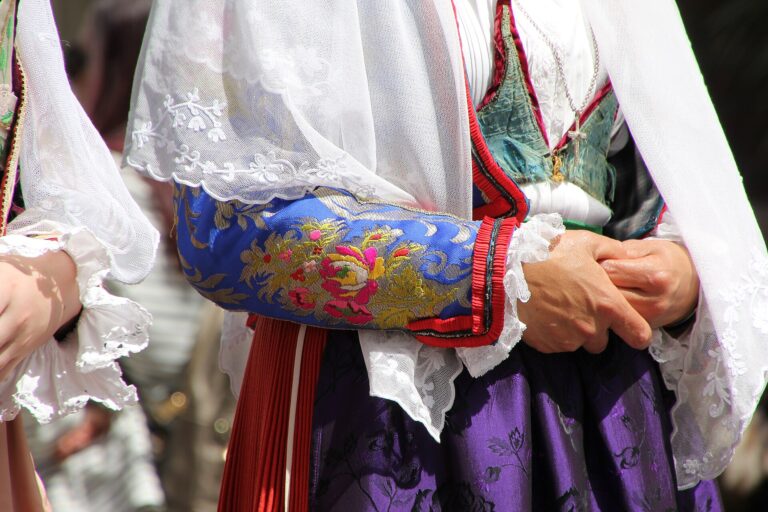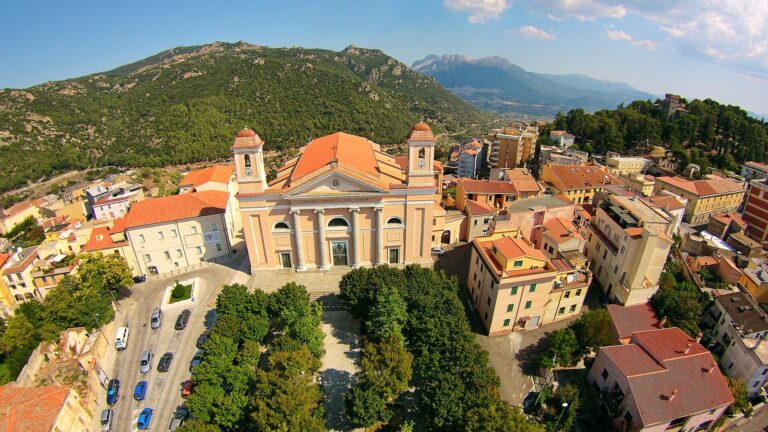
Autunno in Barbagia in Mamoiada 2026: Cortes Apertas
Price on request Discover
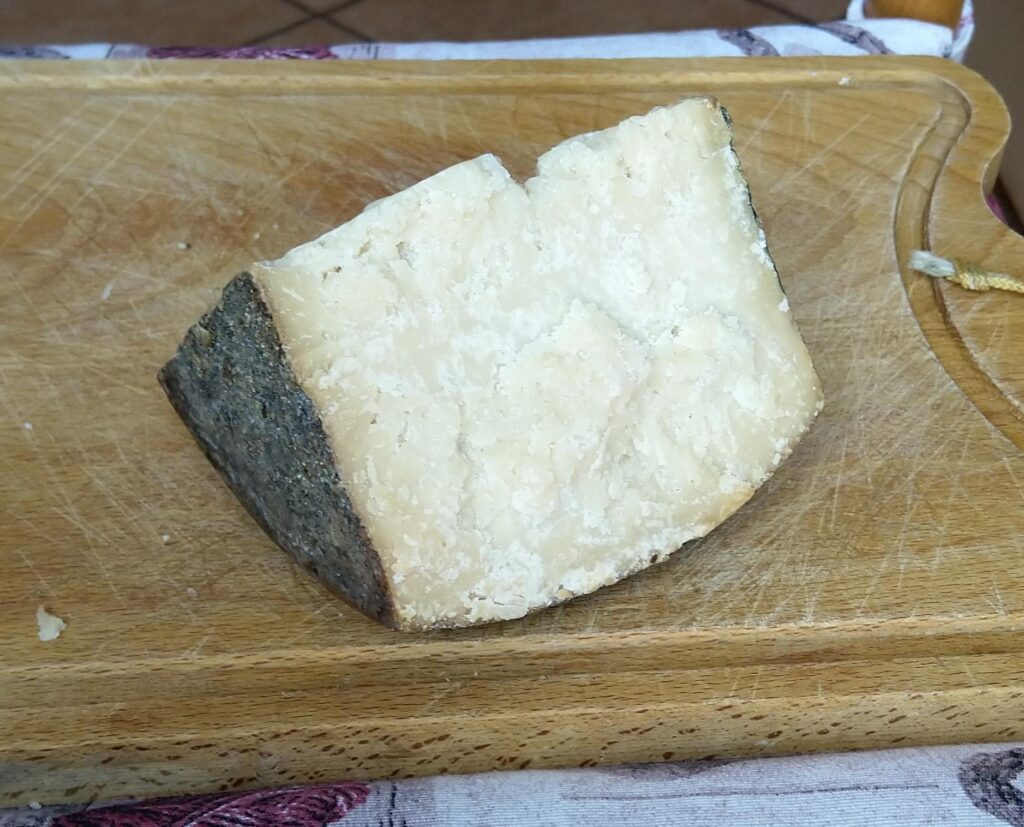
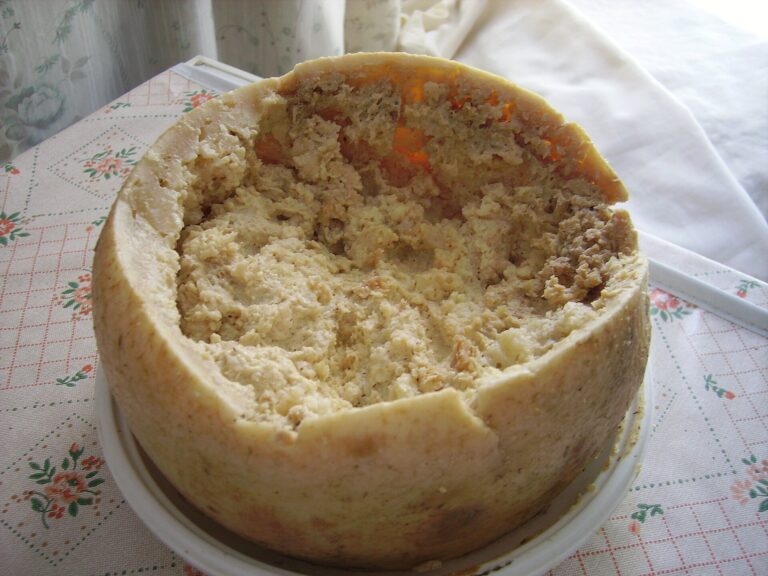
Anyone who grew up in Sardinia knows the smell: a touch of smoke, dry grass, a cool cellar. That is Fiore Sardo, the shepherds’ cheese, always on the table and in the shepherd’s bag. It is a pecorino made from raw milk of Sardinian sheep, with a dark rind and an unmistakable shape: two flattened cones joined at the base, with a curved side locals call a schiena di mulo – “mule’s back”.
Fiore Sardo is often described as one of the oldest cheeses in the Mediterranean, with roots many trace back to the Nuragic age. Its cradle is the Barbagia di Ollolai in the province of Nuoro – Gavoi, Ollolai, Ovodda, Lodine, Olzai, Austis, Teti and Tiana. Until the late 19th century it was the island’s most widely made cheese, before industrial Pecorino Romano dairies took over and Fiore Sardo stayed largely in shepherds’ hands.
The name (“Sardinian flower”) most likely comes from old wooden moulds of chestnut or wild pear carved with a flower, often with the shepherd’s initials, which left their mark on the cheese. Slow Food also mentions another theory linking it to the thistle flower once used as rennet.
Wheels usually weigh 1.5-4 kg. Young, it is firm and full-flavoured; with age it turns hard, bold and pleasantly sharp.
Fiore Sardo was named in the 1951 Stresa Convention, became a designation of origin in 1974 and a European Protected Designation of Origin in 1996. It can be made anywhere in Sardinia and must use raw milk. Alongside the PDO, the Slow Food Presidium “Shepherds’ Fiore Sardo” brings together farmers who use only their own flocks’ milk and lamb rennet, ageing the wheels for at least four months.
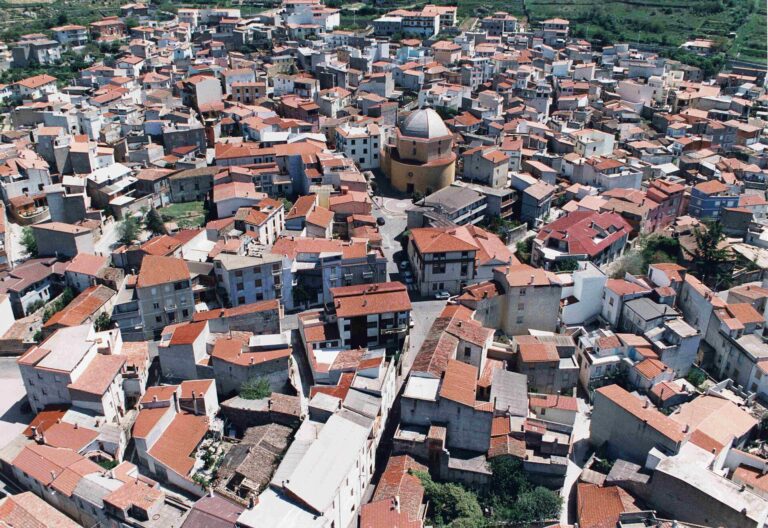
You will find it all over the island, but the real journey is to Barbagia. In Gavoi the Fiore Sardo Museum tells how a wheel is born. In surrounding villages – Ollolai, Ovodda, Olzai, Lodine, Fonni, Orgosolo – several shepherds welcome visitors: watching the milk being worked at dawn and tasting cheese from the person who made it is worth the trip. In autumn, Autunno in Barbagia is a great chance to discover inland products.
Fiore Sardo uses only raw milk, an uncooked curd and is traditionally smoked; Pecorino Sardo PDO is semi-cooked and may use heat-treated milk.
It depends on age: mild and savoury when young, intense and sharp when aged – ideal for grating.
Do you run activities in Sardinia?
Get your own page on Ajò Sardegna: free until 31 May 2027, no commissions, with customer requests coming straight to you. If you like, we prepare the page for you.
Hi!
Can I help you?
Lia is an AI-based virtual assistant and can make mistakes: always check with the operator. Please don't share personal data. Privacy