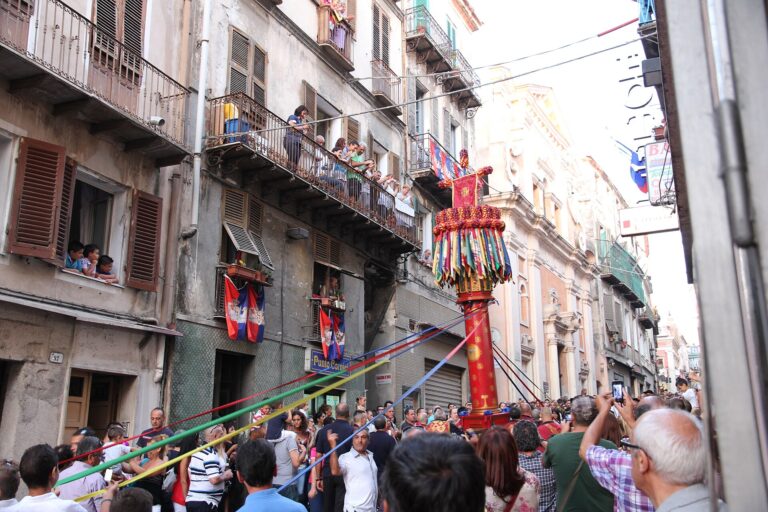
Sartizza Sausage Festival in Siligo 2026
Price on request Discover
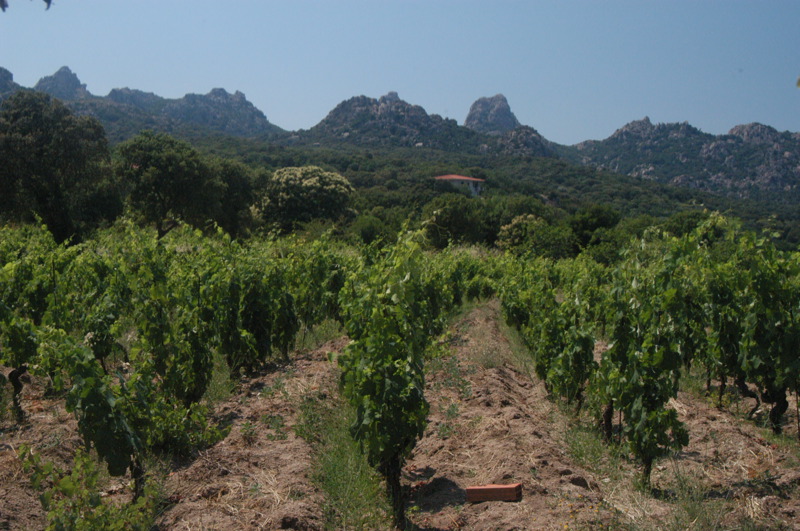
Anyone who grew up in Gallura knows it: among wind-carved granite, cork oak woods and low vines, there is a white wine that tells the story of this corner of Sardinia better than any postcard. Vermentino di Gallura DOCG is what we pour at summer dinners, seaside fish grills and long Sunday lunches in the inland villages. Straw-yellow with green glints, an intense nose and a faintly bitter finish, it is also a record-holder: the only Sardinian wine to have earned Italy’s top classification, the DOCG.
Vines have deep roots in Sardinia: the production rules themselves recall traces of winemaking found at Nuragic sites dating back to the Bronze Age. Where the Vermentino grape came from is less certain. The most common theory points to the Iberian peninsula between the 15th and 18th centuries, while others stress its long history in Liguria and Corsica, just across the Strait of Bonifacio. What is clear is that by the 19th century Vermentino was well established in Gallura, and that here, on poor granite soils, it found its ideal home. DOCG status arrived with a ministerial decree of 11 September 1996. The protection consortium’s logo shows a glass with a stylised rooster, the symbol of Gallura.
The rules require at least 95% Vermentino, from vineyards on decomposed granite soils no higher than 500 metres. Granite, wind and sun give the wine its saltiness, freshness and mineral edge. The area covers 23 municipalities, including Tempio Pausania, Calangianus, Luras, Aggius, Berchidda, Monti, Arzachena, Olbia, Telti, San Teodoro, Santa Teresa Gallura, Palau, Badesi and Viddalba.
Still wines may only be released from 15 January after the harvest; the Passito from 1 May.
Serve it chilled, around 8-10 °C; it makes a lovely aperitif. At the table it shines with seafood: fish starters, shellfish, pasta or risotto with crustaceans, grilled fish. It also works with fresh cheeses, white meat and mushroom dishes. The Superiore can stand up to richer food, while the Passito pairs with almond sweets. Most Vermentino is best young, within a year or two of the harvest.
The heart of production lies inland, around Tempio Pausania, Calangianus, Luras, Aggius, Berchidda and Monti, with more vineyards towards the coast near Arzachena, Olbia, Telti and San Teodoro. Many wineries, both cooperatives and family estates, offer visits and tastings by appointment. Several Gallura villages hold wine festivals during the year: check dates on the municipalities’ websites before you travel. On Ajò Sardegna you will also find local experiences that pair a tasting with a day among the granite hills or by the sea.
Vermentino di Gallura DOCG can only be made in the 23 Gallura municipalities listed in its rules, from at least 95% Vermentino on granite soils. Vermentino di Sardegna DOC can be produced across the whole island under different rules.
Yes. Since 1996 Vermentino di Gallura has been the only Sardinian wine with DOCG status.
Do you run activities in Sardinia?
Get your own page on Ajò Sardegna: free until 31 May 2027, no commissions, with customer requests coming straight to you. If you like, we prepare the page for you.
Hi!
Can I help you?
Lia is an AI-based virtual assistant and can make mistakes: always check with the operator. Please don't share personal data. Privacy