Things to do in Aidomaggiore
Things to see in Aidomaggiore, Sardinia: Nuraghe Tosingalo, country churches overlooking Lake Omodeo and the 8 September feast.
We are gathering the first experiences for this area. Check back soon, or tell us about an operator you know.
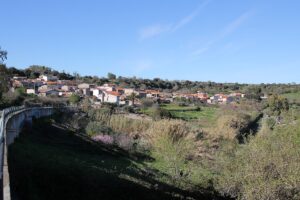
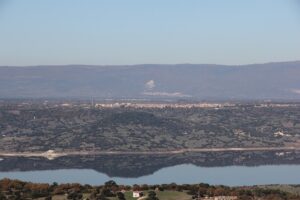
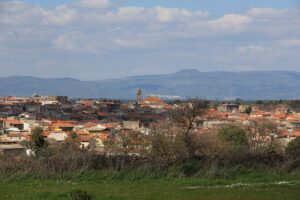
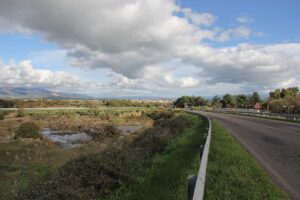
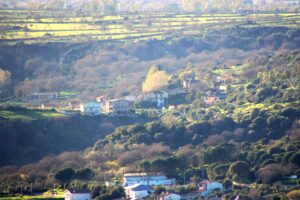
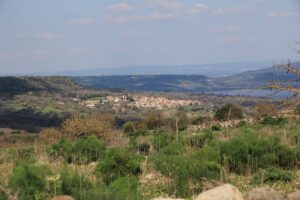
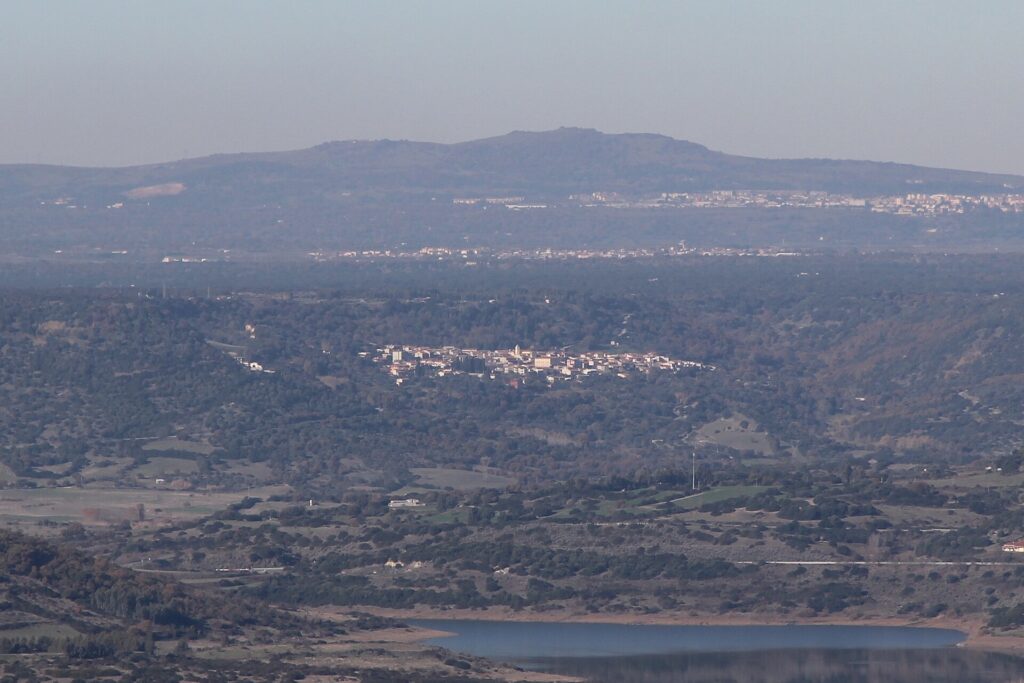
Aidomaggiore (Aidumajore in Sardinian), home to about 370 people, is an old farming and shepherding village on the edge of the Abbasanta plateau, surrounded by cork oaks, olive groves, vineyards and orchards, with Lake Omodeo spreading out below. Its country churches are natural viewing terraces over the lake and the mountains of the Barbagia, and the land holds well-preserved nuraghi. It is perfect if you want rural, authentic Sardinia, enjoyed on foot, by canoe and at village festivals.
What to see in Aidomaggiore
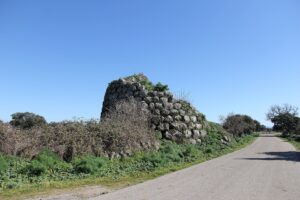
Nuraghe Tosingalo
The most impressive in the area, Tosingalo is a single-tower corridor nuraghe built of black basalt blocks. A staircase leads to a terrace about eight metres up, with great views. The territory also has the Sa Jua nuraghe, shown on the town's coat of arms, Sanilo and Benezziddo, as well as domus de janas rock-cut tombs and giants' tombs.
Santa Maria delle Grazie
Also called de Orraccu, this country church dates in its present form from the 1600s but has older roots. From its position, once a defensive point known as sa Bastia, you look across the lake to the mountains of the Barbagia and Mandrolisai.
Santa Greca
About 5 km from the village, on a hill overlooking the lake, stands Santa Greca, built in 1797 on the site of an older church dedicated to Saint Giusta.
Village churches
In the centre are the 16th-century parish church of Santa Maria delle Palme and the Romanesque church of San Gavino; out in the fields is Santa Barbara, of medieval origin.
Things to do in Aidomaggiore
Lake Omodeo, one of Italy's largest reservoirs, is best explored by canoe or on walks along the shore. Country lanes linking churches and nuraghi are ideal for hiking and cycling, with the lake always in view. Scroll down for experiences from local operators and choose your outing.
History
People have lived here since the Neolithic, as the rock-cut tombs and nuraghi show. The old name Aidu, meaning "passage", appears as "villa de Aidu" in the 1388 peace treaty between Eleonora of Arborea and John I of Aragon. After the Giudicato of Arborea fell in 1420, it was a royal fief under the Aragonese and Spanish, until it bought its freedom in 1839.
Food and shopping
The countryside yields olive oil, wine, fruit and sheep's cheese; cooking is the simple inland kind, with homemade bread, roast meats and almond sweets.
Festivals and traditions
- Bonfires of Sant'Antonio: January.
- Carnival: February to March.
- Holy Week: the Easter rites are the village's most heartfelt tradition.
- Santa Maria delle Grazie: 8 September, with dancing and music by folk groups from all over the island, ending with a procession carrying the statue of the Child Mary to Santa Maria delle Palme.
Nearby
- Sedilo, with the San Costantino sanctuary and the Ardia in July.
- Ghilarza, with Casa Gramsci.
- Nuraghe Losa in Abbasanta.
- Norbello, with Santa Maria della Mercede.
Getting there and when to go
Aidomaggiore is about 15 minutes from the SS131 highway (Abbasanta exit) and about 45 minutes from Oristano. Alghero airport is about an hour and a quarter by car, Cagliari about an hour and a half. Spring and early autumn are best; 8 September is the most festive day.
FAQ
What is the best viewpoint in Aidomaggiore?
The churchyard of Santa Maria delle Grazie, looking over Lake Omodeo and the Barbagia mountains.
How long do I need for Aidomaggiore?
Half a day for the village, the country churches and Nuraghe Tosingalo.
Is Aidomaggiore family-friendly?
Yes: kids enjoy Tosingalo's terrace and the walks towards the lake.