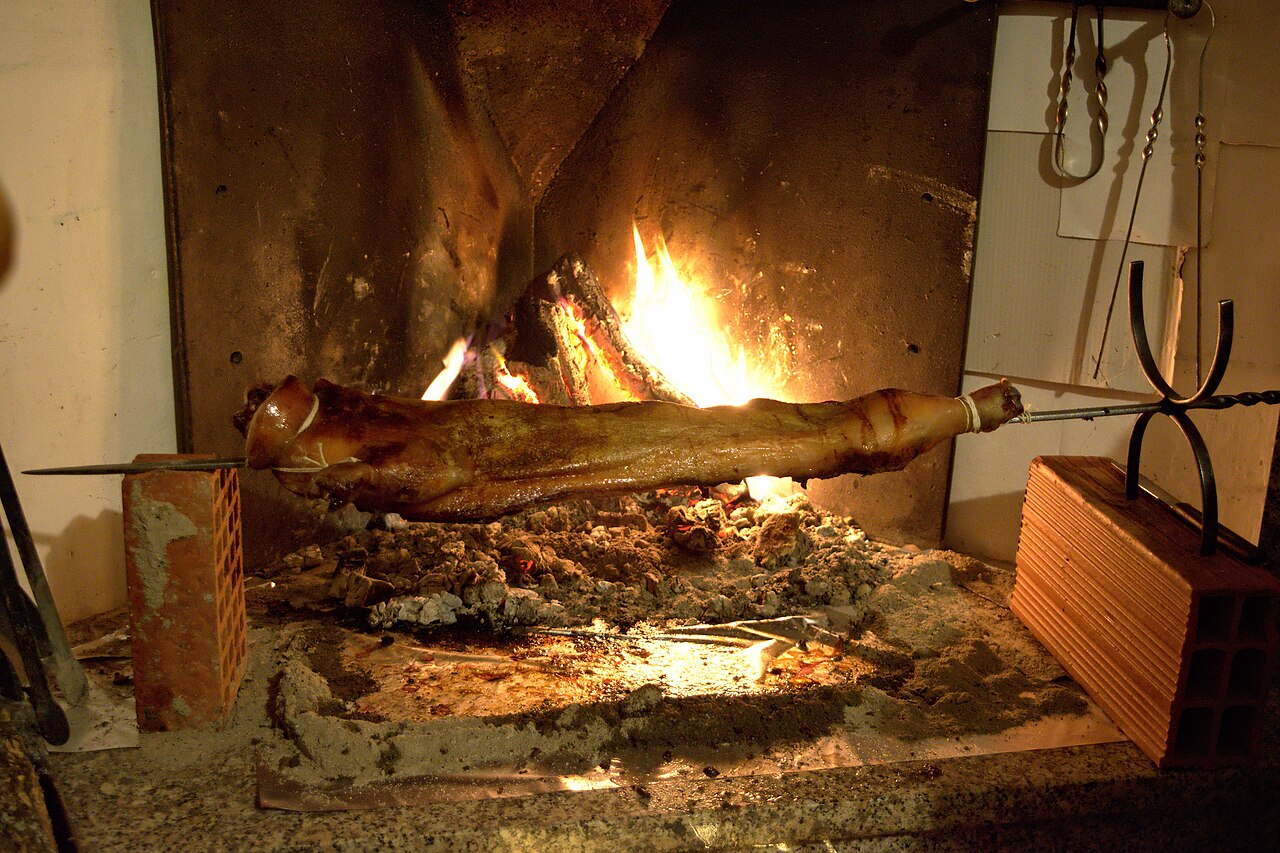
Traditional Sardinian food tells the story of an island of shepherds, farmers and fishermen: humble cooking, seasonal ingredients and plenty of time. From porceddu roasted for hours beside the fire to culurgiones sealed by hand one by one, every part of Sardinia has its own flavours, and often every village has its own version of the same dish, defended with pride.
We have chosen 25 dishes to try at least once, grouped into pasta and soups, meat, seafood, bread and cheese, and desserts. For each one you will find where it comes from, how it is eaten and where to look for it, with links to the Flavours pages on Ajò Sardegna, to food festivals and to experiences run by local operators, whom you can contact directly, with no commission.
Contents
Sardinian cuisine: between the sea and the mountains
For centuries Sardinians lived away from the coast, to protect themselves from pirates and malaria. That is why the oldest Sardinian cuisine is mostly about the land: bread, cheese, pork, lamb and kid, pulses and wild greens. Fish has a strong tradition only in certain areas, such as Cabras, Alghero, Carloforte and Cagliari, where fishing communities settled.
The result is a cuisine that varies enormously from area to area. In Barbagia people eat roast meat, aged cheese and pane carasau; in the Campidano, fresh pasta and saffron; in Gallura, bread and cheese soups; along the coasts, fish, clams and bottarga. Many traditional Sardinian dishes are tied to celebrations: Easter, Carnival, weddings and village food festivals.
At the table, no one grows old.
Traditional Italian proverb
Pasta and soups: traditional Sardinian food for the first course
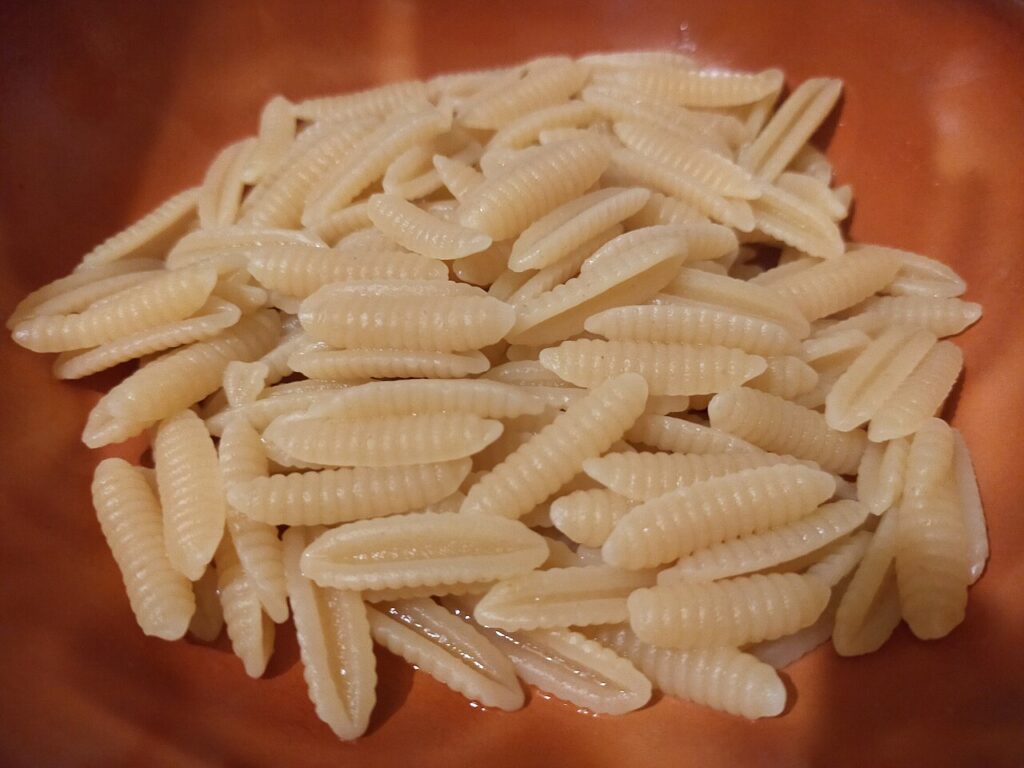
1. Malloreddus alla campidanese – These are Sardinian gnocchetti: small semolina shells ridged by hand on a wicker basket, often with a pinch of saffron in the dough. Campidano-style, they are dressed with tomato sauce and fresh sausage and a sprinkling of pecorino. You will find the story of the dish on the malloreddus alla campidanese page.
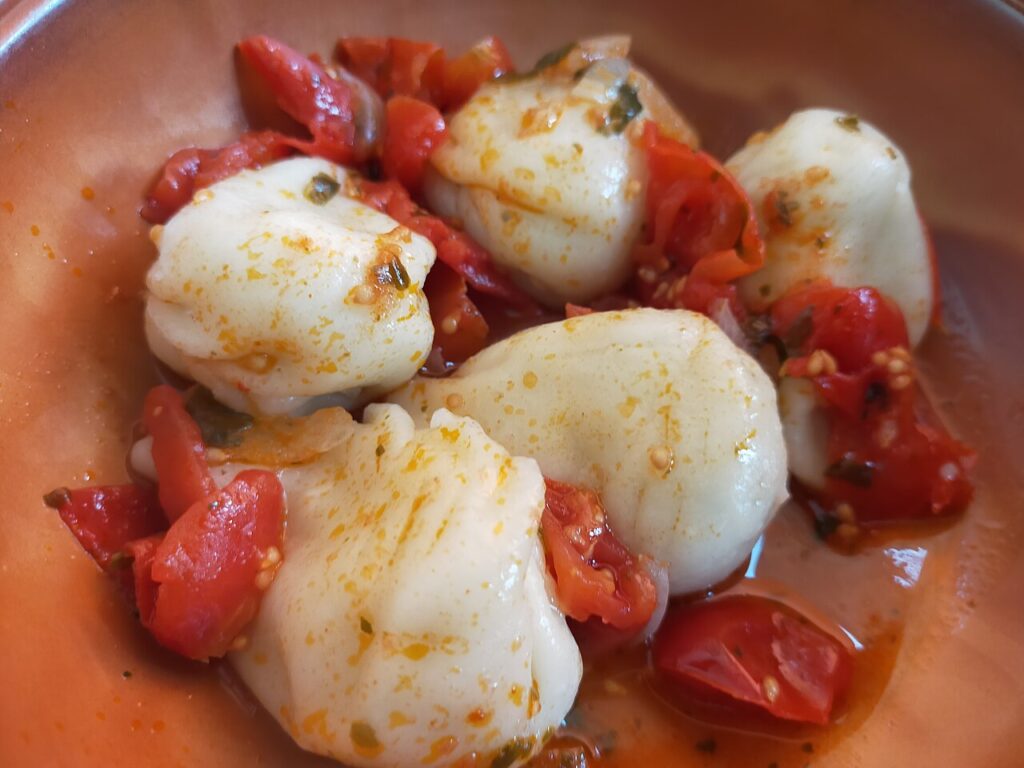
2. Culurgiones from Ogliastra – Hand-sealed ravioli with a distinctive wheat-ear pleat, filled with potato, pecorino, mint and garlic. Since 2015 they have held PGI status under the name Culurgionis d’Ogliastra. They are served with butter and sage or a simple tomato sauce: read all about them on the culurgiones from Ogliastra page.
3. Fregula with clams – Fregula is a semolina pasta rolled by hand into small irregular beads and then toasted in the oven, which gives it a slightly smoky flavour. The classic way to eat it, in Cagliari and along the southern coast, is with clams, cooked like a risotto. Find out more on the fregula with clams page.
4. Su filindeu – Perhaps the rarest pasta in the world: ultra-thin threads of semolina woven by hand into three layers, which only a handful of women in Nuoro still know how to make. It is cooked in mutton broth with fresh pecorino and served to pilgrims at the feast of San Francesco in Lula. You will rarely find it in a restaurant: if you do, don’t leave any on your plate.
5. Lorighittas – Hand-braided rings of pasta from Morgongiori, in the Marmilla. The name comes from lorigas, the iron rings to which animals were tied. They were traditionally made for All Saints’ Day; today they are eaten with tomato sauce or a free-range cockerel ragù.
6. Pane frattau – One of the simplest and best-loved traditional Sardinian dishes, born in Barbagia: layers of pane carasau softened in broth, tomato sauce, grated pecorino and a poached egg on top. It takes just a few minutes to make and tastes of home cooking.
7. Suppa cuata – The soup of Gallura, also called suppa cuata, “hidden soup”: layers of stale bread, cow’s cheese and pecorino, soaked in meat broth and baked until a golden crust forms. It is the festive dish of Gallura, from Tempio Pausania to Calangianus.
8. Favata – A stew of dried broad beans slow-cooked with lard, pork rind, sausage, wild fennel and cabbage. It is the Carnival dish in many Sardinian villages, perfect for cold winter evenings.
Meat dishes: the food of the shepherds
9. Porceddu – Roast suckling pig, cooked slowly on a spit beside the embers for hours, until the skin turns crisp. It is served on a bed of myrtle leaves, which give it its aroma. Families make it for big occasions: everything you need to know is on the porceddu page.
10. Pecora in cappotto – Mutton boiled for a long time with potatoes, onions and celery, typical of Barbagia. The broth is used for pane frattau or soup, and the meat is eaten with the vegetables. It is a shepherds’ dish, from people who never wasted anything.
11. Lamb with wild fennel – In spring Sardinian lamb, protected by the Agnello di Sardegna PGI, is stewed with wild fennel gathered in the fields, or roasted. At Easter it is the main dish almost everywhere on the island.
12. Sa cordula – Lamb offal braided around the intestine and cooked over embers or stewed with peas. It is a dish for lovers of strong flavours, but for Sardinians it is one of the symbols of home cooking.
13. Zimino sassarese – In Sassari, zimino is a mixed grill of veal or lamb offal, cooked over the embers and served with salt and lemon. It is eaten in the trattorias of the old town, often with a glass of red wine.
14. Sartizza – Sardinian sausage, seasoned with fennel, pepper and sometimes wine, eaten fresh off the grill or cured. In Siligo, on 5 and 6 December 2026, the Sartizza Sausage Festival is dedicated entirely to it.
Traditional Sardinian food from the sea
15. Sa burrida a sa casteddaia – Small-spotted catshark, a little shark, boiled and marinated with vinegar, garlic and walnuts. It is one of the oldest dishes in Sardinian cuisine, born in Cagliari and served cold as a starter.
16. Catalan-style lobster – In Alghero, a town of Catalan language and tradition, lobster is boiled and dressed with fresh tomato, onion, olive oil and lemon. In spring and summer it is the most sought-after dish on the Coral Riviera; to explore the coast you can pair it with a boat trip in Alghero with Sea Stories.
17. Cassòla – The fish soup of Cagliari, made with several kinds of rockfish, molluscs and shellfish in a slightly spicy tomato sauce. Every family has its own recipe, and the secret is using very fresh fish.
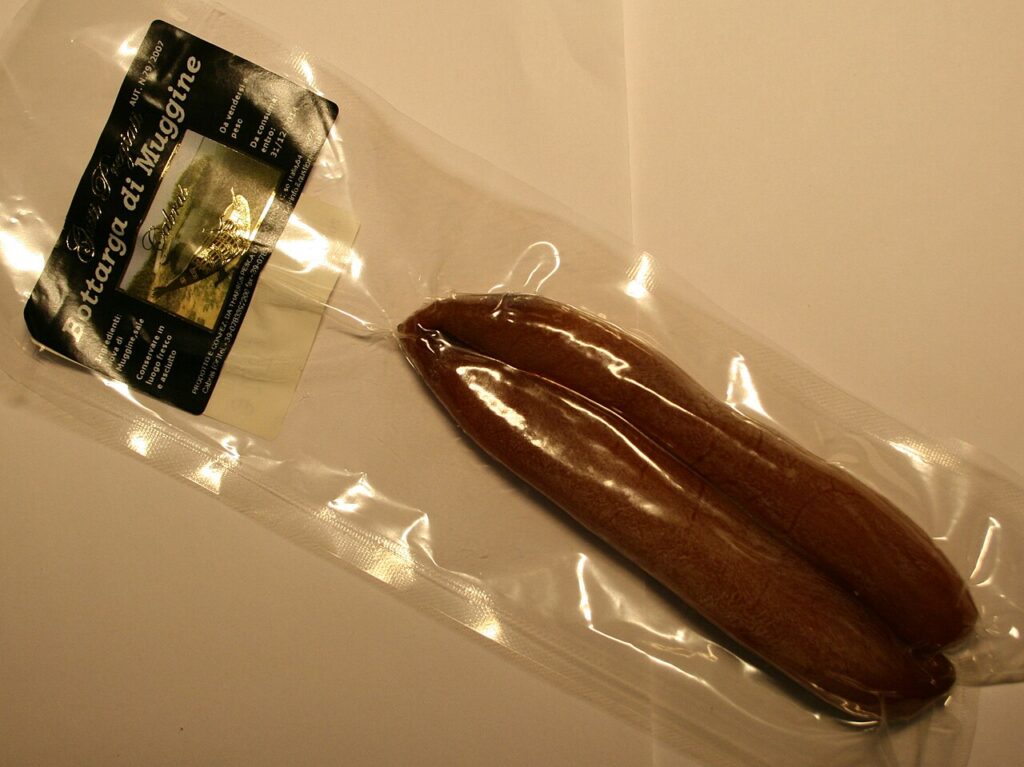
18. Mullet bottarga – Grey mullet roe, salted, pressed and dried. The most famous comes from Cabras, in the Sinis, where the lagoons teem with mullet. It is eaten in thin slices with olive oil, on bread, or grated over spaghetti: one of the best-known kinds of Sardinian food in the world.
The best fish is eaten on board, just caught. On the fishing tourism trip to Asinara from Stintino with Davide and Silvia you join in the fishing and then have lunch on the boat, while in the Sinis you can book a sunset dinner on a sailing boat off Tharros.
Bread, cheese and baked dishes
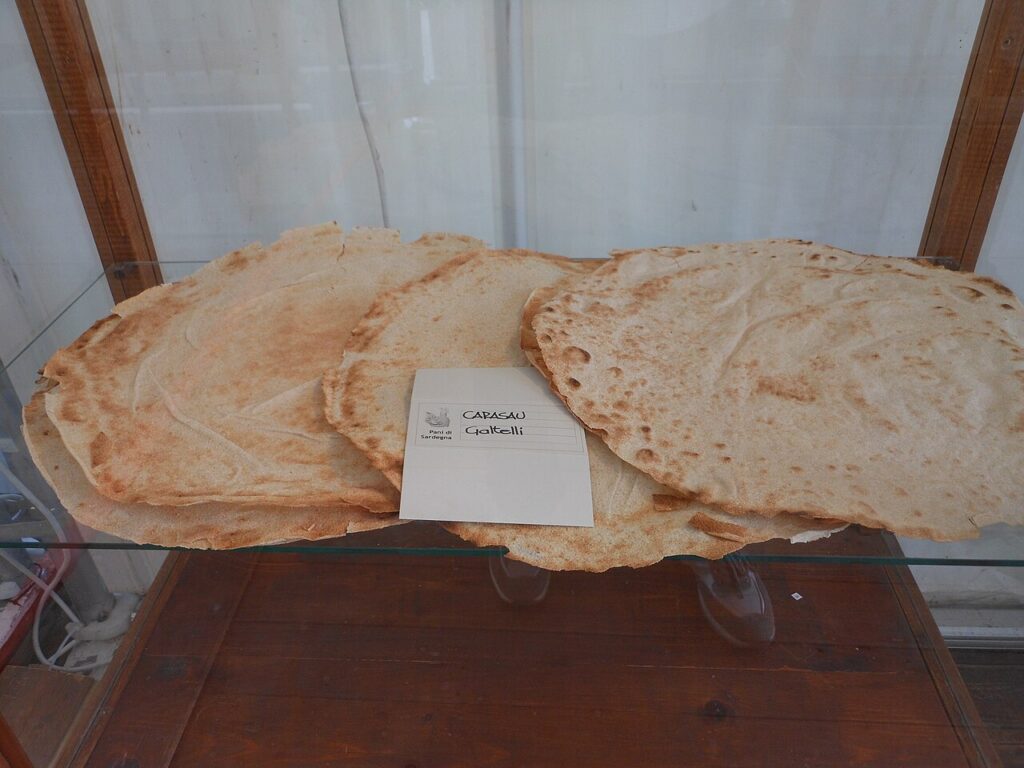
19. Pane carasau and pane guttiau – Carasau is the shepherds’ bread: paper-thin sheets baked twice, which keep for weeks. Brushed with olive oil and salt and warmed again in the oven, it becomes pane guttiau, perfect with an aperitif. In Barbagia every village has its own bakery: you can read its story on the pane carasau page.
20. Panadas – Closed savoury pies made with lard pastry, their edges crimped by hand. The best known are those of Oschiri, with lamb or pork, potatoes and peas, and those of Assemini, filled with eel. Cuglieri has its own festival dedicated to panadas.
21. Fainè – A thin flatbread of chickpea flour, water and olive oil, baked in a wood-fired oven. It arrived from Liguria and became a symbol of Sassari and Carloforte. In Sassari it is also eaten with onions, sausage or anchovies, especially in autumn and winter.
22. Fiore Sardo and pecorino – Sardinia is the land of sheep’s cheese. Fiore Sardo PDO is the cheese of Barbagia’s shepherds, made from raw milk and lightly smoked; Pecorino Sardo PDO can be mild or mature; and most Pecorino Romano PDO is actually produced in Sardinia. The Pecorino Sardo Consortium explains how to recognise the real thing.
23. Casu marzu – The island’s most controversial cheese: a pecorino left to ferment with the larvae of the cheese fly, which make it creamy and fiercely sharp. It is not sold commercially and is eaten only among family or friends; its story is on the casu marzu page.
To see how cheese is made, visit a dairy: on Ajò Sardegna you will find dairies and farms that welcome visitors. And if you want to learn to make pasta or bread with your own hands, look for a cooking class with a local home cook.
Sardinian desserts not to miss
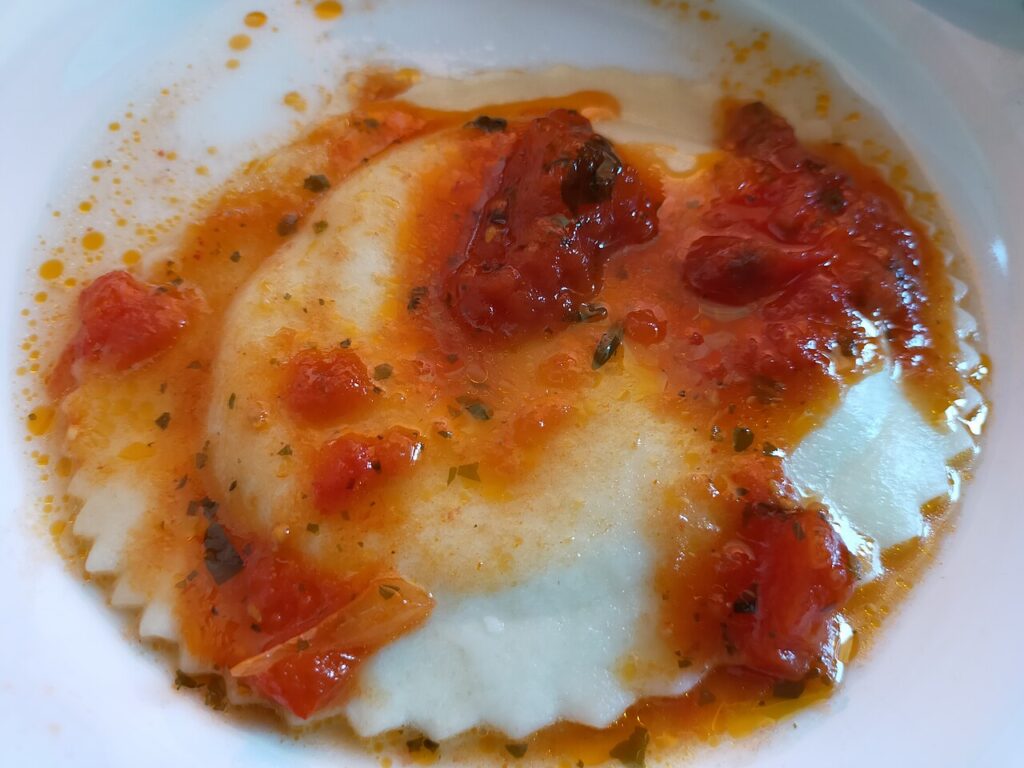
24. Seadas – Large semolina pastries filled with fresh, slightly sour sheep’s cheese and lemon zest, fried and drizzled with honey, ideally strawberry-tree honey. They are eaten hot, straight from the pan: Sardinia’s most famous dessert. Discover everything on the seadas page.
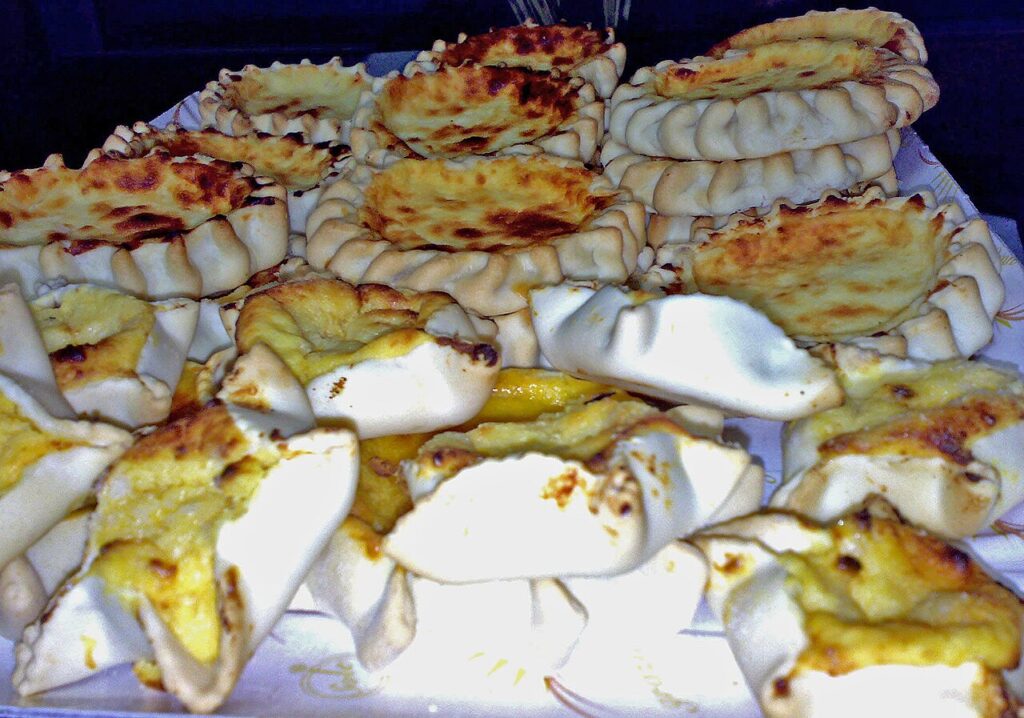
25. Pardulas – Small pastry cups filled with ricotta or cheese, saffron and orange zest, baked in the oven. In the Campidano they are called pardulas, elsewhere casadinas. They are an Easter sweet, but pastry shops sell them almost all year round.
Other sweets to try include papassinos with raisins, soft amaretti, Tonara nougat and the almond pastries made for weddings. To round off a Sardinian meal, pair them with a small glass of myrtle liqueur or Vernaccia di Oristano.
Traditional Sardinian food season by season
Sardinian cuisine follows the calendar of the fields and pastures, and many traditional Sardinian dishes have a precise season. Knowing it helps you choose what to order and avoid dishes that are out of season.
- Spring: lamb with wild fennel, wild asparagus, Sardinian spiny artichokes, pardulas and Easter sweets.
- Summer: fish, sea urchins only where fishing is allowed, lobster in Alghero, tomato salads and fresh cheese.
- Autumn: mushrooms, new olive oil, saffron, new wine, chestnuts and the village festivals of the Cortes Apertas.
- Winter: favata, bread soups, porceddu for the holidays, sea urchins and fresh sausage.
Cheese changes with the seasons too: fresh pecorino and ricotta are at their best in spring, when the sheep graze on new grass, while aged cheeses shine after months in the cellar. Always ask the producer when the wheel you are buying was made.
How to spot real Sardinian cuisine in a restaurant
In the busiest resorts you may find menus that promise traditional Sardinian food but serve quick, industrial versions. A few signs help you tell whether you are in the right place.
- A short menu: a few dishes that change with the seasons are almost always a guarantee of freshness.
- Handmade pasta: real culurgiones have an irregular wheat-ear pleat, not as perfect as a machine’s.
- Porceddu to order: anyone who spit-roasts it properly needs hours and only makes it on request.
- Local wines: a list with Cannonau, Vermentino, Monica and Carignano from local wineries is a good sign.
Don’t be afraid to ask: in Sardinia restaurant owners are happy to tell you where the cheese comes from or who made the pasta. Behind a dish there is often a grandmother, a shepherd or a fisherman from the village, and getting to know them is part of the pleasure of eating.
Where to eat traditional Sardinian food
The best place to taste traditional Sardinian food is at village food festivals. In autumn there are the Cortes Apertas of Autumn in Barbagia, with stops such as Atzara on 21 and 22 November and Gadoni on 28 and 29 November. Then there are festivals devoted to a single product, such as the Olive Festival in Gonnosfanadiga from 20 to 22 November and the Rassegna de S’Antunna in Macomer, dedicated to the cardoncello mushroom, on the same days.
If you love wine, the New Wine Festival in Dolianova runs from 8 to 15 November, while Saboris Antigus brings old-time flavours to Siurgus Donigala and nearby villages from 15 to 29 November. Saffron, an ingredient of malloreddus and pardulas, has its own celebration at the Saffron Festival in Turri on 22 November. In December, Santu Lussurgiu hosts Artes e Sabores.
A food journey: 5-day itinerary
If you want to taste the best of traditional Sardinian food in a single trip, here is a five-day itinerary that crosses the island from south to north.
- Day 1, Cagliari: fregula with clams, burrida and cassòla in the restaurants of the Marina district.
- Day 2, Campidano and Marmilla: malloreddus alla campidanese, pardulas and a visit to a saffron farm.
- Day 3, Ogliastra: handmade culurgiones and a winery visit for Cannonau.
- Day 4, Barbagia: lunch with shepherds, porceddu, pane carasau and Fiore Sardo.
- Day 5, Cabras and Alghero: bottarga in the Sinis and Catalan-style lobster at Alghero harbour.
Along the way stop at the wineries and tastings: traditional Sardinian dishes are at their best with local wines. All the food experiences are collected in the food and wine section.
Tips for enjoying Sardinian cuisine
- Follow the seasons: Sardinian cuisine changes a lot through the year: lamb is best in spring, mushrooms and new olive oil in autumn, and fish varies from month to month.
- Trust the small villages: inland trattorias often serve better food for less money than the coast.
- Order porceddu in advance: many restaurants only make it on request, a day ahead.
- Buy from producers: cheese, bottarga and bread can be bought directly from the farms, which often ship abroad too.
- Check closing days: out of season many restaurants in beach resorts stay closed.
If you are travelling in autumn, it is the month of saffron, new wine and new olive oil: browse the traditional festivals on the portal to find the right village for your dates.
Frequently asked questions about traditional Sardinian food
What is the most famous traditional Sardinian food?
Porceddu, roast suckling pig, is the best-known dish. Among the pasta dishes, malloreddus and culurgiones stand out; among the desserts, seadas with honey.
What do Sardinians eat for Sunday lunch?
In Sardinian families Sunday lunch often starts with fresh pasta, such as malloreddus or culurgiones, followed by roast meat, cheese and homemade sweets.
Can you buy casu marzu?
No, casu marzu is not sold in shops. It is made and eaten within families, so the only way to taste it is to be offered some by the people who make it.
Which traditional Sardinian dishes are suitable for vegetarians?
Culurgiones, malloreddus with tomato sauce, pane frattau, fregula with vegetables, suppa cuata and seadas are all good choices. Always ask whether the sauce or broth contains meat.
Taste Sardinia with the people who live there
You only really understand traditional Sardinian food at the table with the people who have always made it. On Ajò Sardegna you will find the Flavours pages, food festivals throughout the year and experiences run by local operators, whom you can contact directly, with no commission. If you don’t know where to start, ask Lia, the portal’s virtual assistant: she will suggest festivals, wineries and experiences based on the time of year and the area. Enjoy your meal, and ajò!
