Things to do in Orroli
Things to do in Orroli, Sardinia: Nuraghe Arrubiu, Su Motti park, canoeing on lakes Flumendosa and Mulargia, churches, Trenino Verde and travel tips.
We are gathering the first experiences for this area. Check back soon, or tell us about an operator you know.
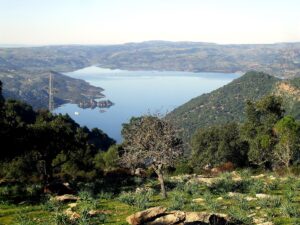
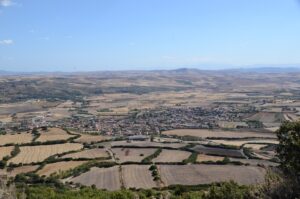
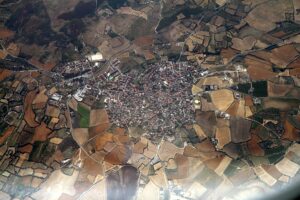
Orroli, Arrolli in Sardinian, is a village in the Sarcidano, in south-eastern inland Sardinia, on a plateau between two large lakes, the Flumendosa and the Mulargia. It's famous for Nuraghe Arrubiu, the "red giant", one of the greatest prehistoric monuments in western Europe, but it also offers a nature park with rock-cut tombs, old churches and lakes to explore by canoe. It's ideal for lovers of archaeology, nature and lake landscapes, just over an hour's drive from Cagliari.
What to see in Orroli
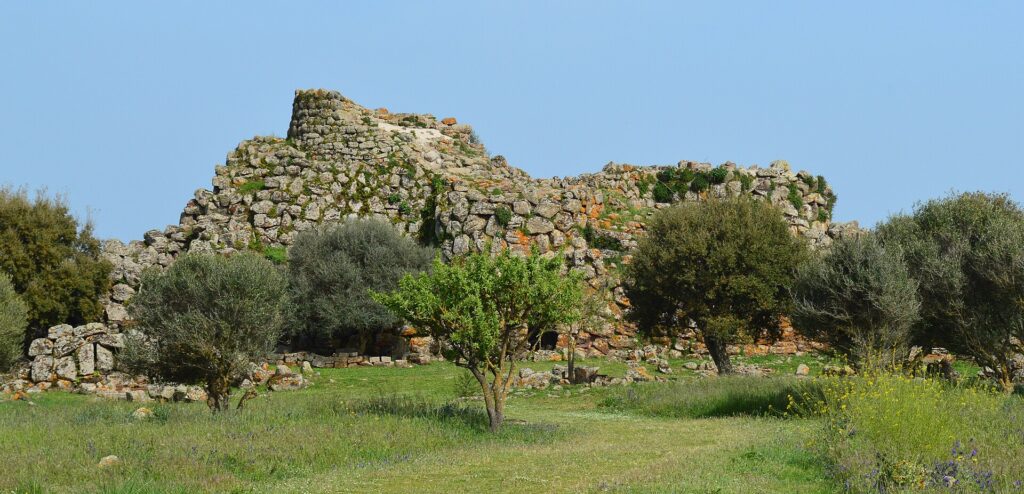
Nuraghe Arrubiu
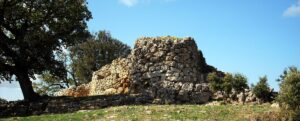
On the Su Pranu plateau stands Nuraghe Arrubiu ("red"), named after the rust-coloured lichens covering its stones. It's the only known five-lobed nuraghe: a central tower, now about 15 metres high but originally twice that, is ringed by a bastion of five towers and an outer wall with more towers, covering thousands of square metres. Built around the 14th century BC and lived in for centuries, it was reused by the Romans in the 2nd century BC as a winery. Walking through its courtyards, stairs, corridors and cisterns gives a real sense of the power of nuragic civilisation.
Casa del nuraghe Arrubiu
In the village, in an old manor house near the parish church, the museum devoted to the nuraghe displays finds from the Neolithic to the early Middle Ages and helps you picture life in and around the red giant.
Churches
The 16th-century parish church of San Vincenzo Martire keeps its Gothic-Aragonese look, a doorway with Moorish-style friezes and a massive bell tower in red porphyry. San Nicola, in the oldest quarter, was the first parish church: beneath its floor, remains of a 6th-century Christian church built on nuragic walls came to light. About 2 km away is the Gothic-Catalan country church of Santa Caterina.
Su Motti park
Above the village, Su Motti municipal park is a basalt amphitheatre covered in ancient holm and downy oaks. Some fifteen rock-cut tombs (domus de janas) are carved into the cliffs of Sa Corona Arrubia; there are also the Is Allonis and Su Motti nuraghi, the Sa Ucca Manna cave and viewpoints over Lake Mulargia and, on clear days, the Gennargentu and Sette Fratelli mountains.
Things to do in Orroli
The lakes are Orroli's second treasure. On the Flumendosa and the Mulargia you can take boat trips or go canoeing; the wide, sheltered Mulargia is also used for rowing. Su Motti park offers easy hikes for everyone among woods, ancient tombs and views, while the surroundings have tougher trails through gorges, waterfalls and caves. In summer the Trenino Verde on the Mandas–Arbatax line stops at Orroli and crosses spectacular scenery. To make the most of the area, check out the experiences offered by local operators, right below.
History
The area was inhabited in pre-nuragic and nuragic times, as the rock-cut tombs and many nuraghi show. Carthaginians and Romans followed. In the Middle Ages Orroli belonged to the Judicate of Cagliari; after 1258 it passed to Pisa and from 1324 to Aragon. In 1604 it became part of the duchy of Mandas and remained a fief until 1839. Nuraghe Arrubiu was first studied by a local enthusiast, Vittorio Anedda, while systematic excavations began in the 1970s.
What to eat and buy
Sarcidano cooking is simple and full of flavour: home-baked bread, fresh pasta, sheep's and goat's cheeses, roast meats, cured meats and almond sweets, with inland wines. The village keeps a lively craft tradition, with workshops in old manor houses: look for textiles, baskets and handmade objects.
Festivals and traditions
- Santa Caterina d'Alessandria (early June): the best-loved country festival, with three days of song and dance around the rural church, where people once slept on carts and under the porches.
- San Vincenzo Martire, the patron saint, honoured with religious rites and a village fair.
- Torneo dei Vicinati (August): a week of sports and games between the village's historic neighbourhoods.
Nearby
- Santa Vittoria nuragic sanctuary at Serri, on its Giara, about 20 minutes away.
- Sadali, with a waterfall right in the village and the Is Janas caves.
- Isili, with Nuraghe Is Paras and Lake Is Barrocus.
- Pranu Mutteddu necropolis at Goni, with dozens of menhirs.
Getting there and when to go
The nearest airport and port are in Cagliari, about an hour and a quarter by car. Drive along the SS128 towards the Sarcidano, or up from the Trexenta via Mandas. Spring is the most beautiful season, with green woods and full lakes; autumn is perfect for hiking; summer is hot but brings the Trenino Verde and village festivals. Visit the nuraghe in the morning or late afternoon.
FAQ
How long do I need for Orroli?
Half a day for Nuraghe Arrubiu and the museum; a full day if you want to add Su Motti park or a trip on the lake.
Is Orroli good for families?
Yes: kids love exploring the nuraghe, Su Motti's trails are easy and canoeing on the lake is great fun.
Is Nuraghe Arrubiu the largest in Sardinia?
It's among the largest and most complex, and the only one with five towers around its keep, which makes it special even among the most famous nuraghi.