Things to do in Esporlatu
Esporlatu, Sardinia: the smallest Goceano village, with the church of San Gavino, Murei and Erismanzanu nuraghi, local food and forests nearby.
We are gathering the first experiences for this area. Check back soon, or tell us about an operator you know.
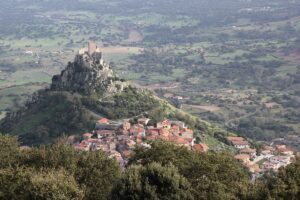
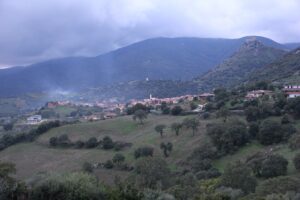
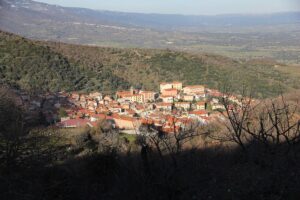
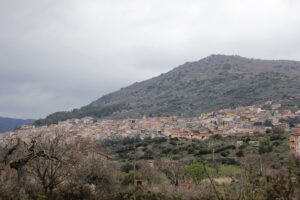
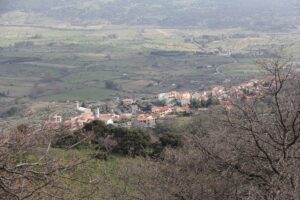
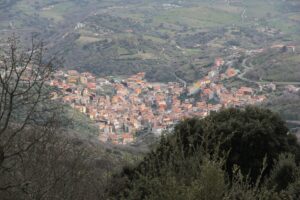
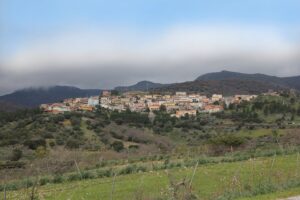
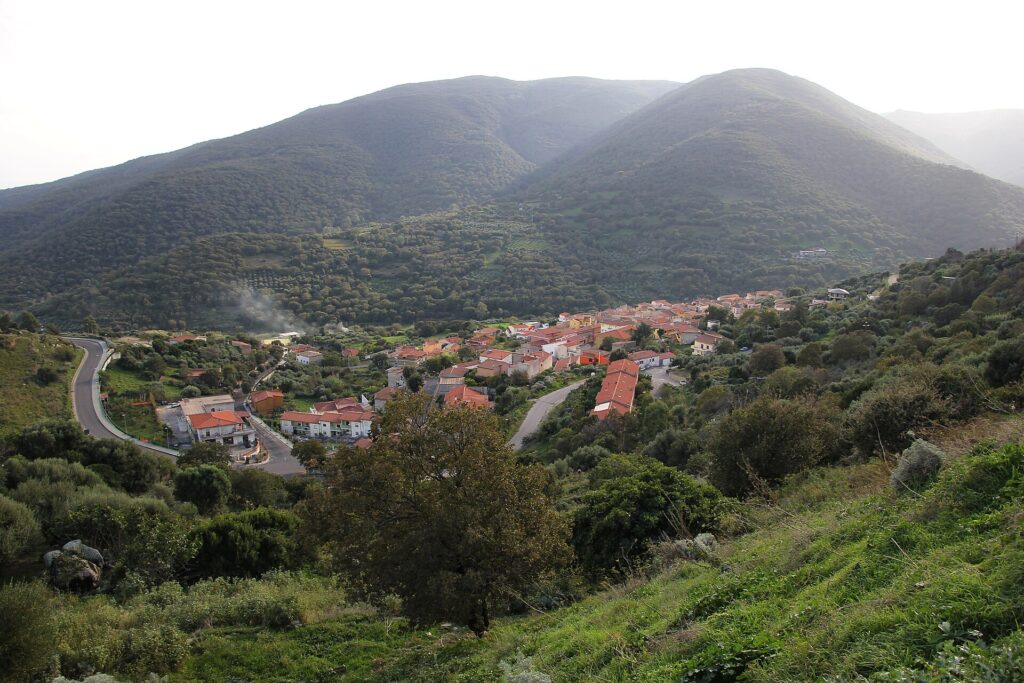
Esporlatu (Isporlatu in Sardinian) is the smallest municipality of the Goceano: just under 400 people in a gentle valley at almost 500 metres, just west of Burgos castle. It is a quiet village of stone houses, nuraghi and woods, ideal if you want silence, walks and farmhouse cooking, perhaps combined with nearby Burgos and Bottidda.
What to see in Esporlatu
Church of San Gavino
The medieval parish church, built of trachyte, is the landmark of the village. There is also the church of San Sebastiano, and out in the fields the little rural church of Santa Barbara.
Murei and Erismanzanu nuraghi
Nuraghe Murei overlooks the Tirso valley and is thought to be the village's likely origin. Nuraghe Erismanzanu keeps a well-preserved enclosure wall of trachyte blocks.
Things to do in Esporlatu
Esporlatu is a handy base for hiking or cycling in the Goceano forests: the Burgos forest, Monte Pisanu and the Sos Nibberos nature area, with its ancient yews, are all close by. Country lanes through pastures and oak woods are perfect for easy walks. Discover the experiences offered by local operators below to get to know the Goceano up close.
History
The area was inhabited in the Nuragic age. In the Middle Ages Esporlatu belonged to the Giudicato of Torres and the Goceano district; after 1259 it passed to Arborea and, from 1339, to the County of Goceano. Around 1420 it became an Aragonese royal fief and was freed in 1839 when feudalism ended. The lost village of Bortiocor, abandoned in Aragonese times, also stood here. Old records call the village Sperlato, Speralato or Sporlato. The coat of arms shows a tower, three cherries and a sheep.
Food and souvenirs
Cooking is simple and seasonal: sa piscadura, broad beans with lard; wild fennel sautéed in lard; boiled mutton. Traditional sweets include sos papassinos, sas mandagadas and sas orulettas.
Festivals and traditions
- Sant'Isidoro, patron of farmers: 10 May.
- San Gavino, the main feast: 25 October.
- Santa Lucia: 13 December.
Nearby
- Burgos: Goceano castle and the Museum of Sardinian Castles.
- Nuraghe Costa, near the Burgos forest.
- Bottidda and the Franciscan convent on Monte Rasu.
- Illorai: the Molia necropolis.
Getting there and when to go
Olbia and Alghero airports are about an hour and a half by car. Spring and autumn are the best seasons, with green woods and ideal walking weather; in late October the San Gavino feast livens up the village.
FAQ
How long do I need in Esporlatu?
A couple of hours for the village and nuraghi; a full day if you add Burgos and the forests.
Is Esporlatu good for families?
Yes: it is peaceful and surrounded by nature, with Burgos castle a few minutes away.
What should I taste in Esporlatu?
Sa piscadura, boiled mutton and traditional sweets such as papassinos.