Things to do in Sedilo
Sedilo, Sardinia: the San Costantino sanctuary and July Ardia horse race, Iloi Nuragic park, Ispiluncas tombs, Lake Omodeo and travel tips.
We are gathering the first experiences for this area. Check back soon, or tell us about an operator you know.
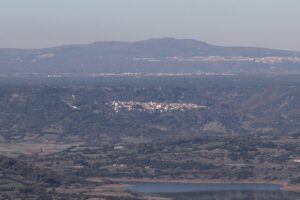
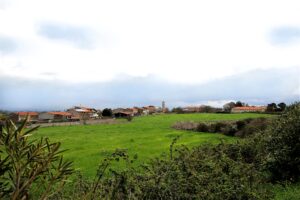
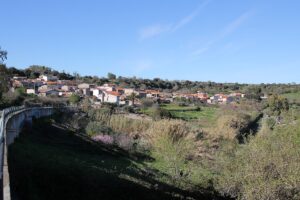
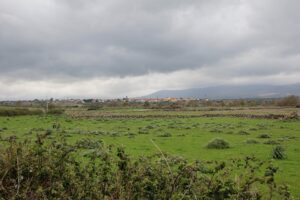
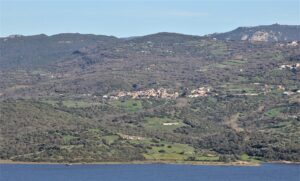
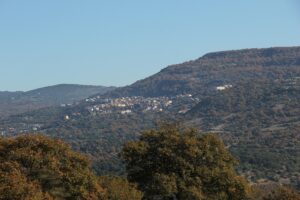
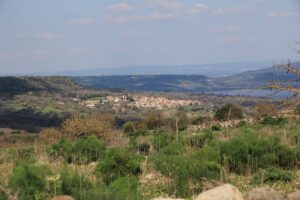
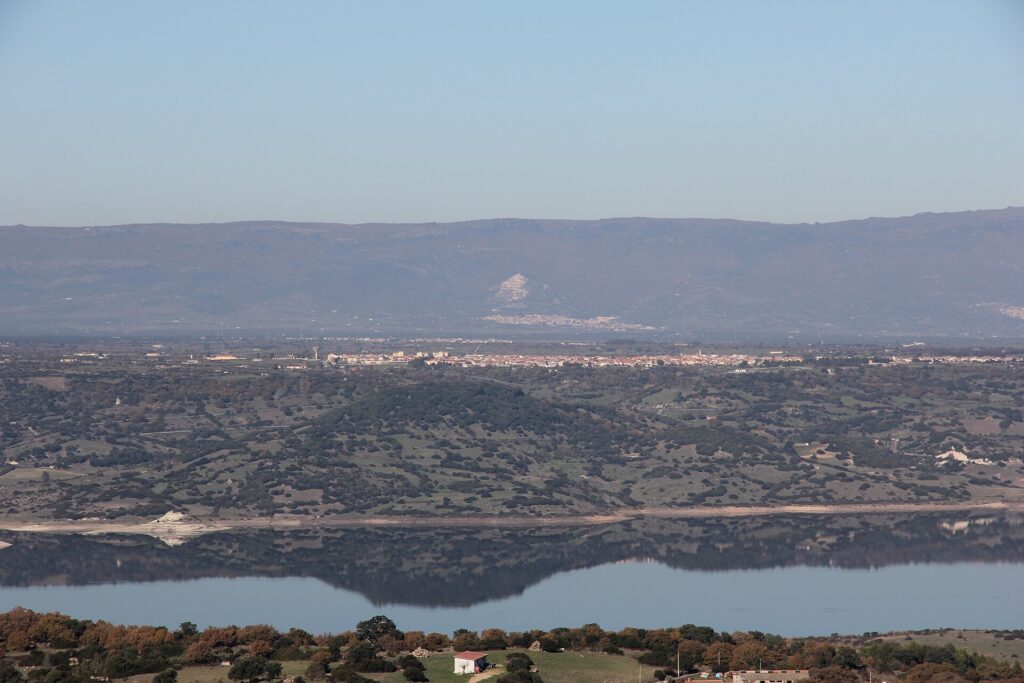
Sedilo is a village of just under two thousand people in the Guilcer area, province of Oristano, overlooking Lake Omodeo, the large reservoir created by damming the Tirso, Sardinia's longest river. It is known throughout the island for the Ardia, the wild horse race held every July around the sanctuary of San Costantino. But the territory, on the edge of the Abbasanta plateau, also holds a fine Nuragic archaeological park and peaceful lakeside landscapes. It is ideal if you love authentic traditions, archaeology and the nature of inland Sardinia.
What to see in Sedilo
The sanctuary of San Costantino
Just outside the village stands the sanctuary of Santu Antine, as the Roman emperor Constantine is called in Sardinia, where he is venerated as a saint in a cult of Byzantine origin. The church, medieval in origin, was rebuilt in the 17th century in Catalan-Gothic style and holds paintings, silverware, votive offerings and even Nuragic sculptures, including a perda fitta, a standing stone. Around it are the muristenes, pilgrims' cottages, which also house a small museum about the saint and the Ardia.
The Iloi archaeological park
On a hill overlooking the Tirso valley, the Iloi complex includes a three-lobed nuraghe (Bronze Age stone tower), a village and two giants' tombs, excavated by the University of Sassari. Nearby lies the Ispiluncas valley, with a necropolis of more than thirty domus de janas, rock-cut tombs, some of which can be visited, and the Nuragic spring of Puntanarcu.
The village and Lake Omodeo
In town you can visit the parish church of San Giovanni Battista and the churches of Sant'Antonio Abate and San Basilio. The village looks out over Lake Omodeo, its shores lined with poplars and willows.
Things to do in Sedilo
- Canoeing and kayaking on Lake Omodeo: the calm water is perfect for paddling among quiet inlets and water birds.
- Archaeological hiking: a walking route links Iloi, Ispiluncas and Puntanarcu, between dry-stone walls and pastures.
- Horse riding: in a village where horses are part of its identity, a ride through the countryside feels special.
- Cycling and walks: quiet roads across the plateau and along the lake, with wide views.
To explore the lake, the nuraghi and the countryside with people who know them well, check out the experiences offered by local operators just below.
History
The first Neolithic communities left the domus de janas; the Bronze Age added nuraghi, villages and giants' tombs. In Roman times a paved road crossed the area, and in the Byzantine era the cults of San Basilio and San Costantino arrived, still central to village life today. In the Middle Ages Sedilo belonged to the Judicate of Arborea, one of Sardinia's four medieval kingdoms; after the Aragonese conquest it passed through several feudal families until feudalism was abolished in 1839.
Food and shopping
The local economy is built on sheep farming, and the food is the shepherds' cooking of central Sardinia: pecorino and fresh cheeses, roast meats, rustic bread and traditional sweets made especially for festivals. Buying cheese straight from local producers is well worth it.
Festivals and traditions
The Ardia of San Costantino, on the evening of 6 July and at dawn on 7 July, is one of Sardinia's most thrilling events. A large group of riders gallops down the hill towards the sanctuary behind the prima pandela, the standard-bearer, and his escorts, while the other riders try to overtake him. The race recalls Constantine's victory at the Milvian Bridge in 312 AD, linked to his vision of the cross and the motto in hoc signo vinces. It is intense and dangerous: watch only from the designated areas and with great care. About eight days later the route is run again on foot. Other heartfelt feasts include the great bonfire of Sant'Antonio Abate in mid-January, the procession of Sant'Isidoro in mid-May with flower-decked carts and farm tools, and on 1 September the donkey parade and race for San Basilio.
Nearby
- Nuraghe Losa (Abbasanta): one of the island's most impressive nuraghi, about 15 minutes away.
- Santa Cristina (Paulilatino): the famous Nuragic sacred well, about 25 minutes away.
- Santu Lussurgiu and Montiferru: woods, springs and a stone-built old town, about half an hour away.
- Ghilarza: Antonio Gramsci's house museum and an Aragonese tower, a few minutes away.
Getting there and when to go
Sedilo is close to the Abbasanta junction, where the SS131 highway meets the road to Nuoro. Cagliari airport is about an hour and a half by car, Alghero about an hour and a quarter and Olbia about an hour and a half; the handiest ferry ports are Olbia, Porto Torres and Cagliari. The most exciting time is early July for the Ardia (book well ahead for those days). Spring and autumn are perfect for the archaeological sites and the lake.
Frequently asked questions
When is the Ardia of Sedilo held?
Traditionally on the evening of 6 July and early in the morning of 7 July, around the sanctuary of San Costantino.
Is Sedilo worth visiting outside the Ardia?
Yes: the sanctuary, the Iloi park, the Ispiluncas necropolis and Lake Omodeo are worth a visit in any season.
How much time do I need for Sedilo?
Half a day covers the sanctuary and Iloi; a full day lets you add the lake or the nearby Nuraghe Losa.