Things to do in Romana
Things to see in Romana, Sardinia: the cave sanctuary of San Lussorio, village churches, nuraghi and rock tombs, the Santu Giagu valley and feasts.
We are gathering the first experiences for this area. Check back soon, or tell us about an operator you know.
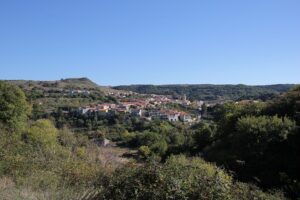
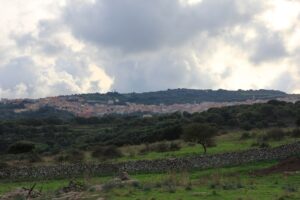
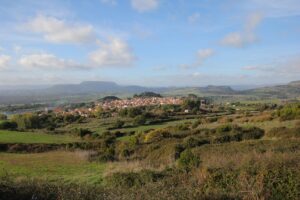
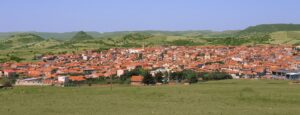
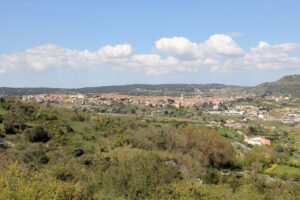
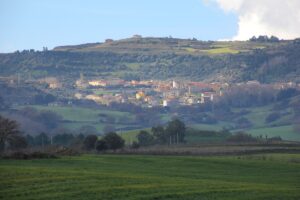
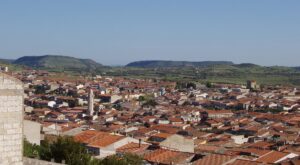
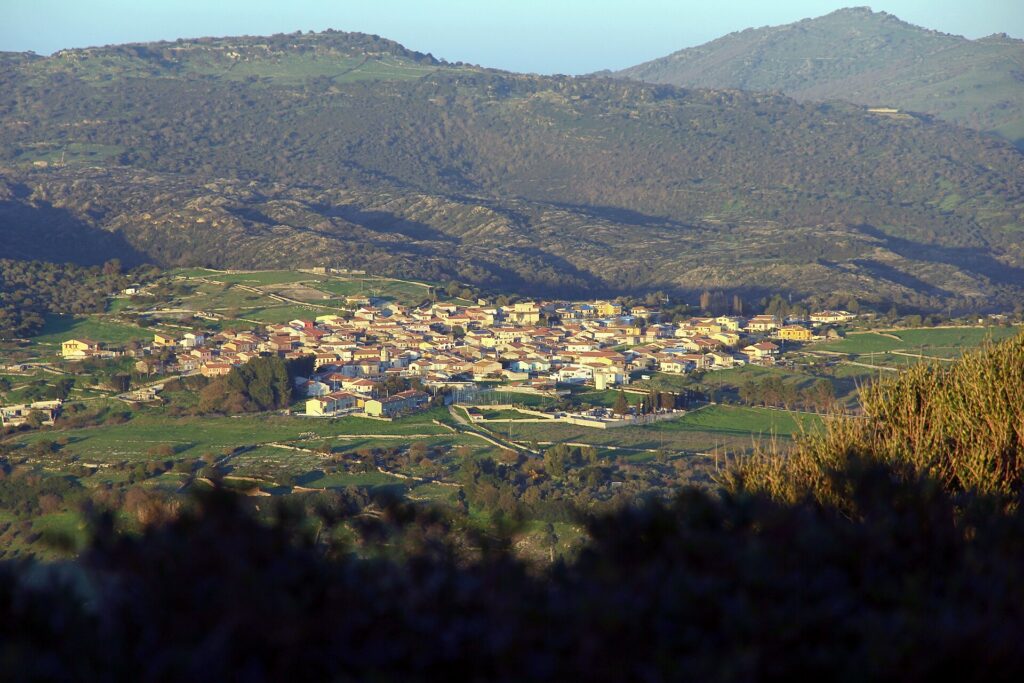
Romana is a small village in the Logudoro, in north-west Sardinia, set below 300 metres on a plateau of volcanic and limestone rock, about 35 km from Sassari and some 40 minutes' drive from Alghero. Its land, rich in springs, is crossed by the Temo river and hides caves, nuraghi and a sanctuary carved into the rock. It is a quiet stop for lovers of karst landscapes, country chapels and village festivals.
What to see in Romana
The sanctuary of San Lussorio
Out in the countryside, the church of San Lussorio is set inside a cave: tradition says the saint lived here as a hermit for seven years. It is the most evocative spot in the area and the focus of the summer feast.
The village churches
In the centre are the parish church of the Madonna degli Angeli and the small Romanesque church of Santa Croce. In the countryside stands Santa Maria de s'Ispidale, a 17th-century church dedicated to Our Lady of Health.
Nuraghi and rock tombs
The area keeps the nuraghi of Montigu, Chiechrios, Pabirra and Santu Giagu, plus the domus de janas (rock-cut tomb) of Monte Airadu, also called Sos Aladervos. Near the ancient spring of Abbarghente, used from nuragic to Punic-Roman times, figurines were found that are thought to be offerings from people seeking healing in its waters.
Inghiltidolzu cave
In the Santu Giagu valley lies the Inghiltidolzu cave, an example of the karst landscape typical of the area.
Things to do in Romana
- Walks in the Santu Giagu valley and along the Temo.
- Archaeology trails among nuraghi and rock tombs.
- A visit to the cave sanctuary of San Lussorio.
- Trips to Lake Temo and the village of Monteleone Rocca Doria.
Below you will find the experiences offered by local operators: pick yours and book.
History
The area was inhabited in the nuragic age, as its many nuraghi show. In the Middle Ages Romana belonged to the Judicate of Torres; after 1259 it passed to the Doria and, around the mid-14th century, to the Aragonese. It was then absorbed into the County of Monteleone, a fief of the Brunengo family, until it was bought out in 1839.
Food and local products
The table is that of the Logudoro: pecorino cheeses, ricotta, lamb and suckling pig, homemade breads and almond sweets made for feast days.
Festivals and traditions
- San Giovanni Nepomuceno, in mid-May.
- San Lussorio, in late July, at the cave sanctuary.
- Madonna degli Angeli, the patron, in early August.
- Sant'Antonio da Padova, in mid-September.
Nearby
- Monteleone Rocca Doria, about 2 km away, with its fortress and Lake Temo.
- Villanova Monteleone, about 6 km away, with Nuraghe Appiu and the Puttu Codinu necropolis.
- Thiesi, with the Mandra Antine necropolis and the Aligi Sassu museum.
- Mara and the sanctuary of Nostra Signora di Bonu Ighinu.
Getting there and when to go
The nearest airport is Alghero-Fertilia, about 40 minutes' drive; the ferry port is Porto Torres. Spring and autumn are ideal for walking; the main feasts fall in July and August.
FAQ
How long do I need for Romana?
Half a day for the village and San Lussorio; combine it with Monteleone Rocca Doria for a full day.
Is Romana near the sea?
No, it is inland: the Alghero and Bosa coast is under an hour's drive away.
Can I visit the cave church?
Yes, the sanctuary is in the countryside and comes alive above all during the late-July feast.