Things to do in Padria
Things to do in Padria, Sardinia: ancient Gurulis Vetus, the archaeological museum, Santa Giulia church, Roman bridges and Su Entale canyon.
We are gathering the first experiences for this area. Check back soon, or tell us about an operator you know.
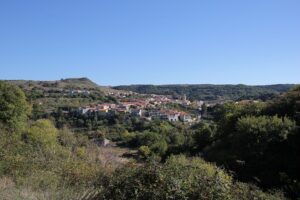
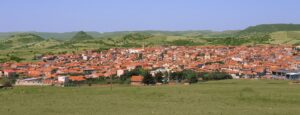
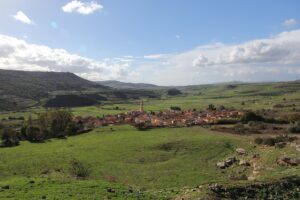
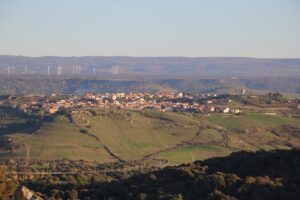
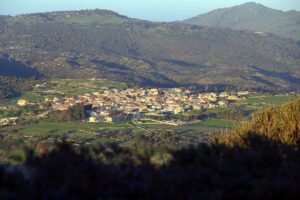
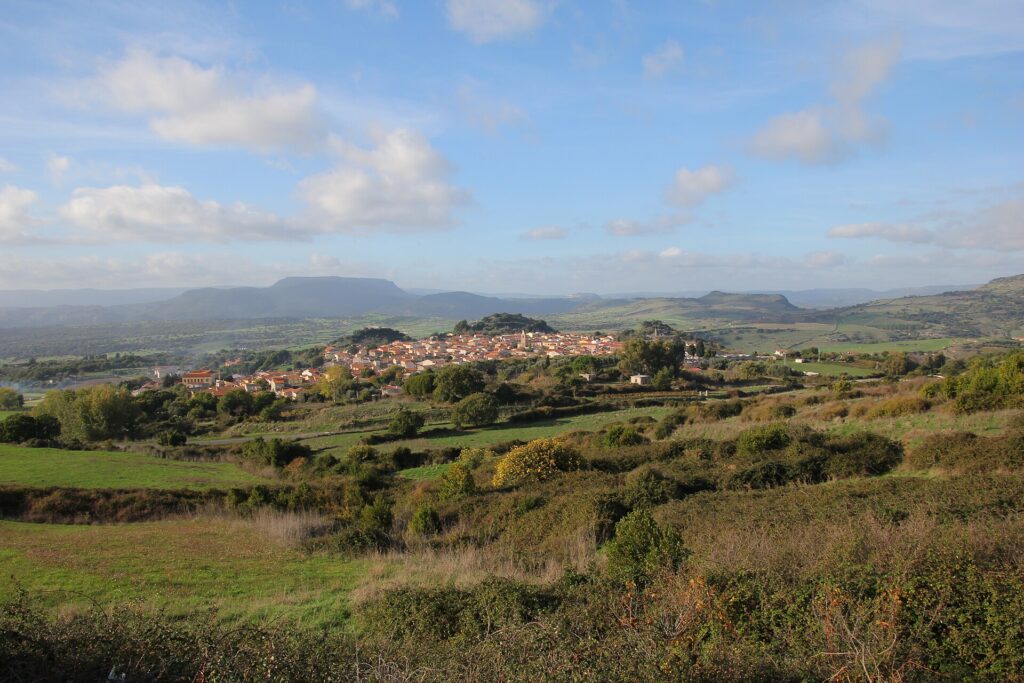
Padria is a village of about 580 people in the Meilogu, in the Temo river valley, some 50 km from Alghero and 60 km from Sassari. It sits at the foot of three hills, San Giuseppe, San Paolo and San Pietro, and has a surprising past: this was Gurulis Vetus, a Punic and Roman town. Archaeology, stone mansions and a canyon with waterfalls make it a great stop for curious travellers and hikers.
What to see in Padria
Civic Archaeological Museum
Housed in the old village granary, it displays finds from the Neolithic (Ozieri culture) to Punic and Roman times, including many votive terracottas dating from the 3rd century BC to the 3rd century AD.
San Paolo hill and su Palattu
On the hill above the village stands a bastion about 65 metres long, the ruin of a Punic-era fortress. In the 16th century the De Ferrera barons built their mansion here, known as su Palattu.
Church of Santa Giulia
The parish church, rebuilt in 1520, is a fine example of Iberian-influenced Gothic: a single nave of five cross-vaulted bays and a decorated portal. The village also has the churches of Santa Maria degli Angeli, Santa Croce and San Giuseppe, plus lintels carved by local stonemasons, the picapedras, in Catalan style.
Nuraghi and Roman bridges
The area has about 40 nuraghi, almost one per square kilometre, mostly single towers; Nuraghe Longu is a complex. Three bridges of Roman origin cross the Temo: Ettòri, Ulumu and Enas.
Things to do in Padria
The canyon of the Su Entale stream, about two kilometres long with lovely waterfalls, is the hikers' favourite. There are trekking and mountain-bike routes through the Temo valley and the hills, while the winding SS 292 road to Bosa is popular with motorcyclists. Find the local operators' experiences below to explore Padria and the Meilogu with a guide.
History
Rock-cut tombs, giants' tombs and nuraghi reveal Neolithic and Nuragic settlement. The site is identified with Gurulis Vetus, mentioned by the geographer Ptolemy; tradition says its people later founded Gurulis Nova, today's Cuglieri. The Romans built the Temo bridges and mined silver at Salghertalzu. In the Middle Ages Padria was the chief town of the Cabuabbas district in the Giudicato of Torres; it later passed to the Doria and the Aragonese until it was freed from feudalism in 1839.
Food and souvenirs
Cooking is Meilogu shepherd fare: pecorino cheeses, ricotta, lamb and traditional breads, with local wines.
Festivals and traditions
- Sant'Antonio Abate: 17 January.
- San Giuseppe: 19 March.
- Santa Giulia, the patron saint: 22 May.
Nearby
- Bosa and its sea, down the Temo valley.
- Pozzomaggiore and its Horse Museum.
- Mara and the sanctuary of Bonu Ighinu.
- Monteleone Rocca Doria and Lake Temo.
Getting there and when to go
Alghero airport is about an hour's drive; Sassari and the port of Porto Torres are just over an hour. The sea at Bosa is about 40 minutes away. Spring and autumn are perfect for the canyon and trails; in summer you can combine village and coast.
FAQ
How long do I need in Padria?
Half a day for the museum and village; a full day with the Su Entale canyon.
Is Padria by the sea?
No, it lies inland, but the beaches of Bosa are about 40 minutes by car.
What was Gurulis Vetus?
A Punic and Roman settlement mentioned by Ptolemy, identified with the area of present-day Padria.