Things to do in Mara
Things to do in Mara, Sardinia: the Bonu Ighinu sanctuary, the prehistoric Filiestru and Tintirriolu caves, nuraghi and San Giovanni church.
We are gathering the first experiences for this area. Check back soon, or tell us about an operator you know.
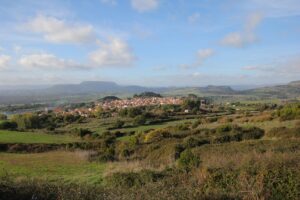
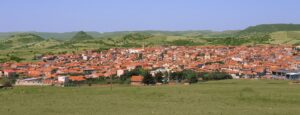
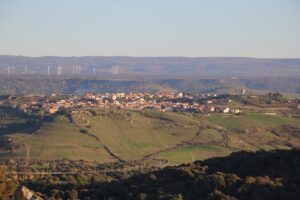
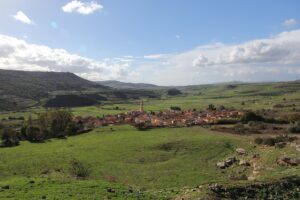
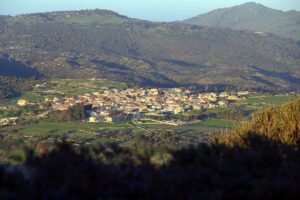
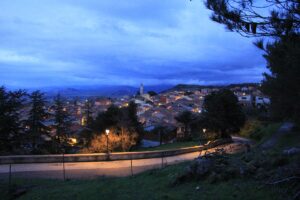
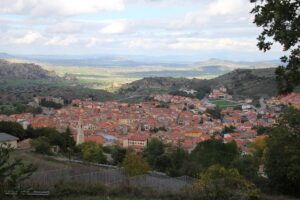
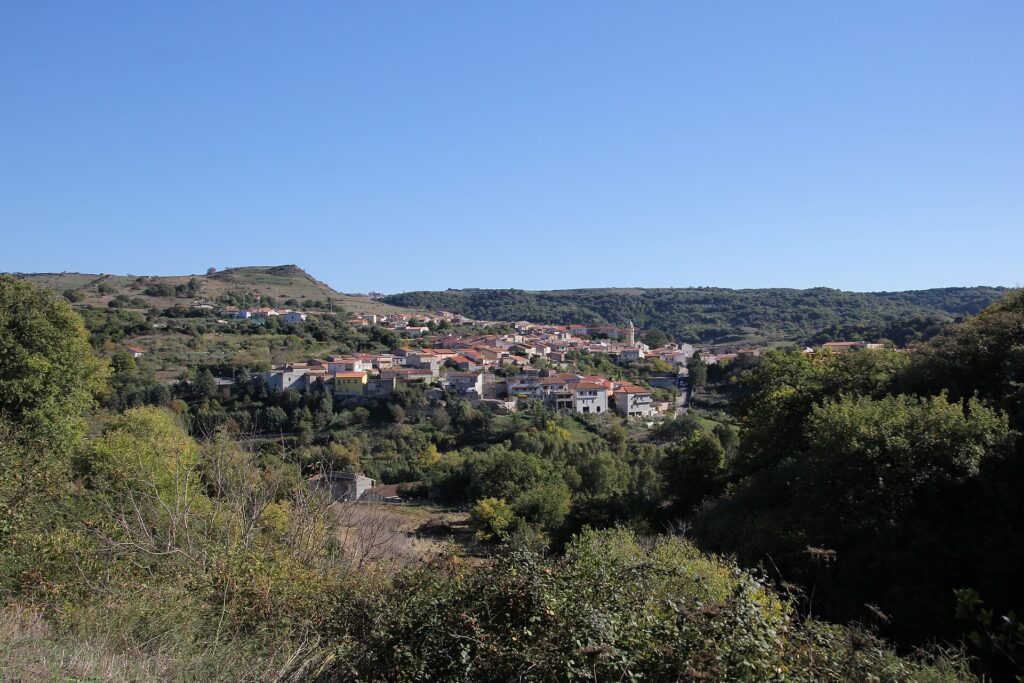
Mara is a village of about 530 people in the Meilogu, on a plateau among hills and valleys covered in Mediterranean scrub, roughly 50 km from Sassari and Alghero. Its name is tied to one of the oldest chapters of Sardinian prehistory: the caves in its territory gave their name to the Bonu Ighinu culture of the Middle Neolithic. A country sanctuary, caves and nuraghi make it a great stop for lovers of archaeology, nature and folk devotion.
What to see in Mara
Sanctuary of Nostra Signora di Bonu Ighinu
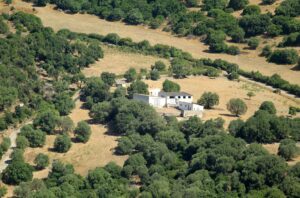
On a hill between two ridges, the sanctuary was enlarged in the 1600s and restored in 1797. It has a Rococo façade and three Baroque wooden altars inside. Around it stand the cumbessias, pilgrims' lodgings, with loggias and small mansions. Legend says the Virgin appeared to restore peace between quarrelling neighbouring communities.
Filiestru and Sa Ucca de su Tintirriolu caves
The «bat's mouth» cave and the Filiestru cave were inhabited from the 6th millennium BC to the late Bronze Age. The main cave has a gallery with vaults 20–25 metres high, stalactites, stalagmites and an underground stream. The finds are kept in the Sanna Museum in Sassari.
Village churches
The 18th-century parish church of San Giovanni Battista has a Gothic-Aragonese bell tower, a Baroque façade, wooden altars, a 17th-century altarpiece and 18th-century paintings. In the old part of the village is the 17th-century church of Santa Croce.
Nuraghi and castle
The area has 17 nuraghi, some well preserved such as Tomasu and Coladolzos, plus the settlement of sa Mura. On a summit lie the ruins of the medieval castle of Bonu Ighinu.
Things to do in Mara
The hills around the village and Monte Traesu to the north, one of the Meilogu's volcanic craters, offer lovely walks through scrub and pastures. A route linking the sanctuary, the caves (ask locally or go with a guide) and the nuraghi covers millennia of history in a few kilometres. Discover the experiences offered by local operators below.
History
The caves show human presence since the Neolithic; several nuraghi rose in the Nuragic age. The village grew up around the 14th century near the castle of Bonu Ighinu, probably built by the Doria in the late 1200s, later held by Arborea and the Aragonese, who dismantled it in 1432. Mara then became part of the barony of Bonvehì; in 1790 it passed to the Amat family and in 1839 it was freed from feudalism.
Food and souvenirs
Traditions are agro-pastoral, documented in a local centre on rural life: sheep's cheese, ricotta, meats and Meilogu breads.
Festivals and traditions
The main feast is that of the Madonna di Bonu Ighinu in late September, when the sanctuary and cumbessias fill with pilgrims.
Nearby
- Pozzomaggiore: Horse Museum and the Ardia.
- Padria: archaeological museum and Su Entale canyon.
- Semestene and San Nicola di Trullas.
- Bosa and the sea.
Getting there and when to go
Alghero airport is about an hour's drive, as are Sassari and the port of Porto Torres. Spring and autumn are ideal; in late September the sanctuary feast is a special occasion.
FAQ
How long do I need in Mara?
Half a day for the village and sanctuary; longer if you add caves and nuraghi.
What is the Bonu Ighinu culture?
A Middle Neolithic culture of Sardinia, named after the finds in Mara's caves.
Is Mara good for families?
Yes: the sanctuary, caves and open countryside are a great discovery for kids too.