Things to do in Paulilatino
Things to do in Paulilatino, Sardinia: the Santa Cristina sacred well, nuraghi and giants' tombs, Palazzo Atzori museum, festivals, food and tips.
We are gathering the first experiences for this area. Check back soon, or tell us about an operator you know.
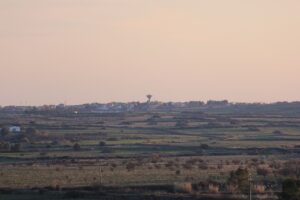
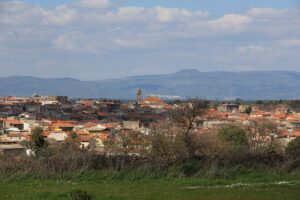
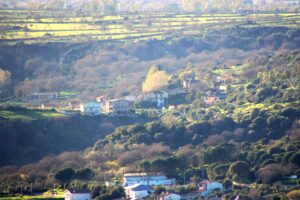
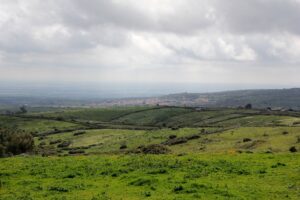
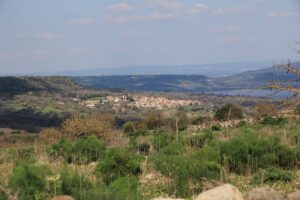
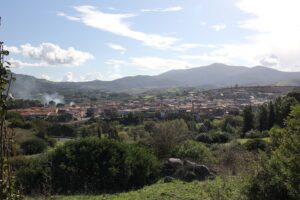
Paulilatino is a village of around two thousand people in central-western Sardinia, in the province of Oristano, set on the southern edge of the basalt plateau of Abbasanta, right next to the island's main SS131 highway. It is best known for the Nuragic sanctuary of Santa Cristina, home to one of the most beautiful and best-preserved sacred wells in Sardinia. Yet the whole area is an open-air museum, with more than a hundred nuraghi (Bronze Age stone towers), giants' tombs and rock-cut graves scattered among olive groves and pastures. It is a perfect stop for archaeology lovers, slow walkers and anyone looking for the authentic Sardinia of inland villages.
What to see in Paulilatino
The Nuragic sanctuary of Santa Cristina
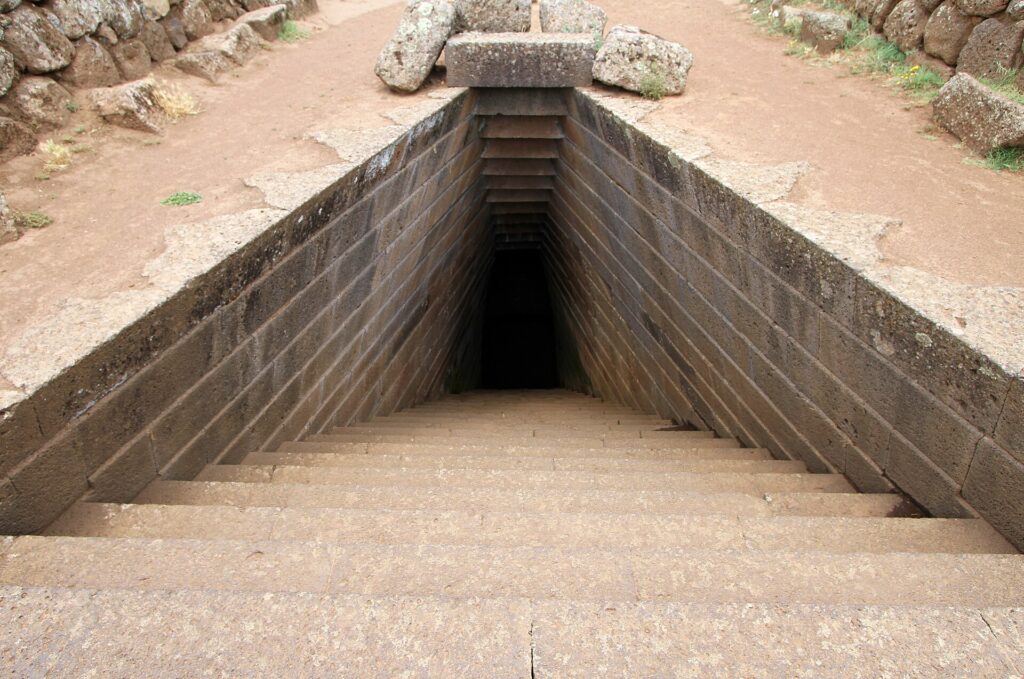
About 4 km from the village, in a park of ancient olive trees, lies the area's most important archaeological site. Its heart is the well temple, dated to around the 9th–8th century BC: a staircase of perfectly cut stones leads down to the chamber where water rises, beneath a corbelled dome that opens to the sky. The geometric harmony is striking, and many consider it the masterpiece of Nuragic sacred architecture. Around the well you can see the sacred enclosure and a large meeting hut. A short walk south-west brings you to a single-tower nuraghe and the remains of a Nuragic village. The site also has the small medieval country church of Santa Cristina and the cumbessias (or muristenes), little houses where pilgrims once stayed during religious novenas.
Nuraghi, giants' tombs and domus de janas
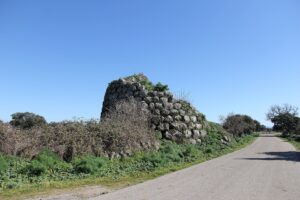
Few places in Sardinia have such a density of ancient monuments. Well-known nuraghi include Lugherras, Atzara, Campischeddu and Mura Olia, while the giants' tombs of Goronna are among the most famous. There are also several domus de janas, "fairy houses": pre-Nuragic tombs carved into rock, such as those of Berenales and Binzales.
The old town and the Palazzo Atzori Museum
The village centre is built of dark basalt, with courtyard houses and stone doorways. The parish church of San Teodoro dates to the 16th century and shows Catalan-Gothic features. On Via Nazionale, the 18th-century Palazzo Atzori houses the Archaeological and Ethnographic Museum, opened in 1995: one floor covers local excavations, another rural life, with a reconstructed traditional home, furniture and farm tools.
Things to do in Paulilatino
Paulilatino is made for slow travel, mixing archaeology and nature:
- Guided archaeological tours: with a guide, the Santa Cristina well truly comes alive, from the ritual role of water to its links with the sky.
- Hiking and cycling on the plateau: country lanes and dirt tracks between dry-stone walls, cork oaks and olive trees lead from one nuraghe to the next.
- Nuragic itineraries: in half a day you can pair Santa Cristina with the nearby Nuraghe Losa in Abbasanta, two of Sardinia's key sites.
- Food experiences: cheese, traditional bread and pastries tasted straight from the people who make them.
To explore the area with people who really know it, browse the experiences offered by local operators just below.
History
People have lived here since prehistory: the domus de janas belong to pre-Nuragic communities, while in the Bronze Age the land filled with nuraghi, villages and shrines like Santa Cristina. In Roman times the settlement of Paulis Lactea appeared, giving the village its name. In the Middle Ages Paulilatino belonged to the Judicate of Arborea, one of Sardinia's four medieval kingdoms. After its fall, locals resisted the new Aragonese lords; the village then passed between feudal holders until 1838, when it bought its freedom and became an independent municipality.
Food and local products
Farming and shepherding traditions shine at the table. Local cheeses include caciotta, dolce paulese and musinau, a kind of pecorino. Bread follows the village calendar: su coccoi de tzicchi for everyday use and su lazzaru for festivals. Good souvenirs are hand-woven textiles, a craft still passed down here, and olive oil from the surrounding countryside.
Festivals and traditions
The most heartfelt festival is that of Santa Maria Maddalena in late July. On the Tuesday after Pentecost, the village celebrates Nostra Signora d'Itria with a procession in traditional dress and goccius, sacred songs in Sardinian. At Santa Cristina, pilgrims still gather for novenas and stay in the cumbessias, keeping the sanctuary alive.
Nearby
- Nuraghe Losa (Abbasanta): a few minutes' drive away, one of the island's most impressive complex nuraghi.
- Lake Omodeo and Sedilo: the large reservoir on the Tirso river and the sanctuary of San Costantino, home of the Ardia horse race.
- Santu Lussurgiu and Montiferru: woods, the springs of San Leonardo de Siete Fuentes and the Sos Molinos waterfalls.
- Oristano and the Sinis: about half an hour by car, with ancient Tharros and the west coast beaches.
Getting there and when to go
Paulilatino lies on the SS131 Carlo Felice highway, about an hour and a quarter by car from Cagliari airport and about an hour and a half from Alghero; Olbia is further away. The village also has a railway station on the Cagliari–Golfo Aranci line. The most convenient ferry ports are Cagliari, Porto Torres and Olbia. Spring is the best time, when the countryside is green and in bloom, followed by autumn's mild weather; in summer, visit the sites early in the morning or towards evening.
Frequently asked questions
How long does a visit to the Santa Cristina well take?
Around an hour and a half covers the well, the village and the nuraghe; add the Palazzo Atzori museum and a stroll through town and you have half a day.
Is Paulilatino good for families?
Yes: the Santa Cristina site is flat, shaded by olive trees and very popular with children, who can walk down the well's staircase with their parents.
Is Paulilatino near the sea?
It is an inland village. The nearest beaches, on the Gulf of Oristano and the Sinis peninsula, are about 40 minutes away by car.