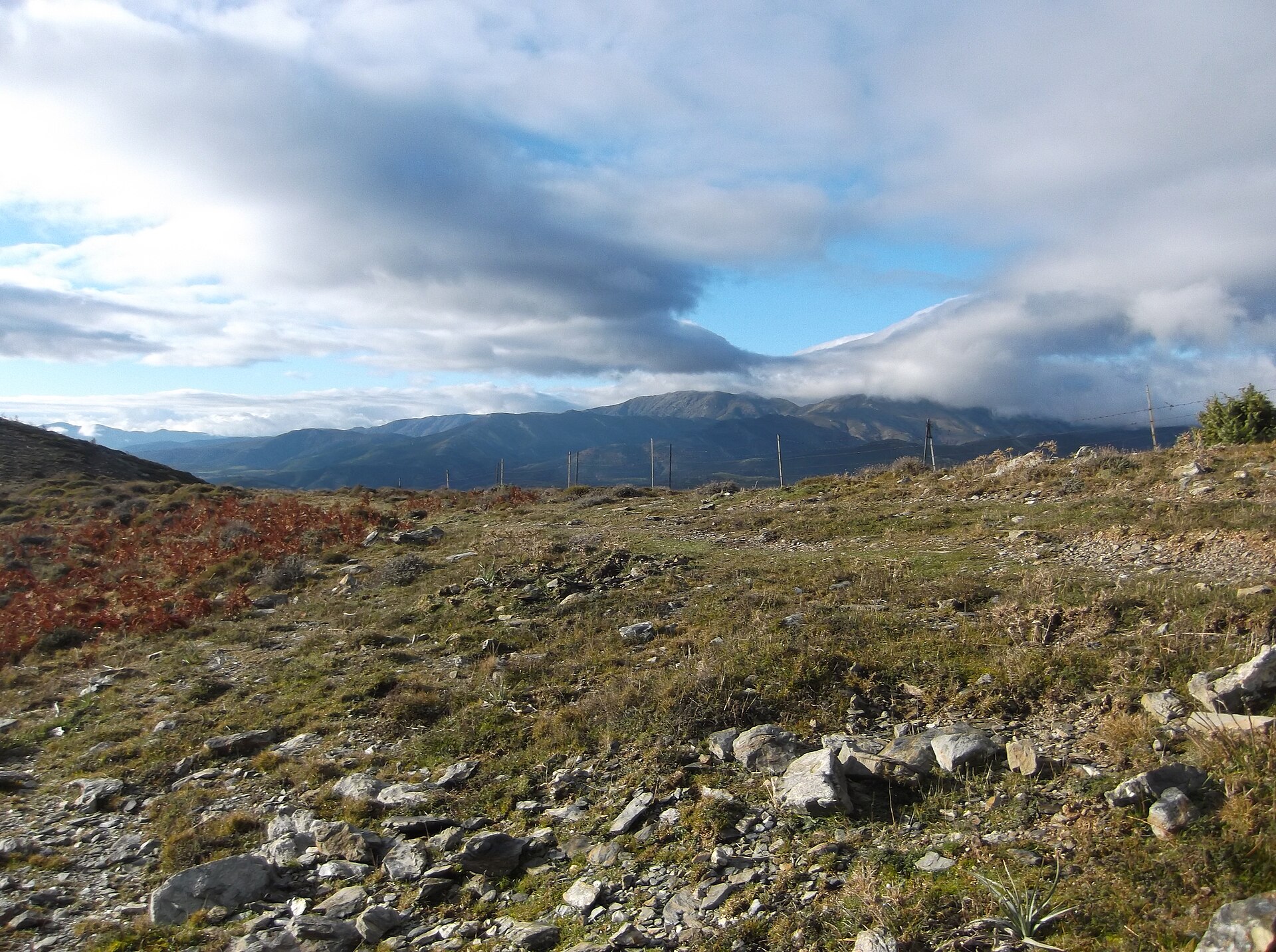
Sardinia Blue Zone: that is the name the world now gives to the mountains of Ogliastra and Barbagia, where people live longer than almost anywhere else. Here, in villages of a few hundred or a few thousand inhabitants, reaching a hundred is not a front-page exception, and men live almost as long as women, something extremely rare in the rest of the world.
In this article we explain what the Blue Zone in Sardinia is, who discovered it, which villages belong to it and the 7 secrets that researchers point to behind the longevity of Sardinian centenarians. Plus the records of Perdasdefogu and Villagrande, the doubts raised by research and an itinerary for visiting Ogliastra with the operators of Ajò Sardegna.
Contents
What is a Blue Zone
The expression Blue Zone was actually born in Sardinia. In the early 2000s the Sardinian doctor Gianni Pes, of the University of Sassari, and the Belgian demographer Michel Poulain studied the civil registers of the island’s municipalities in search of centenarians. On the map they circled in blue the area where there were the most: it was 2004, and the name was born from that circle.
The American journalist Dan Buettner, with a 2005 National Geographic feature and then with his books, made the concept famous all over the world. Today there are five main Blue Zones: as well as Sardinia, the island of Okinawa in Japan, Ikaria in Greece, the Nicoya Peninsula in Costa Rica and the community of Loma Linda in California.
Where is the Blue Zone in Sardinia
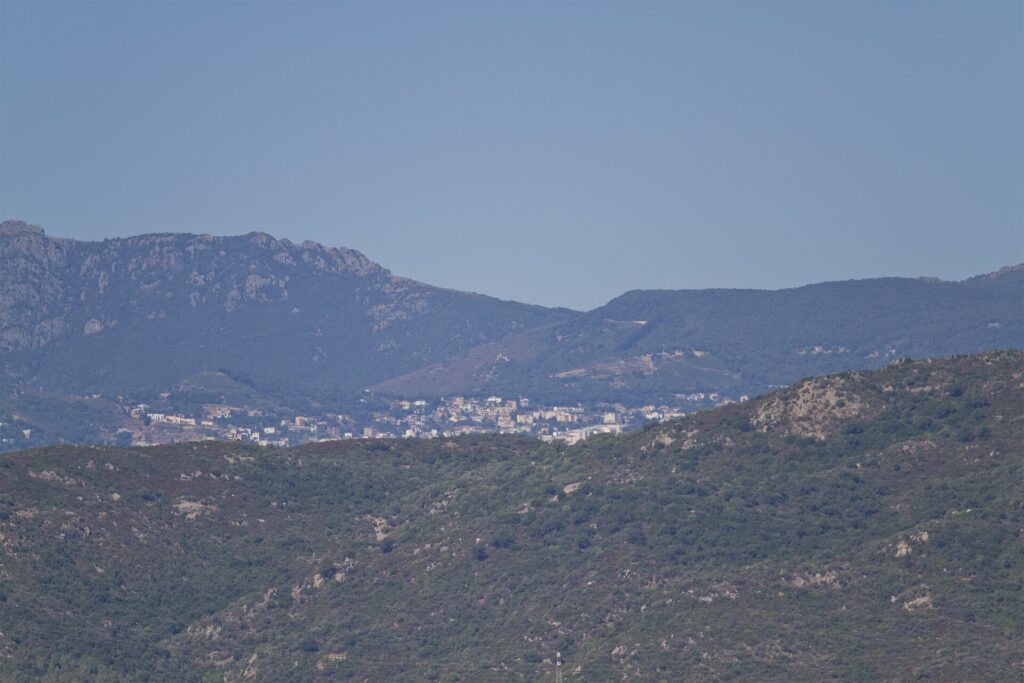
The Blue Zone in Sardinia is not the whole island, but a mountain area between Ogliastra and Barbagia and the Nuoro area, on the slopes of the Gennargentu. These are hilltop villages, isolated for a long time, where until a few decades ago people lived from sheep farming and subsistence agriculture.
The municipalities most often mentioned in studies include Villagrande Strisaili, Arzana, Talana, Baunei, Urzulei and Triei in Ogliastra, Seulo in the Barbagia di Seulo, Perdasdefogu in the Salto di Quirra and Barbagia villages such as Ovodda and Fonni. The exact boundaries vary from study to study, but the heart is always the same: the mountains of Ogliastra.
The landscape helps you understand. Roads climb in hairpin bends through holm oak woods, pastures and limestone walls; the villages are built on slopes, with narrow houses and steep streets that make you walk uphill even just to get to the café. For centuries these communities stayed far from the main routes, and only in the 20th century did paved roads link them to the coast.
The Sardinia Blue Zone and the other Blue Zones of the world
Each Blue Zone has its own story, but some similarities keep coming up. In Okinawa, Japan, the traditional diet is rich in vegetables and soy, and older people talk about ikigai, the reason to get up in the morning. In Ikaria, Greece, people eat pulses, wild greens and olive oil, and an afternoon rest is a habit.
On the Nicoya Peninsula in Costa Rica, family and physical outdoor work matter a lot; in Loma Linda, California, longevity is linked to the Seventh-day Adventist community, which follows a largely vegetarian diet. The Sardinia Blue Zone is the only one where male longevity is so marked, as Pes himself stresses in an interview with the Italian news site Open.
In 2023 the documentary series Live to 100: Secrets of the Blue Zones, presented by Dan Buettner, brought the mountains of Ogliastra back in front of an international audience. Since then more and more travellers have been coming to the villages of the area, curious to understand.
The 7 secrets of Sardinian centenarians
There is no magic formula. Researchers who have been working on the Sardinia Blue Zone for twenty years point to a combination of factors, linked to the lifestyle, environment and history of these communities. Here they are, with the caution that science requires.
1. Walking every day, uphill. For generations the men of these villages were shepherds: they followed their flocks for kilometres, on steep paths, every day of the year. Constant, moderate physical activity: not intense sport, but movement as part of life. The women too, between the house, the vegetable plots and the fields, were never still.
2. A simple diet. Traditional cooking was frugal and seasonal: pulses, vegetables from the garden, cereals, pane carasau, sheep’s and goat’s cheese. Meat was eaten mainly on feast days. Little sugar, few processed foods, lots of homemade things.
3. A glass of red wine. A glass of wine was almost always part of the meal, often Cannonau made by the family. In moderation, always at the table and in company. If you want to get to know it better, visit the wineries and tastings on Ajò Sardegna.
4. Family close by. In the Blue Zone villages, older people almost always live at home, with their children and grandchildren, rather than in distant care homes. They remain an active part of the family: they advise, tell stories, help out. In Perdasdefogu, in 2022, seven out of eight centenarians lived with their families.
A chent’annos! (May you live to a hundred!)
Traditional Sardinian toast
5. Community. In small villages everyone knows each other, people greet each other in the street and meet in the square, at church, at festivals. Loneliness, a problem for older people in many cities, is rarer here. The sense of belonging is strong and the elderly are respected.
6. A strong character. Those who have interviewed Sardinian centenarians often describe stubborn, witty people, used to hard work and hardship. Life in the mountains was not easy, and it selected for a certain resilience, both physical and mental.
7. Isolation and genetics. According to Gianni Pes, the geographical and cultural isolation of these communities favoured the preservation of rare genetic variants. Genes alone do not explain everything, but together with lifestyle they are part of the secret.
Why men live long here too
What struck researchers most is male longevity. In almost every part of the world women live much longer than men, and they make up the vast majority of centenarians. In the mountains of Ogliastra, by contrast, the ratio between male and female centenarians is much more balanced.
Villagrande Strisaili was recognised in 2010 as the municipality with the world record for male longevity. There are several hypotheses: the shepherds’ outdoor work, diet, the role of older men in the family, perhaps genetic factors too. Studies are still ongoing.
There is also a social side. In shepherding villages the older man remained a point of reference: keeper of the pasture boundaries, of the stories and of the community’s rules. Many Sardinian centenarians kept tending the vegetable garden or the animals until late in life, holding on to a role and a daily routine.
The records of the Sardinia Blue Zone
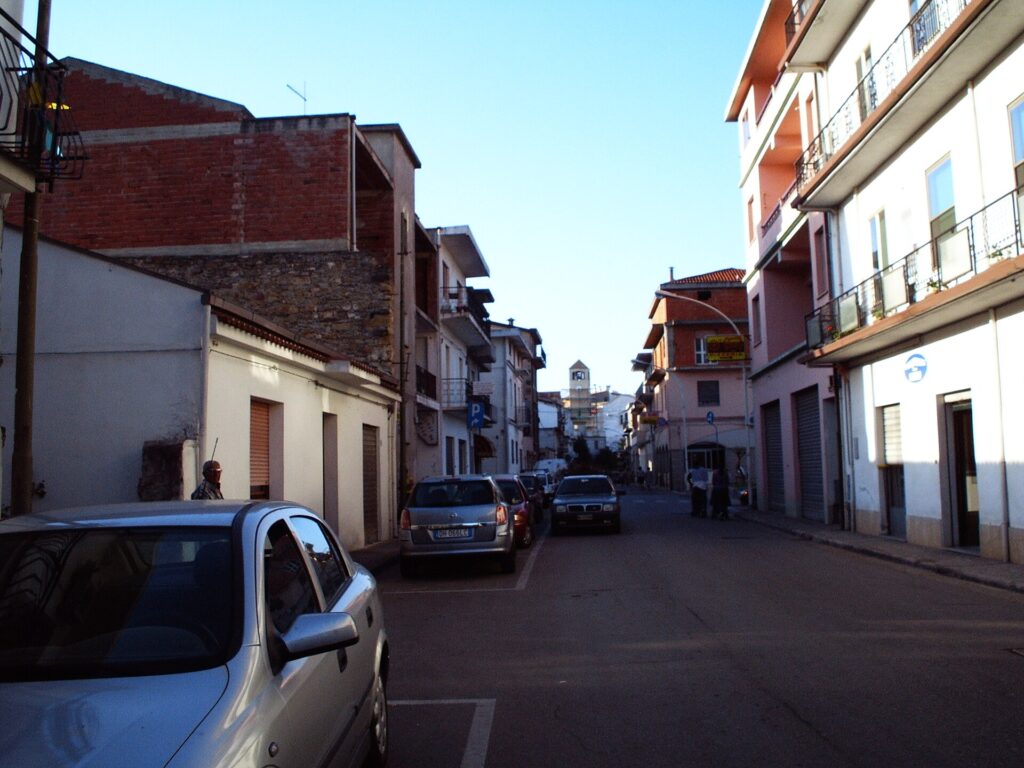
The village that stands for records is Perdasdefogu. In 2012 the Melis family entered Guinness World Records as the world’s longest-lived family: in 2014 the nine siblings had a combined age of 837 years. In 2022 the village earned another Guinness title, for the highest number of living centenarians relative to its population: eight out of 1,778, one in every 222 people, as reported by the Italian news agency AGI.
Seulo, in the Barbagia di Seulo, is also often cited as one of the villages with the highest concentration of centenarians and people over ninety. On 12 and 13 December 2026 the village opens its courtyards for Autunno in Barbagia in Seulo: the perfect chance to get to know it.
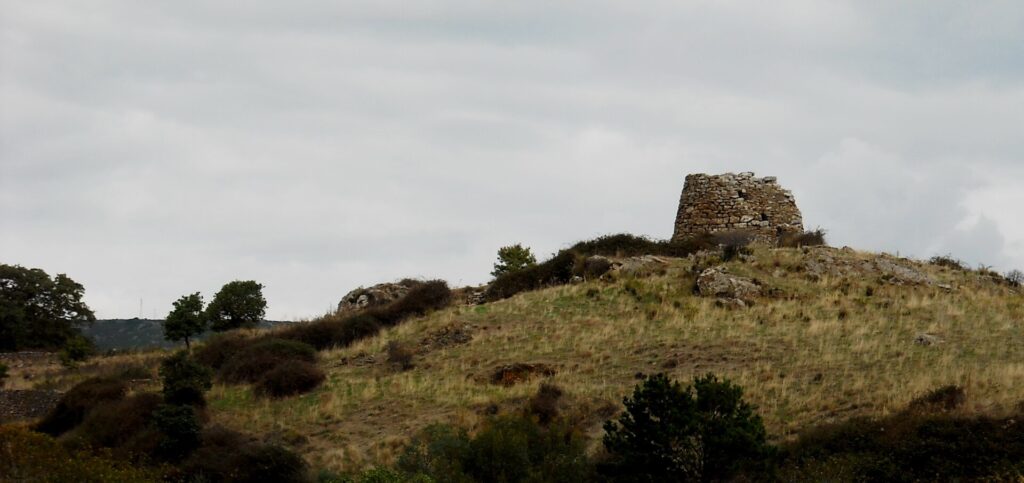
Arzachena, the new Blue Zone
In September 2025, at a meeting in Porto Cervo, Gianni Pes presented a study on Arzachena, in Gallura. Among people born in the town between 1900 and 1924, 26 were found to have become centenarians: relative to the number of births, a figure 30% higher than the national average and 20% higher than in Ogliastra.
According to Pes, part of the difference may have come from the town’s economic development, as it moved from sheep farming to tourism on the Costa Smeralda, with better living conditions. Arzachena is also wine country: look at the Gallura and Costa Smeralda area page for the villages and experiences nearby.
Is the Blue Zone real? What research says
In recent years some researchers have questioned the data from several Blue Zones around the world, arguing that in some areas civil registers are unreliable and that many record ages could be wrong. It is a serious debate, which mainly concerns places without solid historical archives.
For Sardinia the picture is different. Pes and Poulain verified the ages of centenarians by comparing municipal registers with parish records, which on the island are old and well preserved. Most of the data has stood up to scrutiny. What remains open, however, is the question of how much each factor weighs: diet, work, family, genes. That is why research continues.
What we can learn from Sardinian centenarians
Not everyone can be a shepherd in the mountains, but some habits of Sardinian centenarians are within everyone’s reach. This is not medical advice, just common sense that these communities have always practised:
- Move every day, even if it is just walking, and take the stairs rather than the lift.
- Eat simply: more pulses, vegetables and good bread, fewer processed foods.
- Sit down at the table together, without rushing, and make Sunday lunch count.
- Nurture your relationships with family, neighbours and friends, at every age.
- Have a role: the elderly of the Blue Zone feel useful to the very end.
Anyone who visits the Blue Zone in Sardinia notices it at once: older people are in the square, in the fields, on the benches outside their homes, at the centre of village life. That may be the simplest lesson, and the hardest one to take home.
Visiting the Sardinia Blue Zone: things to do in Ogliastra
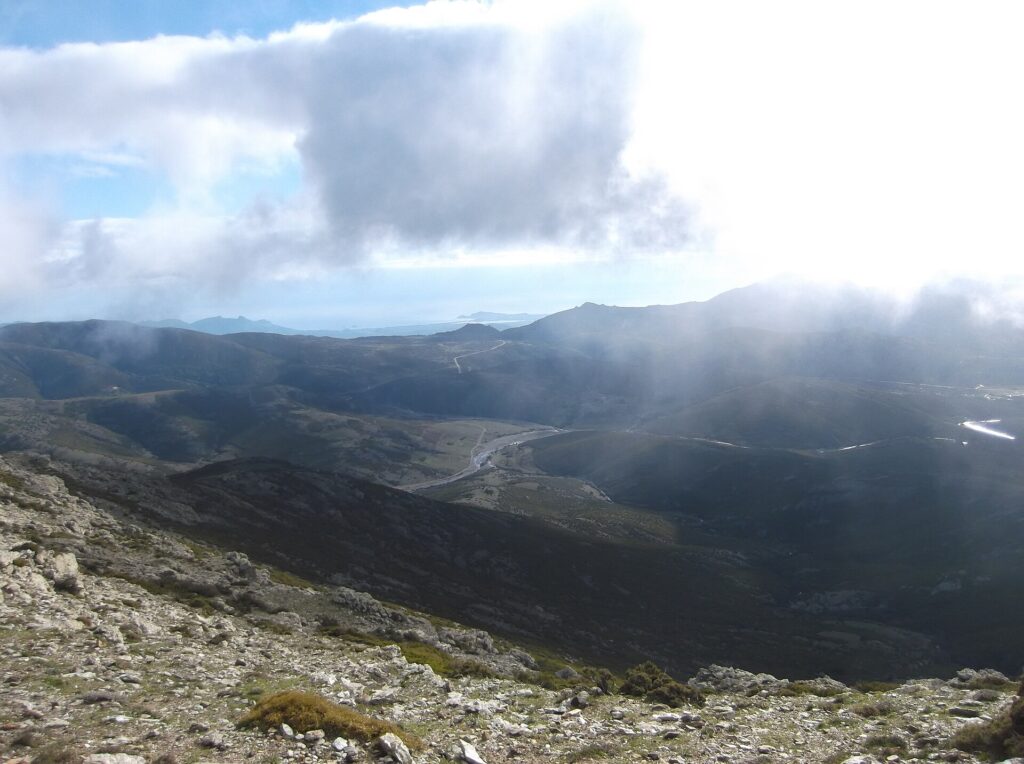
Visiting the Blue Zone does not mean hunting for centenarians as if they were sights, but living for a few days at the pace of their villages. Ogliastra has it all: mountains, sea, archaeology and wonderful food. Here are a few ideas:
- Hiking: Gorropu Gorge, the Selvaggio Blu and Cala Goloritzé in Baunei. Browse the nature and hiking experiences on the portal.
- Tacchi of Ogliastra: Ulassai with Maria Lai’s Stazione dell’Arte, Jerzu with its Cannonau, and Perda Liana between Gairo and Seui.
- Sea: the red rocks of Arbatax, part of Tortolì, and the beaches of Bari Sardo and Cardedu.
- Festivals: in Seui, every year around All Saints’ Day, there is Su Prugadoriu, the Sardinian festival of souls.
- Nature: guided hikes and nature retreats to truly slow down.
To discover the loveliest villages in the area, such as Sadali and Ulassai, take a look at the culture and traditions experiences on Ajò Sardegna.
Eating like the centenarians
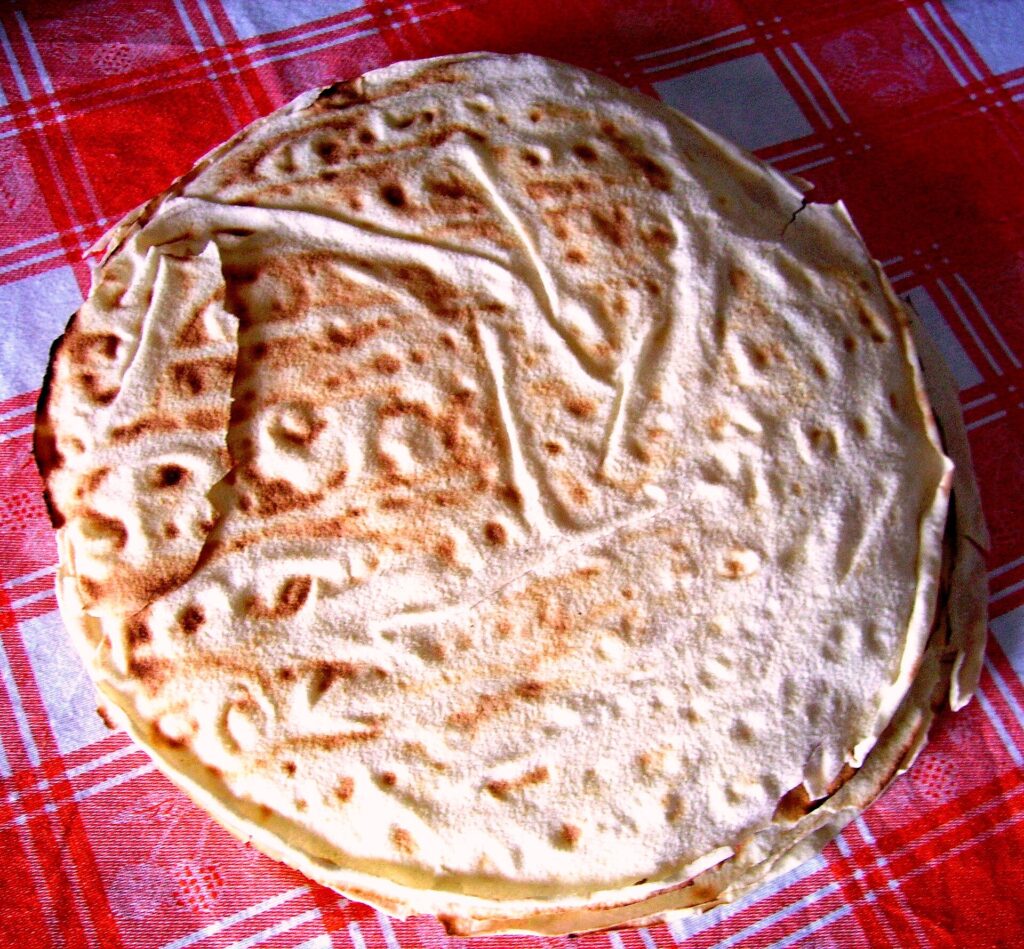
The signature dish of Ogliastra is culurgiones, pasta parcels filled with potato, cheese and mint, sealed by hand with a distinctive ear-of-wheat pleat. Alongside them come pane carasau, cheeses such as Fiore Sardo PDO and Pecorino Sardo, and soups of pulses and vegetables.
On feast days there is porceddu, the roast suckling pig, and the meal ends with seadas and honey. To learn more, try a cooking class with local cooks. If you want to eat with the people who actually produce this food, look at the lunch with shepherds experiences and the dairies and farms you can visit.
A 3-day itinerary in the Blue Zone
- Day 1: arrive in Tortolì and Arbatax, spend the afternoon on the red rocks and have culurgiones for dinner.
- Day 2: head up to Villagrande Strisaili, Arzana and Talana, stopping in the villages and having lunch at a farm stay. Afternoon on the plateau.
- Day 3: Ulassai and the Stazione dell’Arte, then Perdasdefogu or Seulo, depending on which way your trip continues.
With an extra day, add a hike in the Supramonte of Baunei or a visit to Mamoiada, where you can visit the Museo delle Maschere Mediterranee (Museum of Mediterranean Masks). Get around by car and allow plenty of time: the mountain roads are beautiful but winding.
The best time to visit the Blue Zone is from spring to autumn. Between April and June the mountains are green and in bloom and walking is pleasant; in summer the sea in Ogliastra is stunning, but in the inland villages the evenings are cool. Autumn brings festivals, the Cortes Apertas and the flavours of the grape harvest, while in winter it can snow at altitude: always check the weather before setting off.
For your stay, choose a farm stay or a B&B in a village rather than a resort on the coast: the evening, in the square or at the bar, is when you meet the elderly and hear their stories. A greeting in Italian, or better still a “bona sera” in Sardinian, is all it takes to start a conversation.
FAQ about the Blue Zone in Sardinia
Where is the Blue Zone in Sardinia?
In the mountains of Ogliastra and Barbagia, on the slopes of the Gennargentu. The villages most often mentioned include Villagrande Strisaili, Arzana, Talana, Baunei, Urzulei, Seulo and Perdasdefogu.
Who discovered the Blue Zone in Sardinia?
The Sardinian doctor Gianni Pes and the Belgian demographer Michel Poulain, who in 2004 circled in blue on the map the municipalities with the most centenarians. Dan Buettner then made the concept famous worldwide.
What is the secret of Sardinian centenarians?
There is no single one: daily physical activity, a simple seasonal diet, wine in moderation, close family and community, a strong character and, according to researchers, genetic factors linked to isolation.
Can you visit the Sardinia Blue Zone?
Yes. The villages of Ogliastra and Barbagia are open to anyone who wants to get to know them respectfully: hiking, farm stays, village festivals and traditional food are the best ways to experience them.
Spend a few days at the centenarians’ pace
The Blue Zone in Sardinia is not a recipe to copy, but a way of life to observe up close: walking, eating simply, being together. On Ajò Sardegna you will find experiences, local operators and traditional festivals in Ogliastra and Barbagia, to contact directly and with no commission, plus wellness ideas for a slower trip. If you have questions, ask Lia, the portal’s virtual assistant. A chent’annos, and ajò!
