Things to do in Seulo
Things to do in Seulo, Sardinia's Blue Zone village: Su Stampu 'e su Turrunu, Sa Stiddiosa waterfall, caves, nuraghi and Flumendosa hikes.
We are gathering the first experiences for this area. Check back soon, or tell us about an operator you know.
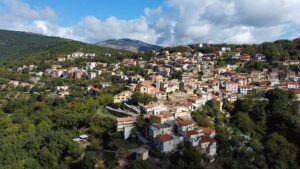
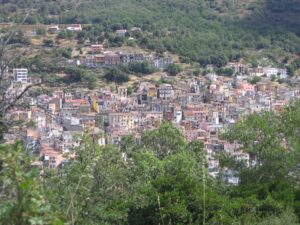
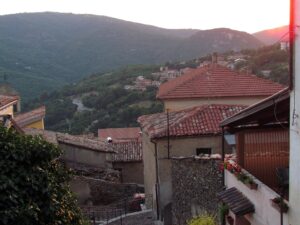
Seulo is a small mountain village in the heart of the Barbagia di Seulo, at the foot of Monte Perdedu and separated from the Gennargentu massif by the Flumendosa valley. It belongs to Sardinia's Blue Zone, the area known worldwide for its many centenarians. People come here for water and wild nature: gorges, waterfalls, springs and limestone caves. It's perfect if you love hiking, landscape photography and the slow pace of inland villages.
What to see in Seulo
Su Stampu 'e su Turrunu
On the border with Sadali, this natural monument is where water vanishes into a sinkhole, runs through a cave and reappears as a waterfall dropping into a small pool. One of the most photogenic spots in inland Sardinia.
Sa Stiddiosa and Piscina 'e Licona
Sa Stiddiosa, on the border with Gadoni, is a travertine wall covered in moss and maidenhair fern, with water dripping into a pool; the flow varies greatly between winter and summer. Piscina 'e Licona is another waterfall and pool along the river.
Caves and archaeology
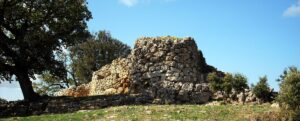
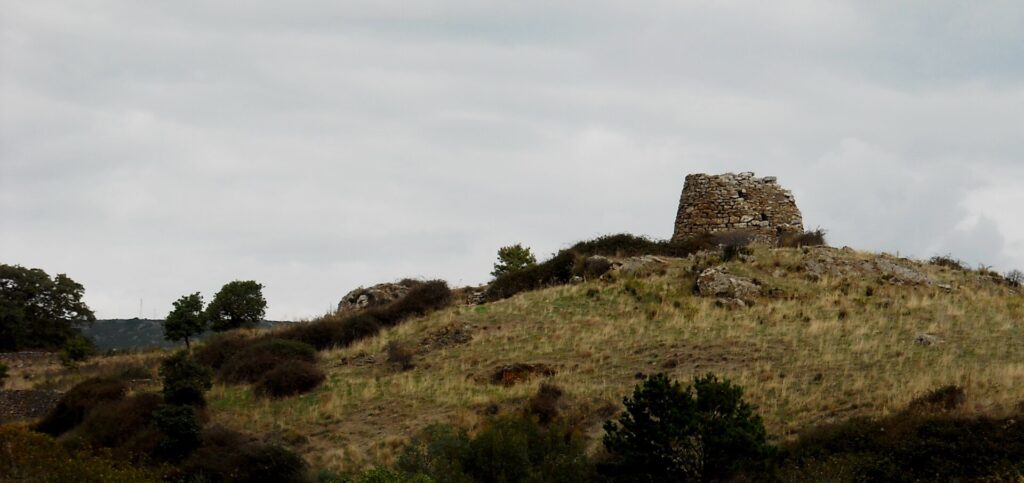
In the Addolì forest you'll find karst caves with stalactites and stalagmites, such as Sa Omu 'e Janas. The area also has the Nuragic village of Ticci, the Su Nuraxi 'e Pauli nuraghe, domus de janas (rock-cut prehistoric tombs) and S'Arcu 'e su Cuaddu, a natural rock arch with a tomb carved beneath it.
Churches
The parish church of the Immaculate Virgin dates from the 16th century; in the upper village stands the church of Saints Peter and Paul, the oldest in Seulo.
Things to do in Seulo
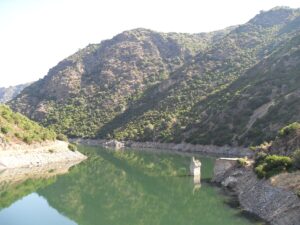
Seulo is hiking country: trails follow the Flumendosa through holm oaks, scrub and limestone cliffs to waterfalls and natural pools. The Ecomuseum of the Upper Flumendosa, founded in 2002, offers themed routes. In spring the slopes of Perdedu turn pink with wild peonies, s'orrosa 'e padenti in Sardinian. Gorges and caves are best explored with someone who knows the land: browse the hikes and activities offered by local operators just below.
History
People have lived here since prehistoric times: caves have yielded a mother-goddess head and rare rock paintings. Nuraghi and Nuragic villages followed. In the Middle Ages Seulo headed its own district in the Judicate of Cagliari, then passed to Pisa and, from 1324, to the Aragonese. In 1604 it became part of the duchy of Mandas, and it was freed from feudal rule in 1839.
What to eat and buy
The cooking is shepherd food: roast suckling pig and cured pork, su casu in filixi, a cheese curdled on ferns, and su callu 'e crabittu. Sweets include picchirittus and pistoccus de nuxi. Local crafts include rug weaving and knives.
Festivals and traditions
- Sant'Antonio abate, mid-January, with bonfires, wine and sweets.
- S'Orrosa de Padenti, in April, celebrating the peony.
- Saints Peter and Paul and sheep shearing, in June.
- Su casu in filixi cheese festival, in July.
- Andalas, a group hike on 13 August.
- Saints Cosmas and Damian, late September at the country church.
Nearby
- Sadali, with a waterfall right in the village.
- Gadoni and the Funtana Raminosa mine.
- Seui, a mining village in the same region.
- The Gennargentu, across the Flumendosa.
Getting there and when to go
The nearest airport is Cagliari-Elmas, about two hours' drive on mountain roads. Spring is best for peonies and full waterfalls; summer suits a dip in the river pools, autumn the colourful woods.
FAQ
How many days do I need for Seulo?
One or two days cover Su Stampu 'e su Turrunu, Sa Stiddiosa and the village; a weekend lets you add caves and river hikes.
Is Seulo good for families?
Yes, with kids used to walking: some trails are short, others need good legs.
Why is Seulo in the Blue Zone?
Because of its many centenarians: twenty between 1996 and 2016, in a village of a few hundred people.