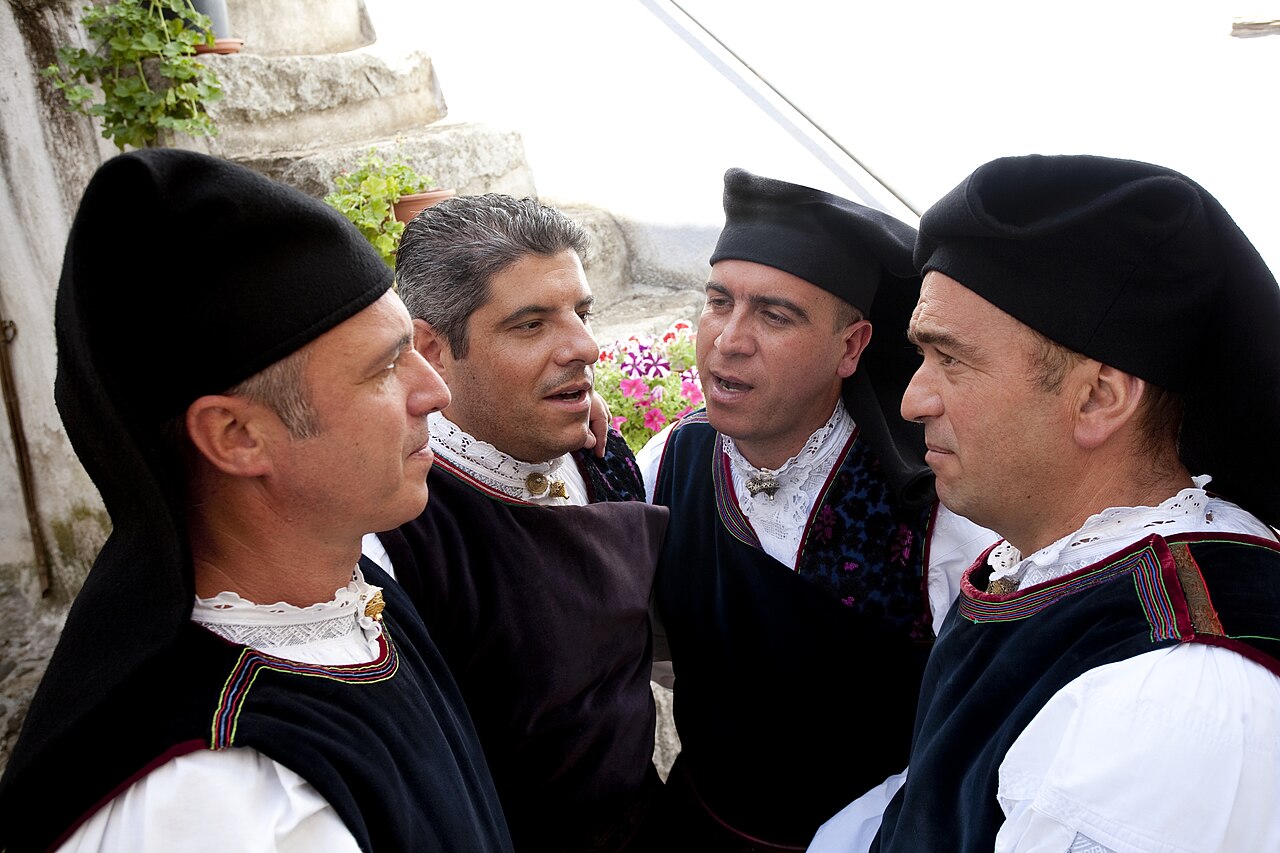
Four men in a circle, shoulder to shoulder, one hand cupped near the ear. Then a single voice begins a poem, and the other three answer with deep, almost guttural sounds that seem to rise from the earth itself. This is canto a tenore, the polyphonic singing of Sardinia’s shepherds and one of the oldest and most mysterious sounds in the Mediterranean. In English it is often called Sardinian throat singing.
In this guide we explain how it works, who the 4 voices of the tenore are, where it comes from, why UNESCO recognised it as world heritage and, above all, where to hear it live: in the villages of Barbagia, at festivals, in village bars and in a museum devoted entirely to it.
Contents
It is performed standing in a close circle.
UNESCO, Canto a tenore entry (2008)
What is canto a tenore
Canto a tenore is a form of polyphonic singing for four male voices, born in the pastoral world of central Sardinia. A soloist sings a poetic text, in prose or verse, and the other three accompany him like a choir, with meaningless syllables that build a powerful, hypnotic carpet of sound.
It is not sung on a stage, at least not originally: it is sung standing, in a circle, looking each other in the eye. The singers stand so close that they can feel the vibration of each other’s voices, and they often hold a hand to one ear to hear their own voice better. The whole group, four voices together, is called a tenore, and the singers are the tenores.
For anyone hearing it for the first time, the effect is striking. The low voices of Sardinian throat singing sound almost like an instrument, a drone that fills the room, while the soloist’s words float above it. You do not need to understand Sardinian to be moved: the sound speaks for itself.
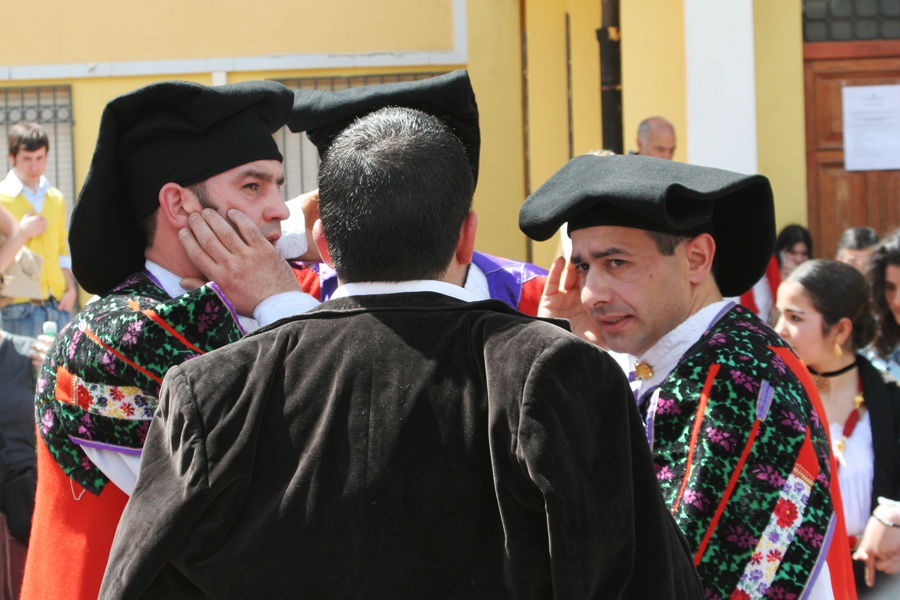
The 4 voices of the tenore
Every tenore is made up of four voices, each with a precise role. Two of them use a guttural technique that makes the throat vibrate and produces a low, rough sound, unique in Europe.
- Sa boghe (the voice): the soloist. He chooses the text, sets the pitch and leads the song, singing with a natural voice.
- Su bassu (the bass): the deepest, guttural voice, which holds the whole choir together.
- Sa contra (the counter-voice): also guttural, it sits above the bass and gives the sound its metallic timbre.
- Sa mesu boghe (the half voice): the highest voice in the choir, clear and bright, which completes the chord.
The names of the voices change from village to village: in some areas they say oche and mesu oche, in others boche and mesu boche. The style changes too: every community has its own way of singing the tenore, and a trained ear can tell at once whether a group comes from Bitti, Orgosolo or Oniferi.
The guttural technique of the bassu and the contra is what most often leads people to compare canto a tenore with the throat singing of Tuva or Mongolia. The comparison helps to describe the sound, but the two traditions developed independently, and the Sardinian tenores use it in a very different way, always as part of a four-voice choir.
Origins and history of canto a tenore
Nobody knows for sure when canto a tenore was born. Its roots lie in the agro-pastoral life of inland Sardinia, when shepherds lived for months alone in the countryside with their flocks. Singing was company, storytelling and memory, and it was passed on by ear, from father to son.
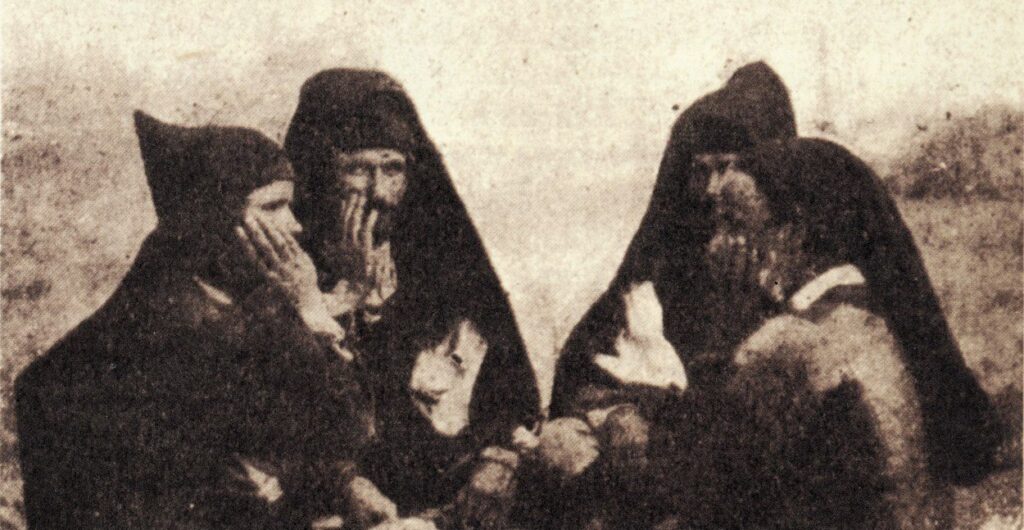
For centuries the tenore was the soundtrack of village life: serenades beneath windows, dances in the square, religious feasts, sheep shearing, weddings and the Carnival of Barbagia. In the twentieth century it also reached records and festivals, and some groups became famous all over the world.
Today canto a tenore still lives on in the villages, but it has to deal with depopulation and the end of the old pastoral culture. That is why schools, associations and courses have sprung up to teach it to younger people. And in recent years women’s groups have also emerged, bringing the tenore technique into a world that for centuries had been exclusively male.
Canto a tenore, UNESCO heritage
In 2005 UNESCO proclaimed canto a tenore a Masterpiece of the Oral and Intangible Heritage of Humanity, and in 2008 it was inscribed on the Representative List of the Intangible Cultural Heritage of Humanity. The official UNESCO entry describes it as a song practised mainly in Barbagia and central Sardinia.
The recognition put the spotlight on the tenore, but UNESCO itself points out the risks: the decline of pastoral culture and performances designed only for tourists, which can impoverish the repertoire and change the intimate way this song has always been experienced. Listening to it with respect, in the places where it belongs, is the best way to help keep it alive.
What they sing: serenades, dances and poetry
The tenore does not have a single repertoire. There are slow songs, to be listened to in silence, and rhythmic ones, meant to get the whole square dancing. Among the best-known genres:
- Sa boghe ‘e notte: the voice of the night, the slow and solemn serenade.
- Sos mutos: short poetic verses, often about love or full of irony.
- Sos gosos: songs of praise, linked to the feasts of the saints.
- Sos ballos: songs for dancing, such as the ballo tondo, where the tenore takes the place of instruments.
The lyrics are often poems in the Sardinian language, old or contemporary. Alongside love and nature, the poets sing of loneliness, hard work, emigration, unemployment and politics. In short, the tenore is not a museum piece: it is a way of telling the present with an ancient voice.
Canto a tenore and cuncordu: the differences
Sardinia has another great tradition of four-voice polyphony: the cuncordu, or canto a concordu. Unlike the tenore, which is secular, the cuncordu is tied to religious rites and to confraternities, and above all it accompanies the processions of Holy Week.
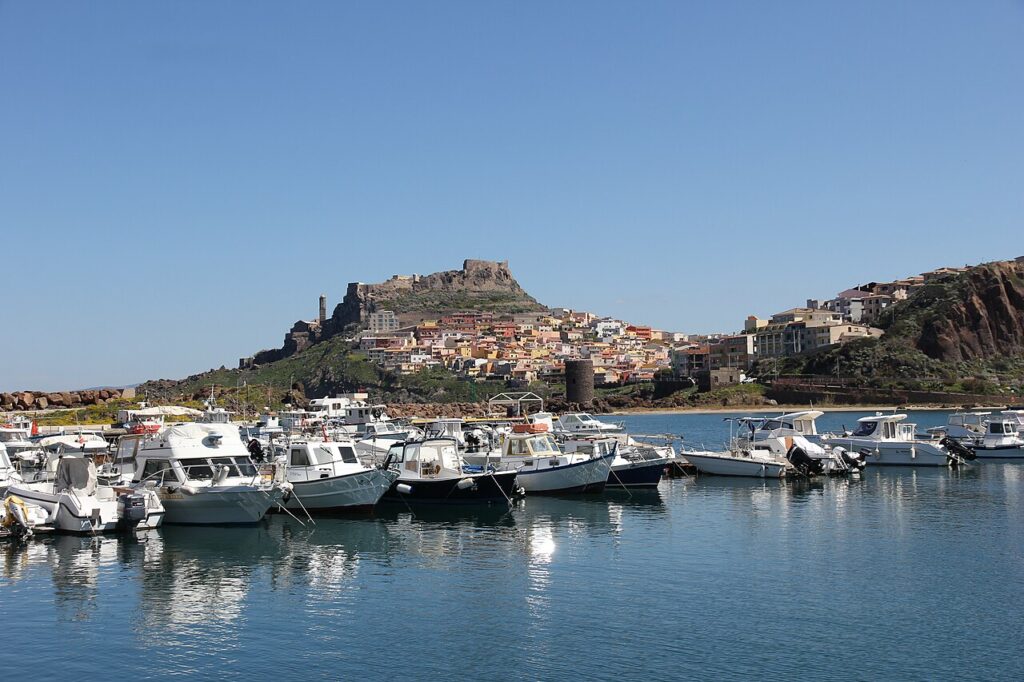
The cuncordu voices do not use the guttural technique and have a softer, fuller sound. Among the best-known cuncordos are those of Castelsardo, Santu Lussurgiu and Orosei. If you are in Sardinia at Easter, the Holy Week rites are a unique chance to hear them.
Where to hear canto a tenore live
The heart of canto a tenore is Barbagia, in the centre of the island, but it is sung in many villages of the Nuoro area, Marghine and Ogliastra. These are the best places to hear it live, ideally far from any stage.
- Bitti: perhaps the village most closely tied to the tenore, with historic groups such as the Tenores di Bitti “Remunnu ‘e Locu” and “Mialinu Pira”.
- Orgosolo, Oniferi and Orune: each with its own style, recognisable from the very first notes.
- Mamoiada, Ollolai, Fonni and Gavoi: the villages of Barbagia di Ollolai, where the tenore accompanies festivals and Carnival.
- Oliena and Nuoro: in the town and the nearby villages, tenores often get together at festivals.
- Neoneli: home of the Tenores di Neoneli, who combine traditional singing with instruments.
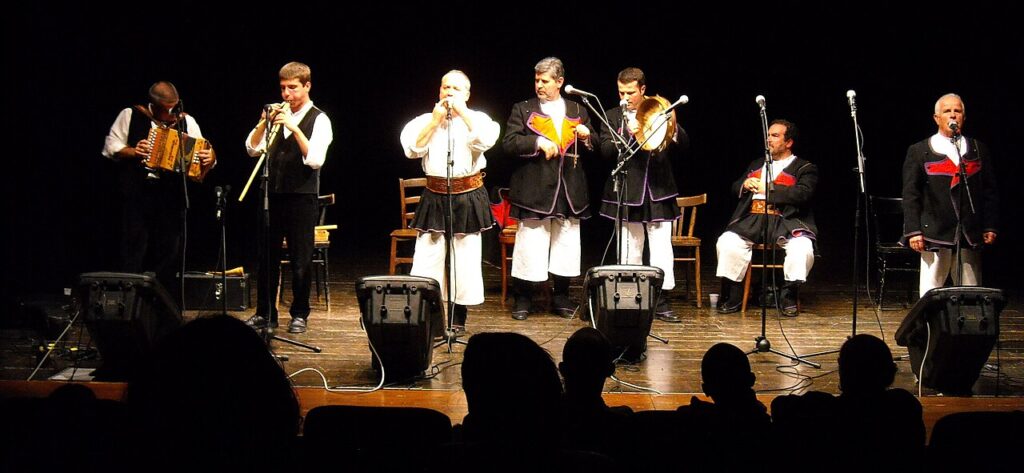
The Canto a Tenore Multimedia Museum in Bitti
In Bitti, in the old town, there is a one-of-a-kind museum: the Canto a Tenore Multimedia Museum, founded in 2005 in an old manor house that is also home to the Museum of Rural and Pastoral Life. According to Sardegna Turismo, admission is free.
The visit winds through four rooms. The most moving has four totems arranged in a circle, like the singers: you can listen to the four voices together or one at a time, and finally understand how the sound of the tenore is created. Other rooms hold recordings from all over the island and pictures of singers at work.
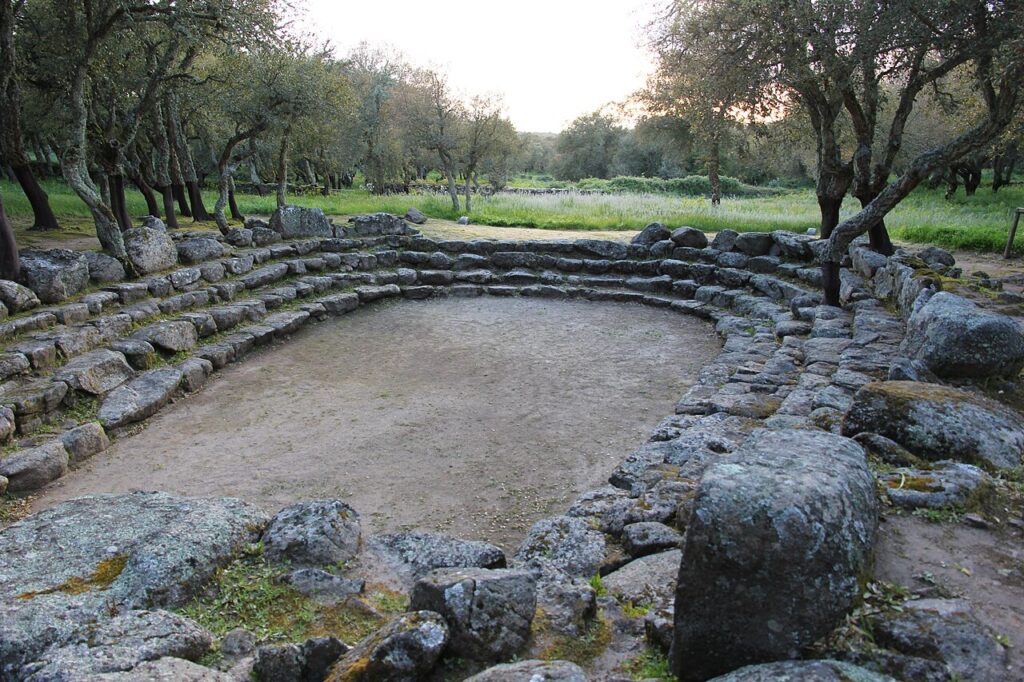
After the museum, about 13 kilometres from the village, you can visit the Romanzesu nuragic sanctuary village, set among oak trees, with temples and a sacred pool. Among the archaeological sites and nuraghi of Sardinia, it is one of the most atmospheric.
Festivals and events where you can hear the tenores
Canto a tenore has no fixed calendar: it is sung whenever there is a celebration. These events in the coming months are a great chance to hear it:
- Cortes Apertas in Gadoni and in Oniferi, 28 and 29 November 2026.
- Cortes Apertas in Fonni, 6 to 8 December 2026.
- Cortes Apertas in Orune, 12 and 13 December 2026.
- Artes e Sabores in Santu Lussurgiu, 12 and 13 December 2026.
- Sant’Antonio Bonfires and Mamuthones in Mamoiada, 16 and 17 January 2027.
In the warmer months the opportunities multiply. The country feasts of the saints, celebrated at little rural churches surrounded by cumbessias, the pilgrims’ cottages, are the ideal place to hear the shepherds’ voices. One of the most heartfelt is the feast of San Francesco in Lula, in spring, with its novena and communal meals.
In summer almost every village in Barbagia has its patron saint’s festival, with processions, dancing in the square and evenings of music. The calendar changes every year: ask in the village or at the tourist office, and keep an eye on the posters in the bars. Often the best groups sing just when nobody expects it, after dinner, among friends.
During Cortes Apertas the tenores often sing in the courtyards and squares of the villages, which open their old houses to visitors for the weekend. In Mamoiada you can also combine the singing with the masks of the Mamuthones and Issohadores, and visit the mask museum in the village.
The ballo tondo: when voices make the square dance
At village festivals the four-voice choir is not just for listening: it is for dancing. The ballu tundu, or round dance, is the most widespread traditional dance of inland Sardinia. Men and women hold hands or link arms, form a large circle and move in small steps, following the rhythm of the voices.
The circle grows as more people arrive, and anyone can join in, even visitors. The steps change from village to village, but the meaning is the same: the community drawing together into a single figure. If you are invited to join, don’t hold back: just watch the feet of the person next to you.
Launeddas, organetto and trunfa: the other sounds of Sardinia
Alongside vocal polyphony, traditional Sardinian music has some unique instruments. The oldest and most fascinating are the launeddas, a wind instrument made of three reeds of different lengths, played together using circular breathing: the player never stops blowing, and the sound never breaks.
- Launeddas: found mainly in the south of the island, they accompany processions and dances.
- Organetto: the diatonic accordion, queen of village festivals and dancing in the square.
- Trunfa: the jaw harp, a small metal instrument that you make vibrate between your teeth.
- Sulittu: a small reed flute, once played by shepherds out in the countryside.
Three days in Barbagia in the footsteps of music
If you want to devote a short trip to the music and traditions of the interior, here is a simple itinerary to do by car, based in Nuoro.
- Day one: Nuoro, with the Costume Museum and the old town, birthplace of writers and poets. In the evening, dinner in a trattoria in the centre.
- Day two: Bitti, with the multimedia museum and the house of rural life, then the nuragic village of Romanzesu. Head back via Orune and the sacred well of Su Tempiesu.
- Day three: Mamoiada, with its mask museum, and then Orgosolo and its murals, which tell the history and struggles of the village.
In winter always check museum opening times and conditions on the mountain roads. And if your trip coincides with a festival or a stop of Cortes Apertas, leave some free time: that is where the best encounters happen.
If you have an extra day, the road south towards Gavoi and Fonni crosses some of the most beautiful landscapes of central Sardinia, with oak woods, granite and views of the Gennargentu. It is the same countryside that gave birth to the tenores, and driving through it helps you understand why their songs sound the way they do.
How to listen to canto a tenore respectfully
The tenore is an intimate song, born to be shared among friends, not to be filmed. Here are a few simple rules to enjoy it without disturbing anyone:
- Stay silent while they sing: even applause halfway through can interrupt the song.
- Don’t stand in the middle of the circle and don’t get too close with your phone.
- Always ask permission before recording or taking close-up photos.
- If you are offered a drink, accept: it is part of the hospitality, and a glass of Cannonau or mirto often paves the way for another song.
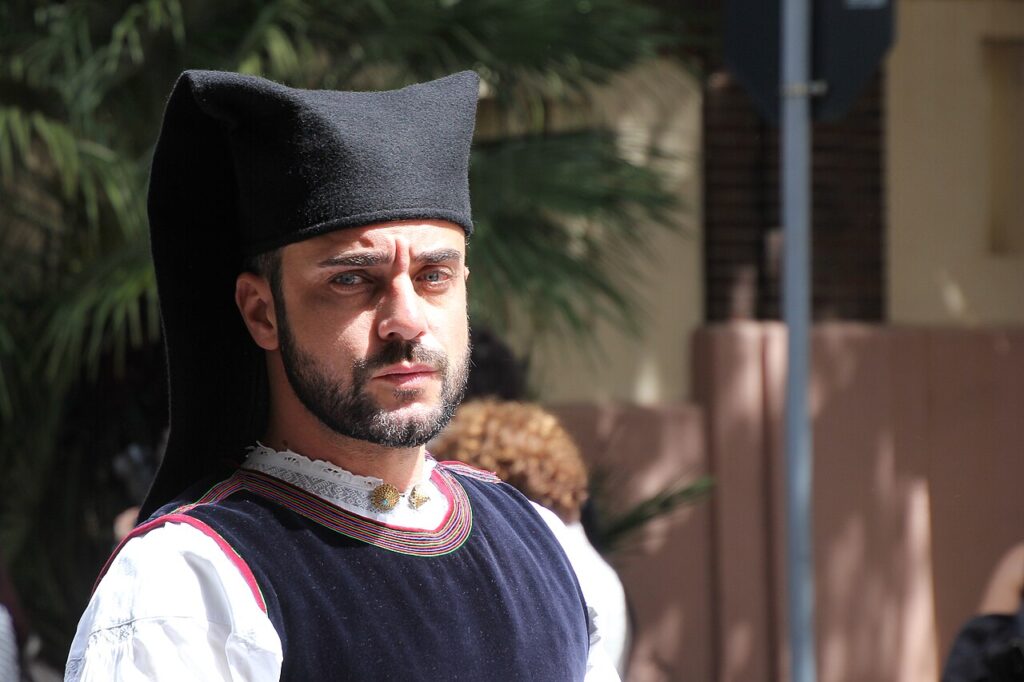
Experiences in shepherds’ Sardinia
Canto a tenore is a child of pastoral culture, and the truest way to understand it is to experience a little of that culture yourself. On Ajò Sardegna you will find lunch with shepherds, where someone often starts singing at the end of the meal, and the traditional festivals of the whole island.
The table of the shepherds is also the best introduction to the flavours of Barbagia: pane carasau, the crisp flatbread that shepherds took with them to the pastures, Fiore Sardo PDO cheese and, at festivals, porceddu, the roast suckling pig, followed by honey-drizzled seadas.
You can also take part in a craft workshop, such as one on the traditional masks of Mamoiada. All the cultural experiences are in the culture and traditions section.
FAQ about canto a tenore
What is canto a tenore?
It is a Sardinian polyphonic song for four male voices, born in the pastoral world of Barbagia. A soloist sings a poetic text and three voices accompany him as a choir, two of them using a guttural technique.
What are the four voices of the tenore?
Sa boghe, the soloist; su bassu, the deepest and most guttural voice; sa contra, also guttural; and sa mesu boghe, the higher half voice. The names can vary slightly from village to village.
When did canto a tenore become UNESCO heritage?
UNESCO proclaimed it a Masterpiece of the Oral and Intangible Heritage of Humanity in 2005 and inscribed it on the Representative List of the Intangible Cultural Heritage of Humanity in 2008.
Where can you hear canto a tenore?
Above all in the villages of Barbagia and the Nuoro area, such as Bitti, Orgosolo, Oniferi and Mamoiada, during festivals, food fairs and Cortes Apertas. In Bitti there is also the Canto a Tenore Multimedia Museum, with free admission.
Listen to the voice of Sardinia
Canto a tenore is the deepest voice of Sardinia: a voice born from the land, from work and from friendship. To really hear it you have to go to its villages, stop at its festivals and let yourself be surprised. On Ajò Sardegna you will find the festivals and events of the whole year and the experiences of local operators, to contact directly and with no commission. If you have any questions, write to Lia, the portal’s virtual assistant. A si bìdere, see you soon, and ajò!
