Things to do in Oniferi
Oniferi, Sardinia: the Sas Concas and Brodu rock-cut tombs, the Ola nuraghe, old churches, canto a tenore singing and village festivals.
We are gathering the first experiences for this area. Check back soon, or tell us about an operator you know.
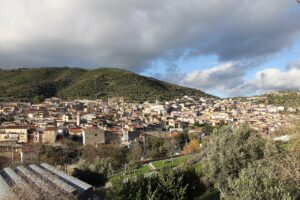
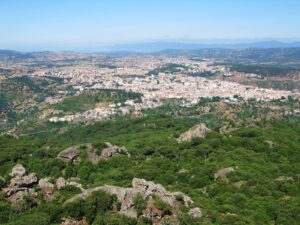
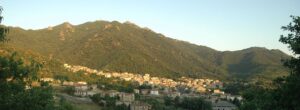
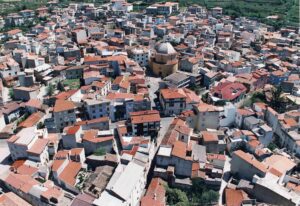
Oniferi is a small hill village in the Barbagia di Ollolai, at around 500 m and about 20 km from Nuoro, overlooking the sa Costa valley. It is one of central Sardinia's most rewarding stops for archaeology lovers: its territory holds some of Barbagia's most important prehistoric necropolises and a well-preserved nuraghe. Ideal for curious travellers and fans of ancient history and traditional singing.
What to see in Oniferi
The Sas Concas necropolis
Along the road towards Nuoro lies Sas Concas, a group of some twenty domus de janas, rock-cut tombs whose Sardinian name means «fairy houses», dating to around 2700 BC. It is one of the largest and oldest necropolises in Barbagia, famous for the stylised upside-down human figures carved on the walls, perhaps images of the dead.
The Brodu necropolis
The Brodu necropolis has four underground tombs from the 3rd millennium BC. One has a hall with two pillars and a ritual hearth; the most striking feature bull's-head carvings next to the entrance.
The Ola nuraghe
About 3 km from the village, on the road to Macomer, the Ola nuraghe is a granite and trachyte tower over ten metres high, with its tholos (corbelled-dome) chamber still intact and the remains of village huts around it.
The churches
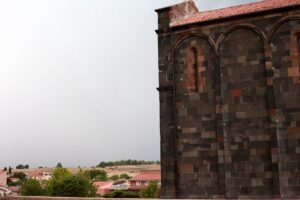
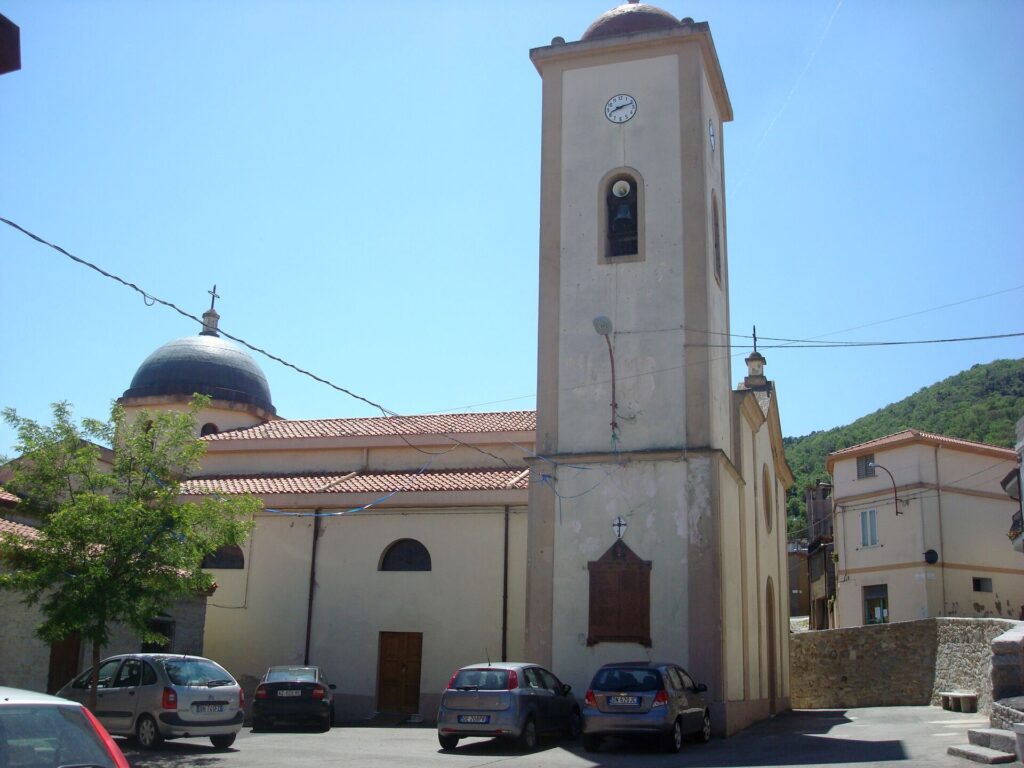
Stop at the church of San Gavino martire, the 15th-century former parish church set in a meadow. Today's parish church is Sant'Anna, also 15th-century in origin and remodelled in the 20th century.
Things to do in Oniferi
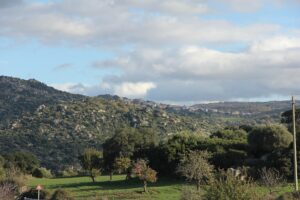
The best way to experience Oniferi is an archaeology tour taking in Sas Concas, Brodu and the Ola nuraghe in half a day. The surrounding hills, with cork oak, holm oak and wild olive woods and pastures crossed by the Rivu Mannu stream, are good for walks and bike rides. If you are here during a festival, don't miss the canto a tenore. Below you will find the experiences offered by local operators: book a guided visit and let them tell you the story of this land.
History
Necropolises and nuraghi show human presence since the Neolithic. In the Middle Ages Oniferi belonged first to the Giudicato of Torres and then to Arborea. After 1478 it passed to the Aragonese and was tied to the Marquisate of Orani until it was freed from feudal rule in 1839.
What to eat and buy
The economy is mainly pastoral: expect sheep's cheese, roast meat and traditional Barbagia bread. During the Sant'Antonio bonfires, wine and local sweets are offered to everyone.
Festivals and traditions
- Sant'Antonio abate bonfires, mid-January.
- San Gavino, late October.
- Autunno in Barbagia, when the village opens its houses to visitors.
Oniferi has a strong tradition of canto a tenore, the UNESCO-listed Sardinian polyphonic singing, with several active groups, and of music played on the diatonic accordion.
Nearby
- Orotelli, with the church of San Giovanni Battista and the Thurpos.
- Ottana and the Romanesque cathedral of San Nicola.
- Orani and the Nivola Museum.
- Nuoro, with its museums and Monte Ortobene.
Getting there and when to go
Oniferi is about 20 minutes by car from Nuoro along the SS 131 DCN, and also has a stop on the Macomer–Nuoro railway line. The nearest airports are Olbia, about an hour and a quarter away, and Alghero, about an hour and a half. Spring and autumn are ideal for outdoor sites without the summer heat.
FAQ
How long do you need for Oniferi?
Half a day is enough for the necropolises and the Ola nuraghe.
Is Oniferi good for families?
Yes: the rock-cut tombs and the nuraghe fascinate children too, but bring comfortable shoes.
Is Oniferi near the sea?
No, it is inland; the nearest coast, around Orosei, is about an hour's drive away.