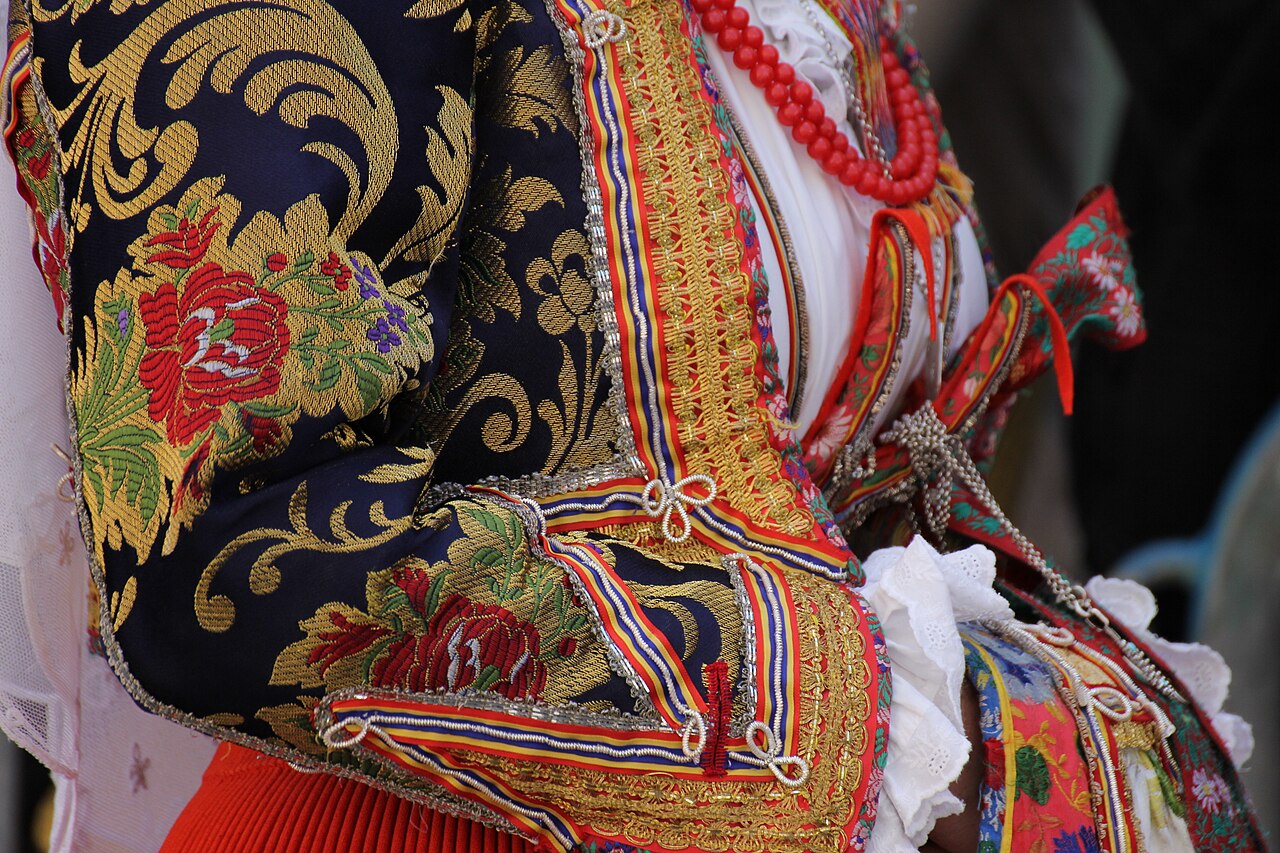
The Cortes Apertas Sardinia holds every autumn are the easiest way to really get inside Barbagia, the mountainous heart of the island. Every weekend from September to December a different village opens the courtyards of its old houses and welcomes visitors with freshly baked bread, cheese, sweets, wine and crafts you would otherwise only see in museums. The circuit is called Autunno in Barbagia (Autumn in Barbagia), and in 2026 it visits 33 villages in central Sardinia.
In this guide you will find the complete 2026 calendar village by village, with the November and December stops still to come, what to see and taste in each place, a weekend itinerary and practical tips to help you plan without stress. Each village links to its page on Ajò Sardegna, with the events and the local operators you can contact directly, with no commission.
Contents
What are the Cortes Apertas
Cortes apertas means “open courtyards” in Sardinian. In the traditional houses of Barbagia the corte is the inner courtyard, the heart of family life: this is where bread was baked, wool was worked, and wine and firewood were stored. During the Cortes Apertas, families, cooperatives and village associations open these spaces to visitors and fill them with food and craftsmanship.
The first Cortes Apertas date back to 1996; a few years later the circuit took the name Autunno in Barbagia. Today it is organised by the Nuoro Chamber of Commerce and its special agency ASPEN, together with the local councils. The 2026 motto is “Il gusto antico dell’ospitalità” (the old-fashioned taste of hospitality), and the calendar runs from 5 September to 13 December, with stops in 33 villages across 32 municipalities (Nuoro takes part twice: with the town itself and with its tiny hamlet of Lollove).
The official programme for each stop is published a few days in advance on the regional tourism website, SardegnaTurismo, and on the Nuoro Chamber of Commerce portal Cuore della Sardegna. On Ajò Sardegna you will find pages for the November and December stops, updated with the 2026 dates.
Cortes Apertas Sardinia 2026: the full calendar
Here are all the 2026 dates of Autumn in Barbagia, according to the official calendar published by SardegnaTurismo. The September and October stops are over, but they will give you an idea of the whole circuit and help you choose the villages not to miss next year.
September and October (already held)
- 5–6 September: Bitti
- 12–13 September: Oliena
- 19–20 September: Lodine and Sarule
- 26–27 September: Austis, Dorgali and Orani
- 3–4 October: Lula, Meana Sardo, Orotelli and Sorgono
- 10–11 October: Gavoi, Lollove, Onanì and Tonara
- 17–18 October: Belvì and Orgosolo
- 24–25 October: Aritzo, Olzai and Ottana
- 31 October – 1 November: Desulo
November and December (still to come)
- 6–8 November: Mamoiada
- 7–8 November: Ovodda
- 14–15 November: Nuoro, Tiana and Ollolai
- 21–22 November: Atzara
- 28–29 November: Gadoni and Oniferi
- 6–8 December: Fonni
- 12–13 December: Ortueri, Orune and Seulo
Dates can change because of bad weather or council decisions, so always check the event page and the village programme before you set off. Some weekends have several stops at the same time, which means you can combine two neighbouring villages in one weekend: one on Saturday and one on Sunday.
Mamoiada and Ovodda: the first weekend of November
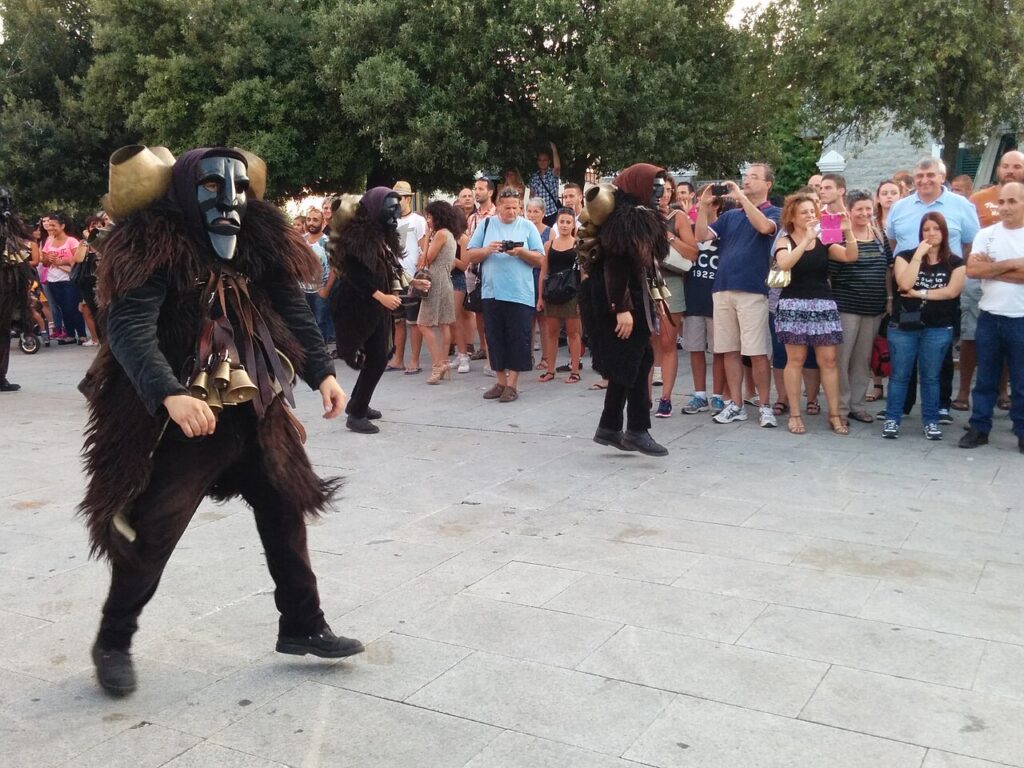
From 6 to 8 November it is the turn of Mamoiada, the village of the Mamuthones and Issohadores masks and one of the busiest stops on the whole circuit. As well as the courtyards, with the village’s bread, sweets and wines, it is the perfect chance to visit the Museum of Mediterranean Masks, which displays the carnival masks of Barbagia alongside those of other Mediterranean countries.
If you are travelling with children or teenagers, ask the museum about its traditional mask workshop or the experience called La Culla dei Mamuthones e Issohadores: all activities must be booked in advance. Mamoiada is also Cannonau country, and many of the village’s wineries open their doors during the Cortes Apertas weekend.
On 7 and 8 November the courtyards also open in Ovodda, a few kilometres away beneath the Gennargentu mountains. Ovodda is known all over the island for its Ash Wednesday carnival, when villagers paint their faces black and parade the straw puppet of Don Conte through the streets. In its courtyards you will find cheese, cured meats and bread, and a much more intimate atmosphere than in Mamoiada.
Nuoro, Tiana and Ollolai: 14–15 November
The weekend of 14 and 15 November is the richest of the month, with three stops. In Nuoro the courtyards open in the old town, between the Santu Predu quarter, where the writer Grazia Deledda was born, and Seuna, the old farmers’ district. Make the most of the trip by visiting Deledda’s birthplace, now a museum, and the Costume Museum, which holds clothes, jewellery and masks from all over the island.
We are reeds, and fate is the wind.
Grazia Deledda, Reeds in the Wind (Canne al vento, 1913)
Tiana is a small Barbagia village, not far from Ovodda and Tonara, linked to the making of orbace, the coarse woollen cloth of traditional Sardinian costumes. It still preserves its fulling mill, an old water-powered machine where the cloth was beaten and felted: ask in the village whether it is open during the Cortes Apertas. It is a short stop, ideal to combine with Ollolai.
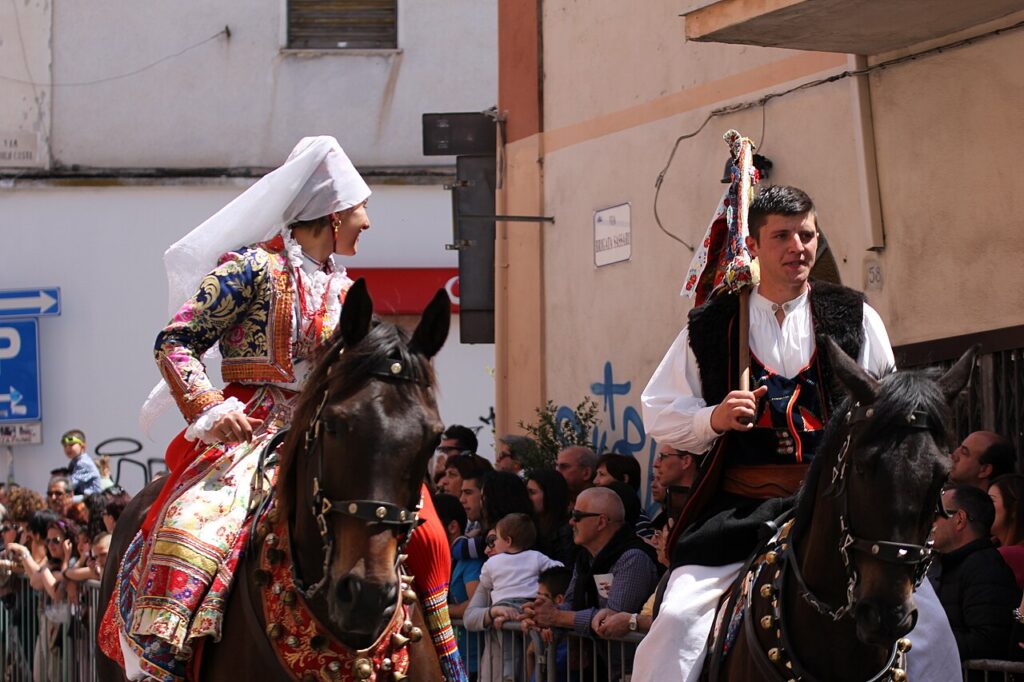
Ollolai, almost 1,000 metres above sea level, is considered one of the historic hearts of Barbagia. It is famous for its baskets woven from asphodel, a wild plant that the village women gather and work by hand. In the courtyards of Ollolai you can often watch weaving demonstrations, alongside bread, cheeses and sweets made with almonds and honey.
Atzara: Mandrolisai wine and painting, 21–22 November
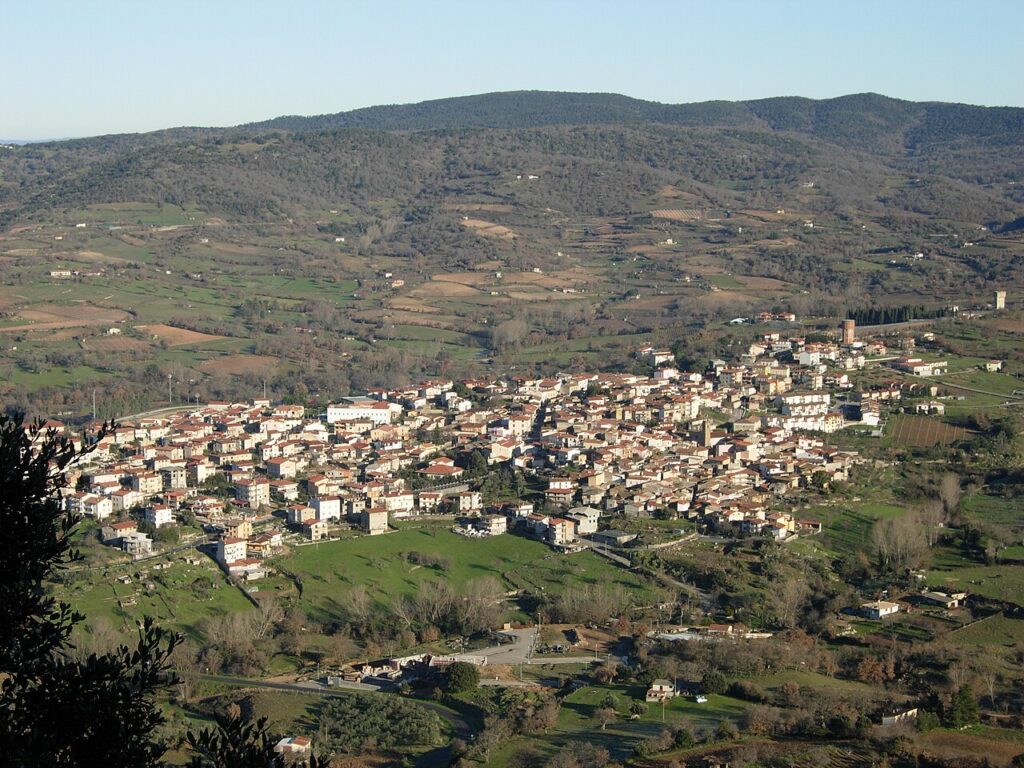
The second-to-last weekend of November belongs to Atzara, in the heart of the Mandrolisai. This is vineyard country, home of Mandrolisai DOC, a red wine blended from Bovale, Cannonau and Monica grapes. In the village wineries and courtyards you can taste wines from the latest harvest, served with cheeses, cured meats and wood-fired bread.
Atzara also has an unusual artistic history. In the early twentieth century the Spanish painter Antonio Ortiz Echagüe stayed in the village and painted the local women in their costumes, attracting other artists after him. Today the village museum of modern and contemporary art bears his name. Atzara’s costume, with its bright colours and embroidery, is one of the most photographed in Sardinia.
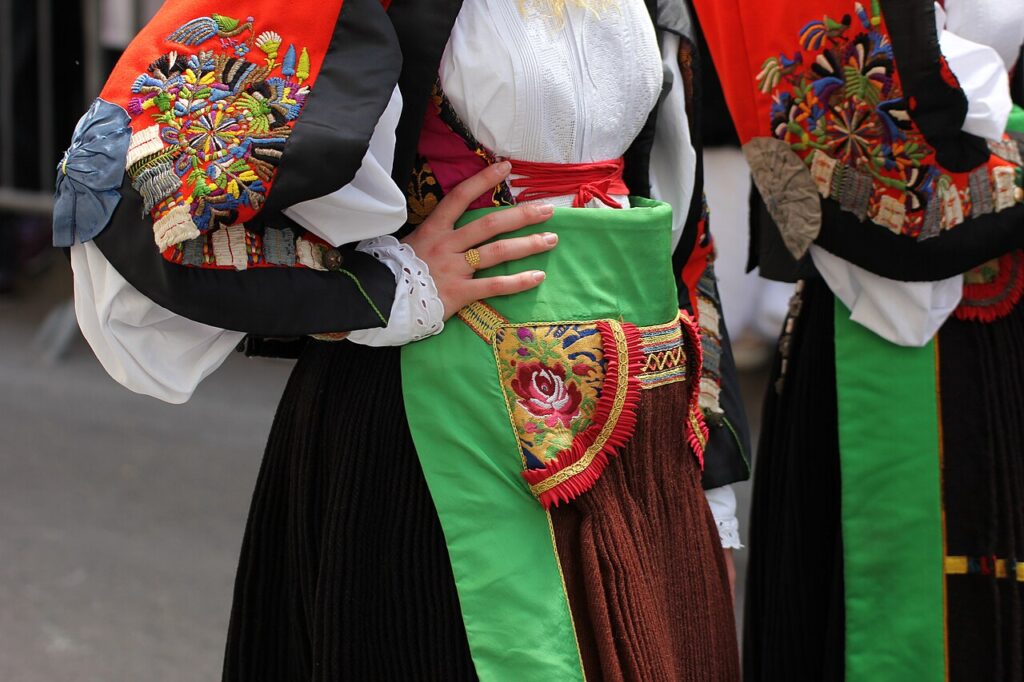
If you love wine, round off the day with a winery visit: on Ajò Sardegna you will find wineries and tastings all over the island. And if you are in the area that weekend, Ocraxus takes place in Laconi, less than an hour’s drive away.
Gadoni and Oniferi: 28–29 November
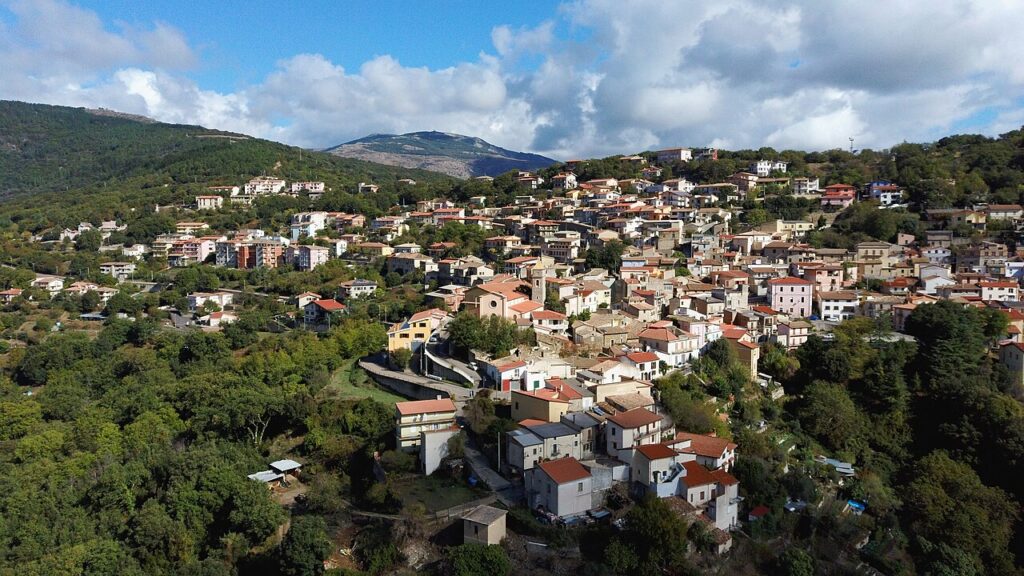
The last weekend of November offers two very different villages. Gadoni, in the Barbagia di Belvì, is linked to the Funtana Raminosa mine, one of the oldest copper mines in Sardinia and now part of the Geomining Park. During the Cortes Apertas the village tells the story of its mining past alongside the produce of its land and woods.
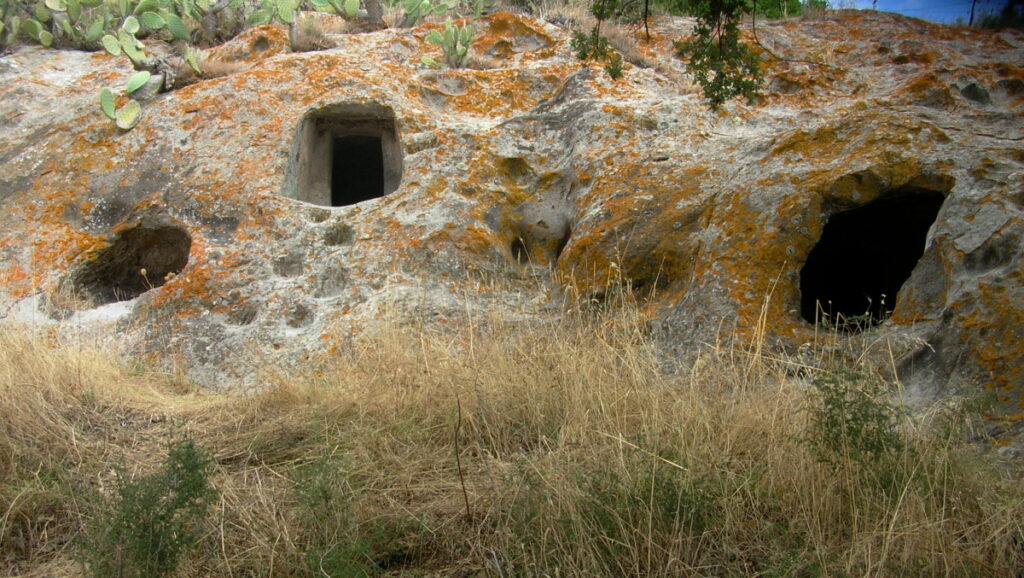
Oniferi, between Nuoro and Orani, is a stop for archaeology lovers. Just outside the village lies the Sas Concas necropolis, a group of domus de janas, tombs carved into the rock, decorated with mysterious upside-down human figures. On Ajò Sardegna you will find archaeological sites and nuraghi to visit with a guide.
December: Fonni, Ortueri, Orune and Seulo
The circuit closes in December. From 6 to 8 December the courtyards open in Fonni, the highest municipality in Sardinia, at around 1,000 metres beneath the Gennargentu. With the Immaculate Conception bank holiday on 8 December it is one of the liveliest stops, and if it is cold the smell of wood fires makes it even better. Don’t miss the basilica of the Madonna dei Martiri and, if it takes place, the parade of Fonni’s masks, the Urthos and the Buttudos.
On 12 and 13 December, the final weekend, there are three stops: Ortueri, in the Mandrolisai, among woods and vineyards; Orune, home of the nuragic sacred well of Su Tempiesu, one of the most refined on the island; and Seulo, in the Barbagia di Seulo, known for the remarkable number of centenarians it has had over the years. The same weekend, outside the circuit, Santu Lussurgiu hosts Artes e Sabores, a very similar event.
The September and October villages: save them for 2027
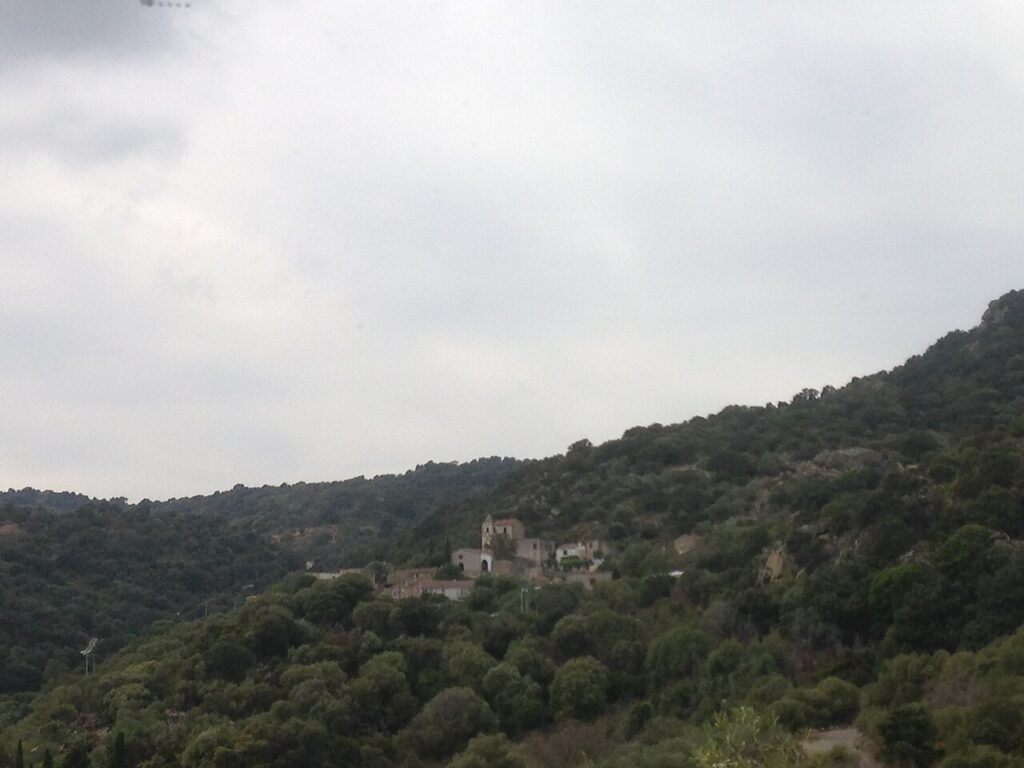
If you are reading this guide at the end of the season, here is what awaits you in the September and October villages. The 2027 dates have not been announced yet, but the order of the villages usually stays similar from one year to the next.
- Bitti and Oliena: canto a tenore, the polyphonic singing listed by UNESCO, and Nepente, the Cannonau praised by Gabriele D’Annunzio.
- Gavoi: Fiore Sardo PDO, the shepherds’ smoked sheep’s cheese.
- Tonara: nougat, made by hand with honey, egg white and nuts.
- Aritzo and Belvì: chestnuts, hazelnuts and ancient woods.
- Orgosolo: the murals of the old town.
- Ottana: the Boes and Merdules masks.
- Lollove: a minuscule hamlet of stone houses, linked to the legend of a curse.
Orani, with its museum dedicated to the sculptor Costantino Nivola, and Sarule, the village of hand-woven rugs, are also worth a visit at any time of year, not just during the Cortes Apertas.
What you find in the courtyards: food, crafts and music
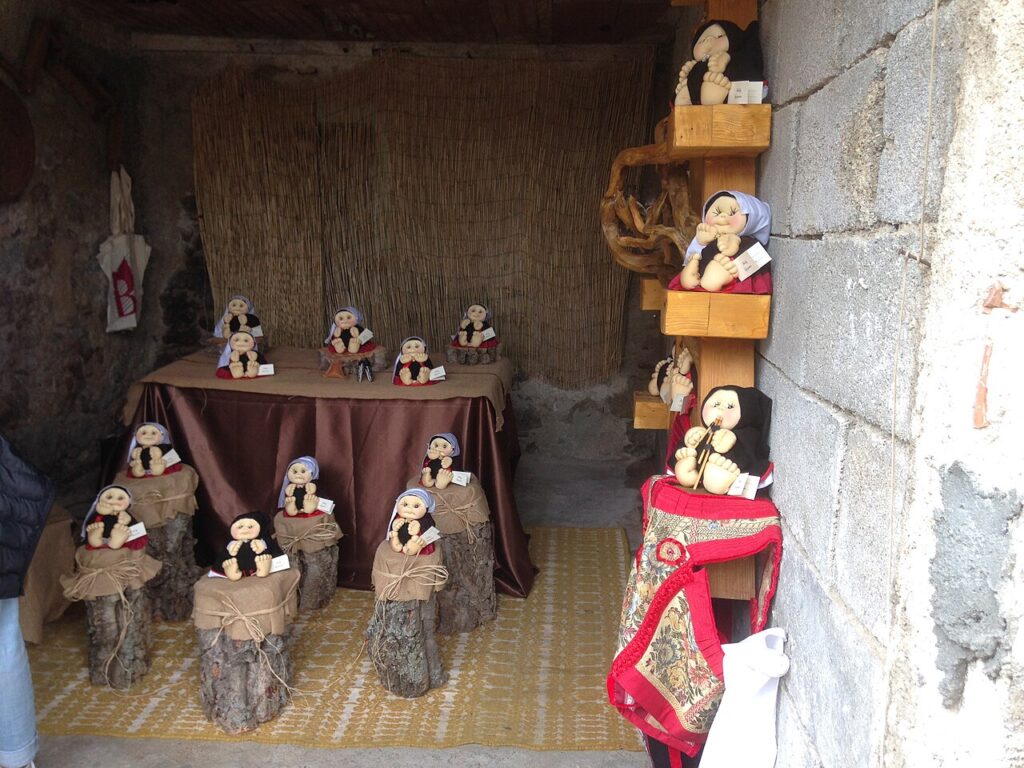
Every village has its own programme, but a few things are almost always there. In the courtyards people knead dough and bake bread in wood-fired ovens, make sweets with almonds and honey, and offer cheeses and cured meats from local producers. Many villages hold demonstrations of weaving, wood carving, ironwork and cork crafts, and small museums open especially for the occasion.
Music goes on all day: tenore choirs, folk groups in costume, accordion players and launeddas, the ancient Sardinian reed pipes. In the evening there is often dancing in the square. It is one of the loveliest moments of Autumn in Barbagia, because visitors and villagers mix together without distinction.
- Crafts: if you like getting your hands dirty, look for the craft workshops held throughout the year.
- Traditions: all of Sardinia’s traditional festivals are collected in the Culture and traditions section.
- Shepherds: outside the Cortes Apertas you can enjoy a lunch with shepherds at a sheepfold in Barbagia.
What to eat during Autumn in Barbagia
The Cortes Apertas are first and foremost a food festival. Bread is everywhere: thin, crunchy pane carasau, born as the shepherds’ bread of Barbagia, and pane frattau, layered with tomato, egg and cheese. Among the cheeses you will always find Fiore Sardo and Pecorino Sardo PDO, often sold directly by the producers.
At the food stands look out for roast porceddu (suckling pig), boiled mutton with potatoes and onions, culurgiones filled with potato and cheese and, to finish, seadas with honey. To drink, Cannonau and Mandrolisai, or a small glass of filu ‘e ferru, the local firewater, to end the evening.
A Cortes Apertas weekend itinerary
Here is how to organise a Cortes Apertas weekend in November, taking the weekend of 14 and 15 November as an example.
- Friday evening: arrive in Nuoro and have dinner in the centre with culurgiones and Cannonau.
- Saturday: morning in Ollolai for the courtyards and asphodel weaving, lunch at the food stands, afternoon in Tiana.
- Sunday: Cortes Apertas in Nuoro’s old town, a visit to Grazia Deledda’s house and a drive up Monte Ortobene for the sunset.
With an extra day you can add Mamoiada and its museum, or a hike in the Supramonte of Oliena or Dorgali with a guide: you will find guided hikes on the portal. For more seasonal ideas, from new wine to the saffron harvest, browse the food and wine experiences.
Practical tips for the Cortes Apertas
- Arrive early: the courtyards usually open in the morning and the best-known villages fill up around midday. Saturday is generally quieter than Sunday.
- Parking: leave the car in the signposted areas outside the centre; some villages run shuttle buses into town.
- Comfortable shoes: the old towns are hilly and paved with stone.
- Layers: in the mountains in November the evenings are cold and it can rain.
- Cash: handy for tastings and handmade products.
Remember that the villages of Barbagia are linked by mountain roads: allow more time than your sat nav suggests, especially in fog. If you want to drink wine in the courtyards, choose a designated driver or sleep in the village.
The Cortes Apertas with children
Children love the Cortes Apertas: they can knead bread, see animals up close, listen to music and meet the traditional masks. Choose the smaller villages, where there are fewer crowds, and bring a sturdy pushchair or a baby carrier, because the streets are steep. For more ideas, take a look at activities for kids and educational farms in Sardinia.
Where to stay during Autumn in Barbagia
On the busiest weekends, beds in the villages are snapped up quickly, so book ahead. The handiest bases are Nuoro, from where you can reach almost every village in less than an hour, and Oliena, at the foot of the Supramonte. For the Mandrolisai stops, such as Atzara and Ortueri, look towards Sorgono, while for Gadoni and Seulo it is best to stay in the Barbagia di Belvì or nearby villages. Farm stays (agriturismi) are the best choice: you eat dinner made with the farm’s own produce and enjoy the same hospitality as in the courtyards.
Frequently asked questions about the Cortes Apertas
When are the Cortes Apertas in 2026?
The 2026 Autumn in Barbagia circuit runs from 5 September to 13 December, with one or more villages every weekend. November belongs to Mamoiada, Ovodda, Nuoro, Tiana, Ollolai, Atzara, Gadoni and Oniferi; December to Fonni, Ortueri, Orune and Seulo.
Are the Cortes Apertas free?
Yes, entry to the villages and courtyards is usually free. You pay for tastings, meals at the food stands and anything you decide to buy. Some villages sell a tasting card at a fixed price.
Which is the best village of Autumn in Barbagia?
It depends on what you are looking for. Mamoiada and Nuoro have the most events, Ollolai and Tiana are smaller and more intimate, Atzara is perfect for wine lovers and Oniferi for archaeology fans.
How do you get around the Cortes Apertas villages?
A car is by far the easiest option. The villages are linked by mountain roads and there is little public transport at weekends. The larger villages have parking areas outside the centre and shuttle buses.
Plan your weekend in Barbagia
The Cortes Apertas are the best time to get to know Barbagia up close: pick your village, note the date and travel without rushing. On Ajò Sardegna you will find experiences in culture and traditions, local operators to contact directly and pages for the villages of Barbagia and the Nuoro area. If you have questions about dates or routes, write to Lia, the portal’s virtual assistant: she will help you choose the right stop for you. Enjoy the courtyards, and ajò!