Things to do in Atzara
Things to do in Atzara, Sardinia: Sant'Antioco church, Ortiz Echagüe art museum, Mandrolisai wine, woven rugs and the May wine festival.
We are gathering the first experiences for this area. Check back soon, or tell us about an operator you know.
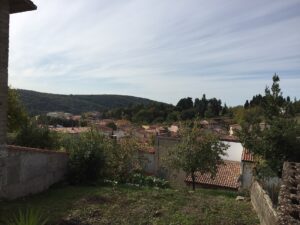
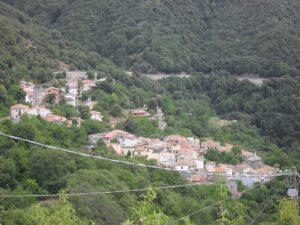
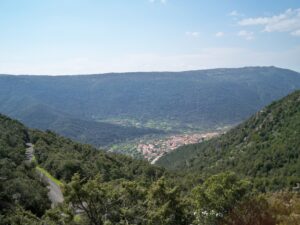
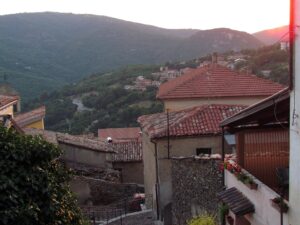
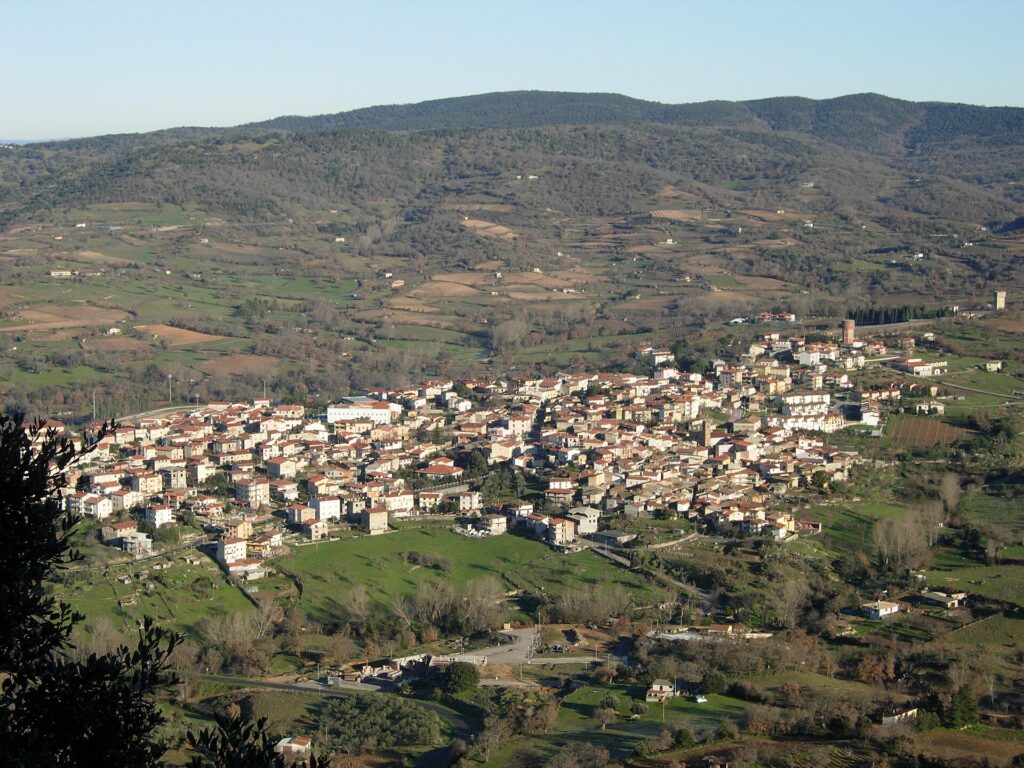
Atzara is a village in the Mandrolisai, at about 543 metres on the western side of the Gennargentu, among vineyard-covered hills. Its centre keeps its Catalan-era layout and it's listed among the Borghi più belli d'Italia, the most beautiful villages in Italy. Two things make it special: Mandrolisai wine and painting, because in the early 1900s Spanish and Sardinian artists came to stay here. It's perfect if you love art, wine and strolling between stone houses.
What to see in Atzara
Church of Sant'Antioco Martire
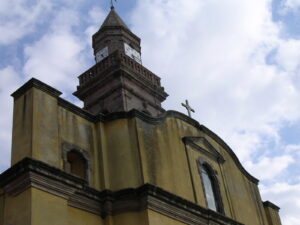
The late-15th-century parish church is Gothic-Catalan in style, with an older Romanesque bell tower. Inside are Baroque wooden altars, a late-16th-century Madonna and Child and 16th-century silverware.
Antonio Ortiz Echagüe Museum of Modern and Contemporary Art
Opened in 2000 in a 19th-century building, it tells the story of the Spanish painters who worked in Atzara, such as Antonio Ortiz Echagüe and Eduardo Chicharro, alongside Sardinian artists like Giuseppe Biasi, Filippo Figari, Mario Delitala, Antonio Ballero and the sculptor Francesco Ciusa. Ortiz Echagüe's best-known painting is Women of Sardinia.
Other churches and the palazzo de Su Conte
The church of San Giorgio already stood before 1205; out in the countryside are Santa Maria 'e Josso and Santa Maria 'e Susu. In the village you'll find the Aragonese-era manor known as de Su Conte.
Archaeology
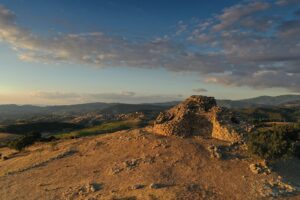
The Abbagadda nuraghe is the best preserved in the area; nearby are domus de janas and giants' tombs.
Things to do in Atzara
Atzara is best enjoyed slowly: a walk through the old centre, the museum, then a winery visit to taste Mandrolisai. The hills and woods around, home to fallow deer and mouflon, are lovely on foot. For tastings, guided tours and hikes, explore what local operators offer below.
History
The area has been inhabited since the Neolithic. The village grew up around the year 1000 near the Bingia 'e Josso spring. It belonged to the Judicate of Arborea and passed to the Aragonese after 1420. In 1711 it joined the county of San Martino, and in 1839, with the end of feudalism, it was bought back from the Valentino family.
What to eat and buy
Wine is the star: Mandrolisai is a red blended from cannonau, monica and bovale sardo, unusual for the Barbagia. Sweets include almond-based is bucconettes and su gattou, and sa tumballa 'e latte. The typical craft is rugs woven a pibiones, with raised geometric patterns, sometimes in wool dyed with natural colours.
Festivals and traditions
- Wine festival and Sant'Isidoro, second Sunday of May.
- Santa Maria 'e Josso, 22 August, a country feast.
- Santa Maria 'e Susu, 8 September.
- Sant'Antioco, the patron saint, mid-November.
- Dal vino alla pittura (From wine to painting), in autumn, part of Autunno in Barbagia.
The women's costume is recognisable by its headdress, sa tiaggiola.
Nearby
- Sorgono, with San Mauro and the Biru 'e Concas menhirs.
- Meana Sardo and the Nolza nuraghe.
- Ortueri and the Mui Muscas donkey park.
- Teti and the Nuragic village of S'Urbale.
Getting there and when to go
It's about two hours by car from Cagliari-Elmas airport and about an hour from Oristano. May is ideal for the wine festival, autumn for the grape harvest and open cellars.
FAQ
How long do I need for Atzara?
Half a day for the centre and museum; a full day with a winery and the nuraghe.
What wine is made in Atzara?
Mandrolisai, a red from cannonau, monica and bovale sardo grapes.
Is Atzara good for families?
Yes: the village is quiet, the museum is small and village festivals are for everyone.