Things to do in Assemini
Things to do in Assemini, Sardinia's ceramics town: early-medieval San Giovanni church, museums, panada pies, the lagoon and Gutturu Mannu.
We are gathering the first experiences for this area. Check back soon, or tell us about an operator you know.
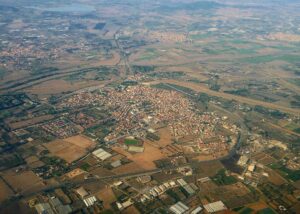
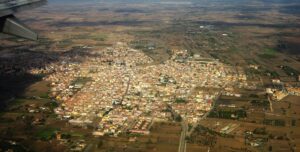
Assemini is one of the main towns around Cagliari, with about 25,000 people, on the plain where the Flumini Mannu and Cixerri rivers meet the Santa Gilla lagoon. It's known as the ceramics town, with a pottery tradition that goes back to prehistory, and it has one of Sardinia's oldest churches. Its territory also includes the detached district of San Leone, amid the Gutturu Mannu forests. It suits lovers of crafts, quirky museums and nature from lagoon to mountain.
What to see in Assemini
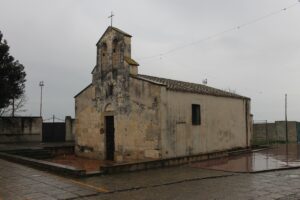
Church of San Giovanni Battista
In the old town stands this small early-medieval building of Byzantine inspiration, with a Greek-cross plan and central dome: it bears two Greek inscriptions and is among the oldest examples of Sardinian church architecture.
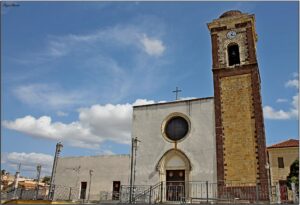
Parish church of San Pietro
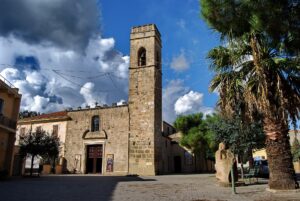
Dedicated to the patron saint, it was rebuilt in the 16th century in Catalan Gothic style, with an 18th-century facade and bell tower. Damaged by fire in 1982, it has been restored.
Ceramics and museums
- Centro pilota per la ceramica, an exhibition and sales space for local pottery.
- Permanent exhibition of art ceramics, with over 250 works from national competitions held in town.
- Sonus de su Mundu museum, with traditional musical instruments from around the world.
- Aquilegia natural history museum, with fossils, plants, minerals and animals.
The old town
Campidano houses built of ladiri (mud bricks), with large arched gateways, courtyards and loggias called lollas, are protected as heritage.
Things to do in Assemini
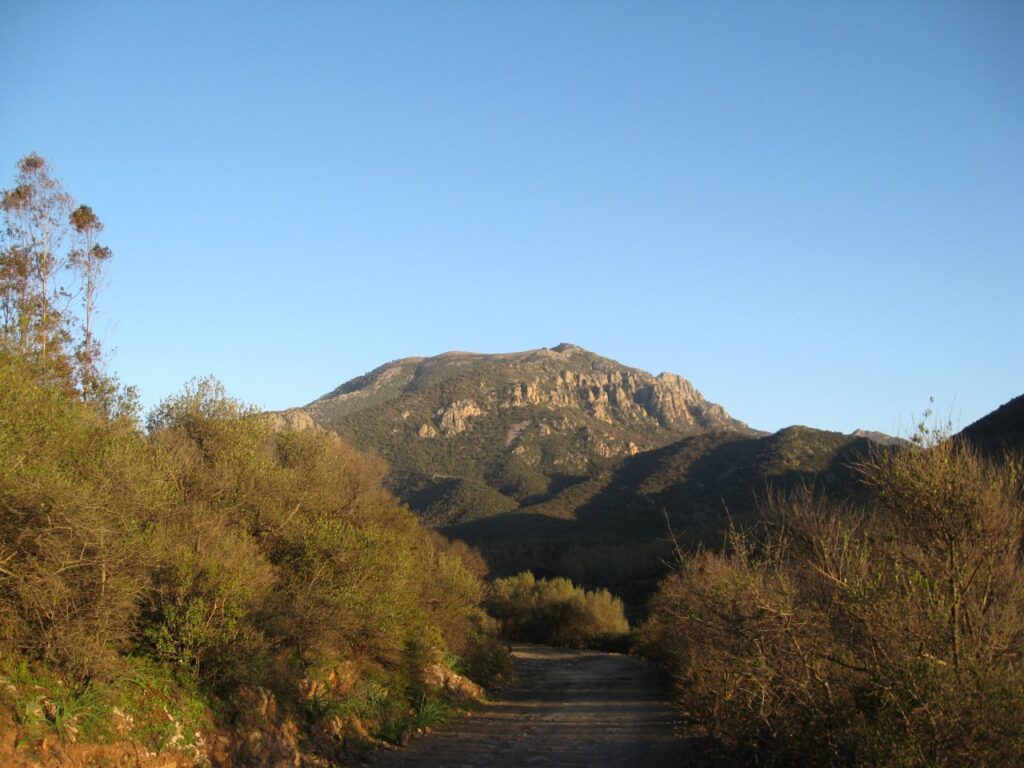
Visit the potters' workshops to watch the wheel at work and buy a one-off piece. Then choose between two worlds: the Santa Gilla lagoon, with around 200 bird species including flamingos, or the Gutturu Mannu and Monte Arcosu forests, among the largest and oldest in the Mediterranean, home to Sardinian deer and wildcats: perfect for hiking, mountain biking and mining heritage at San Leone. Browse the experiences offered by local operators below: workshops, excursions and nature activities to book.
History
The area has prehistoric and Nuragic traces; at Sant'Andrea, pottery has been found ranging from the Ozieri culture to the 5th century BC. In Punic and Roman times a road along the Flumini Mannu probably linked it to the port of Nora. In the Middle Ages Assemini belonged to the Giudicato of Cagliari, then to Pisa and Aragon; in 1355 it took part in the first Aragonese parliament. A fief of the Carroz and later the Centelles, it bought its freedom in 1839. The name most likely comes from Arx Muni, «fortified village».
Food and shopping
The signature dish is panada: a closed pastry pie filled with lamb or kid and potatoes, or with eel, a reminder of old lagoon fishing. Also try the traditional breads coccoi and civraxiu. To take home: a handmade Assemini ceramic.
Festivals and traditions
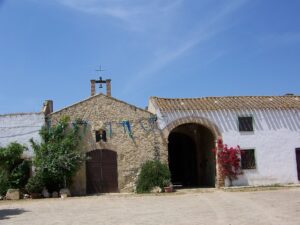
The town celebrates its patron San Pietro; at the country church of Sant'Andrea a fishermen's feast with a fish tasting has been revived. Assemini also hosts a crafts fair focused mainly on ceramics.
Nearby
- Saline Conti Vecchi, on the lagoon towards Macchiareddu.
- Uta and the Monte Arcosu WWF reserve.
- Elmas, with the Romanesque church of Santa Caterina.
- Decimomannu and its Roman bridge.
- Cagliari, about 15 minutes away.
Getting there and when to go
Cagliari-Elmas airport is about 10 minutes by car, Cagliari port about 20. Assemini lies on the SS 130 and has three railway stations linked to Cagliari. Spring and autumn are ideal for forests and birdwatching; summer is great for combining culture and beach.
FAQ
What is Assemini famous for?
Its ceramics tradition, panada pies and the early-medieval church of San Giovanni.
Is Assemini good for families?
Yes: museums, pottery workshops and nature trips appeal to children.
How long do I need for Assemini?
Half a day for the centre and museums; a full day with Gutturu Mannu or the lagoon.