Things to do in Quartu Sant'Elena
Things to do in Quartu Sant'Elena, Sardinia: Poetto beach, Mari Pintau coves, Molentargius flamingos, Sette Fratelli hikes, sweets and festivals.
We are gathering the first experiences for this area. Check back soon, or tell us about an operator you know.
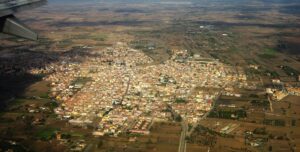
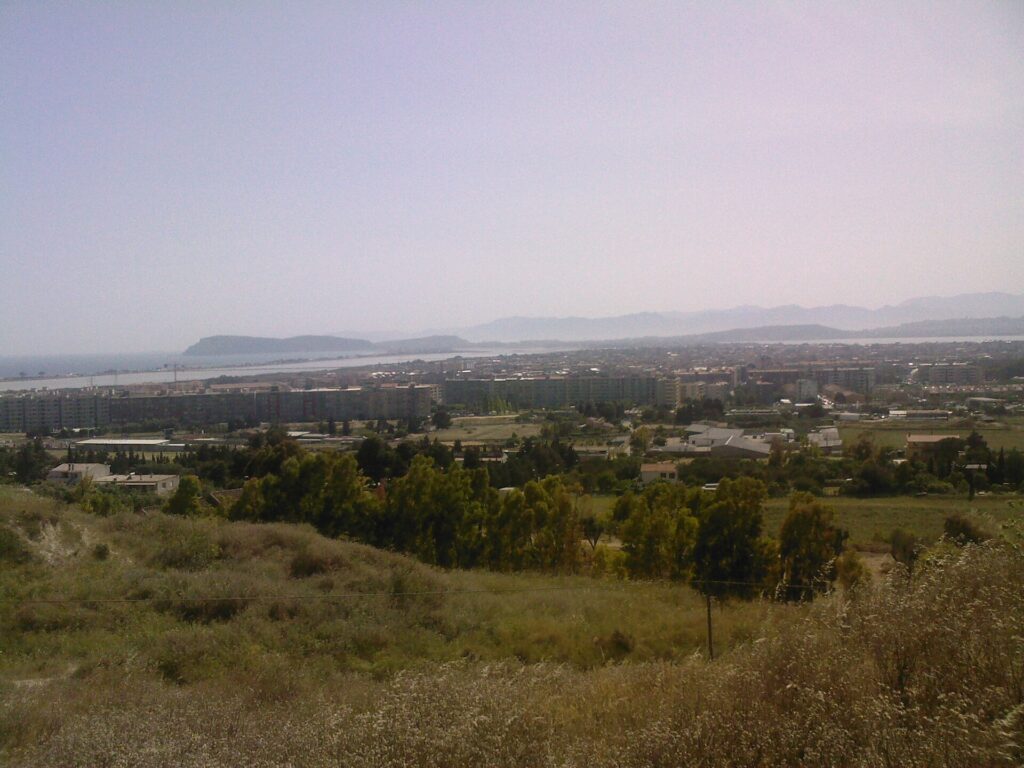
Quartu Sant'Elena is Sardinia's third-largest town, right next to Cagliari, with about 26 km of coastline stretching from the Poetto to rocky coves towards Villasimius. Behind it lie the Molentargius lagoon, where pink flamingos nest, and the Sette Fratelli mountains, whose woods are home to the Sardinian red deer. It combines the convenience of a town close to the airport with beaches for every taste, an old centre of Campidanese houses and living traditions. It's ideal for families, water-sports fans and anyone wanting a handy base to explore the south of the island.
What to see in Quartu Sant'Elena
The old centre and Campidanese houses
Quartu's historic heart is a cluster of quiet streets and Campidanese houses, built of sun-dried mud bricks (làdiri) around large courtyards, with arched gateways opening onto the street. One of them houses the Sa Dom'e Farra museum ("the house of flour"), devoted to rural life of the past: check opening before you go.
Sant'Elena basilica and Sant'Agata church
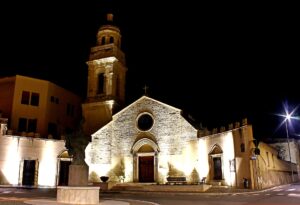
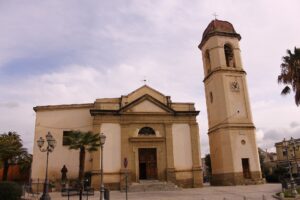
The Basilica of Sant'Elena Imperatrice, dedicated to the town's patron saint, was built between 1809 and 1825; it has three naves and became a minor basilica in 2007. In Piazza Azuni stands the church of Sant'Agata, linked to the old Capuchin convent and mentioned as early as the late thirteenth century, with a Gothic cross outside the entrance.
Molentargius park
About two-thirds of the Molentargius lagoon and its former salt pans lie within Quartu. A regional nature park since 1999, it is one of Europe's most important wetlands, with around 230 bird species including nesting pink flamingos, avocets and black-winged stilts. Explore it on foot or by bike along the embankments and marked paths.
Nuraghe Diana and the coastal batteries
The area has dozens of nuraghi; the best known is Nuraghe Diana, on a rise near the sea, currently not open inside. On the Is Mortorius coast, 1930s military batteries make fine viewpoints over the gulf.
Things to do in Quartu Sant'Elena
Quartu's sea is made for sport: windsurfing, kitesurfing and SUP at the Poetto and along the coast, plus sailing trips and boat outings to the south-east coves from the Marina di Capitana. The cliffs between Is Mortorius and Mari Pintau are ideal for snorkelling. Molentargius is a paradise for birdwatching and cycling among flamingos and salt pans. Inland, the Sette Fratelli Park offers hiking and mountain biking among holm oaks and cork oaks. Below you'll find experiences offered by local operators: choose between sea, nature and sport and book yours.
Beaches of Quartu Sant'Elena
- Poetto (Quartu section): the long pale-sand beach shared with Cagliari, running to Margine Rosso; shallow water, facilities and kiosks, ideal for families and sailing sports.
- Flumini and Sant'Andrea: wide beaches popular with families, a few minutes from town.
- Cala Regina and Is Mortorius: small coves among the rocks with clear water.
- Mari Pintau: the "painted sea", a cove of white pebbles and turquoise water.
- Kal'e Moru and Geremeas: quieter coves and beaches towards Villasimius; Geremeas is wider and sandier.
History
The area has been inhabited since prehistory and has Nuragic, Phoenician and Punic traces. The name comes from the "fourth mile" of the Roman road from Cagliari; in Roman times slaves worked the salt pans. In the Middle Ages, under the Giudicato (medieval kingdom) of Cagliari, several villages grew up and in the fourteenth century merged into the settlement of Quarto. Pisan, Aragonese, Spanish and Savoy rule followed; in 1793 the area repelled an attempted French landing. A city since 1959, Quartu grew rapidly in the late twentieth century to become the island's third-largest municipality.
Food and what to buy
Quartu has a strong pastry tradition: pabassinas with raisins and walnuts, almond-paste candelaus, amarettus, pistoccus biscuits, pan'e saba made with cooked grape must and gattò, a caramelised almond brittle typical of the San Giovanni festival. Pair them with local Malvasia dessert wine. At the table, expect fish and seafood from the gulf, Campidano bread and vegetables from the market gardens.
Festivals and traditions
- San Giovanni Battista: the last weekend of July, one of the town's oldest festivals.
- Sciampitta: in July, an international folk festival with groups from around the world.
- Santa Maria di Cepola: 8 September.
- Sant'Elena Imperatrice: mid-September, the patron saint's festival, with a costumed procession, grape fair, shows and fireworks.
Nearby
- Cagliari (about 15 minutes): the Castello quarter, museums and the Sella del Diavolo headland.
- Villasimius (about 45 minutes): the Capo Carbonara marine area and Caribbean-style beaches.
- Maracalagonis and Sinnai: farming villages at the foot of the Sette Fratelli.
- Sette Fratelli forest (about 40 minutes): woods, trails and Sardinian deer.
Getting there and when to go
Quartu borders Cagliari: Cagliari-Elmas airport is about 20–25 minutes by car and Cagliari port about 15. The coast road links the town to beaches all the way to Villasimius, and the Poetto is also served by city buses. The sea is at its best from May to October; spring and autumn are perfect for birdwatching at Molentargius and for hiking. The Sant'Elena festival falls in mid-September.
Frequently asked questions
Is Quartu Sant'Elena good for families?
Yes: the Poetto and Flumini have shallow water and facilities, and Molentargius park makes an easy, fun outing for kids.
Where can I see flamingos in Quartu?
In Molentargius park, where they are present all year; the salt-pan embankments give great views.
How many days do I need for Quartu Sant'Elena?
At least 3–4 days to mix beaches, Molentargius and a trip to the Sette Fratelli, with Cagliari right next door.