Things to do in Domus de Maria
Things to do in Domus de Maria: Chia and Su Giudeu beaches, dunes, flamingos, ancient Bithia, kitesurfing, festivals and travel tips.
We are gathering the first experiences for this area. Check back soon, or tell us about an operator you know.
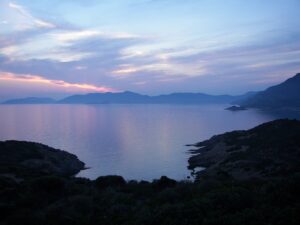
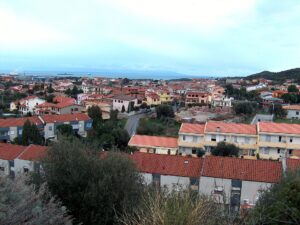
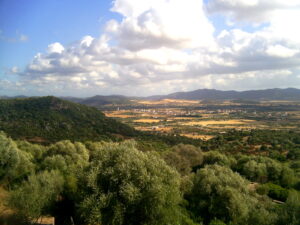
Domus de Maria is a small village in the far south of Sardinia, about an hour's drive from Cagliari, nestled among hills covered in scrub and holm oaks. Its name is linked above all to Chia, the seaside hamlet famous for dunes up to twenty metres high, centuries-old junipers, lagoons with flamingos and a string of pale sandy beaches with crystal-clear water that often feature among Italy's finest. Here the sea meets an important archaeological heritage, with the remains of the ancient Phoenician city of Bithia. It's ideal for families, nature lovers, photographers, wind-sports fans and anyone looking for postcard-perfect sea with plenty of wild space.
What to see in Domus de Maria
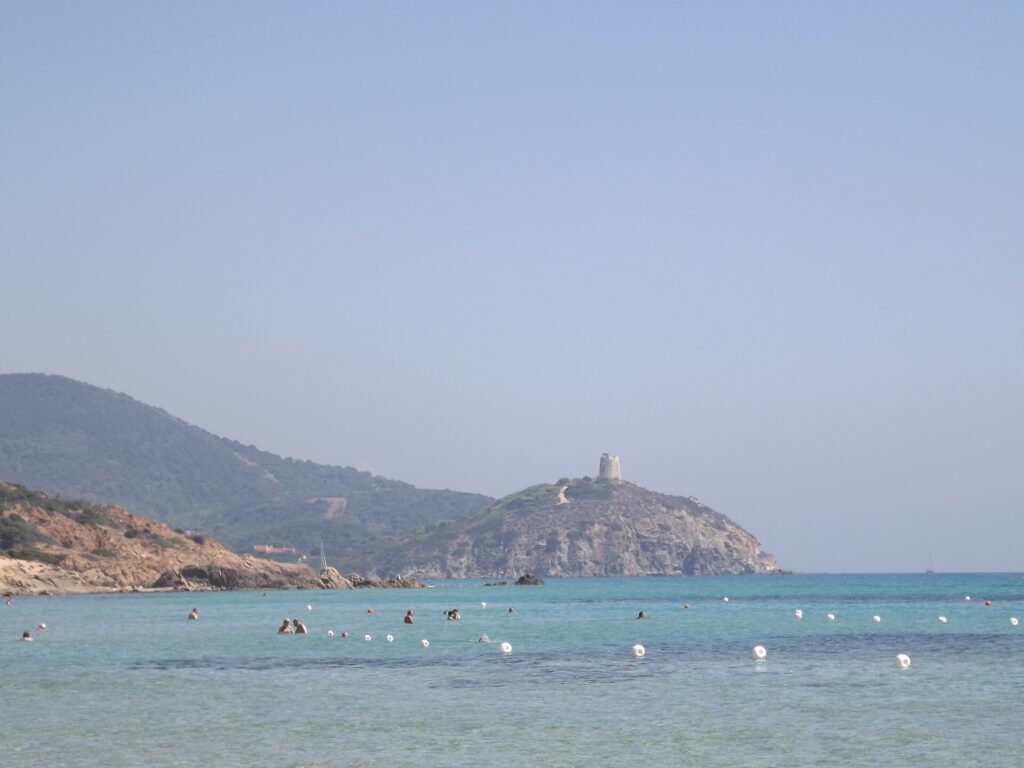
Chia bay and its tower
On the headland above the bay stands the Torre di Chia, one of the Spanish coastal watchtowers built to guard the mouth of the Rio di Chia against Barbary pirate raids. A short walk up rewards you with one of the best views on the coast: beaches and dunes on one side, lagoons and hills on the other.
Ancient Bithia and the temple of Bes
At the foot of the tower and nearby lie the remains of Bithia, a city founded by the Phoenicians between the 8th and 7th centuries BC on land already settled in the Nuragic age (the Bronze Age civilisation that built Sardinia's stone towers), later used by Carthaginians and Romans. Excavations have uncovered mainly the necropolis and the tophet, a sanctuary typical of Phoenician cities, plus a small temple attributed to the god Bes near Sa Colonia beach.
Lagoons and flamingos
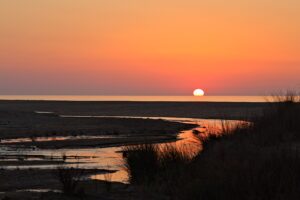
Behind the beaches lie the Chia and Spartivento lagoons, wetlands where you can easily spot pink flamingos, herons and coots. At sunset, with the hills reflected in the water, they're a paradise for birdwatching and photography.
Capo Spartivento and its lighthouse
At the western end of the bay, Capo Spartivento is crowned by a historic lighthouse. The path climbing from Cala Cipolla leads up through rocks and scrub to sweeping views over the Costa del Sud.
The village, nuraghi and churches
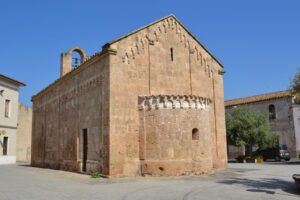
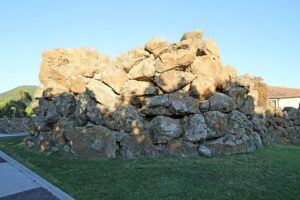
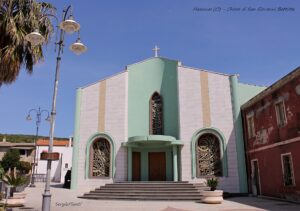
In the village centre you can visit the church of the Madonna del Rosario, the heart of local religious life. Out in the countryside at Chia stands the little church of the Santissima Trinità, destination of the Pentecost feast. The area is scattered with Nuragic remains, including the Castello de Monte Maria nuraghe and many giants' tombs, the communal burials of the Bronze Age.
Things to do in Domus de Maria
In Chia the sea takes centre stage. When the mistral wind blows, the beaches fill with sails: it's one of southern Sardinia's favourite spots for windsurfing and kitesurfing, while on calm days the clear water and sand-and-rock seabed are perfect for snorkelling, diving, SUP and kayaking. Boat trips along the Costa del Sud reveal coves and rocks you can't reach by land.
Away from the beach, you can go hiking and mountain biking on the dirt tracks along the coast and towards Capo Spartivento, ride horses through dunes and hills or head inland to the great holm-oak forest of Is Cannoneris, home to deer and shady trails even in summer. History lovers can pair a guided visit to Bithia with the nuraghi. Scroll down: right below you'll find the experiences offered by local operators in Domus de Maria and Chia, ready to book.
Beaches in Domus de Maria
The Chia coastline is a sequence of beaches separated by small headlands, stretching for several kilometres. The main ones:
- Su Giudeu: the most famous, with fine white sand, juniper-covered dunes and a dark islet about a hundred metres offshore that you can wade to at low water. Shallow and ideal for children.
- S'Acqua Durci: west of Su Giudeu, separated by a small reef, smaller and quieter.
- Cala Cipolla: a sheltered cove among granite rocks and junipers at the western end of the bay, reachable only on foot or by bike. Great for snorkelling.
- Sa Tuerra, Porto Campana and Monte Cogoni: long beaches backed by big dunes, often windy and so popular with surfers and kiters.
- Sa Colonia and Su Portu: near the tower and the Bithia excavations, with crystal water and easy access.
A few minutes west of Capo Spartivento, already in the municipality of Teulada, lies Tuerredda, one of Sardinia's most photographed beaches: a bay of pale sand with an islet you can swim to, easily combined with a day in Chia.
History
The area was already inhabited in the Nuragic age, as the nuraghi and giants' tombs inland show. On the coast the Phoenicians founded Bithia, which later passed to the Carthaginians and Romans and was linked to Nora by a coastal road. With the end of antiquity and raids from the sea, the coast was abandoned for a long time. Under Spanish rule the area belonged to the barony of Pula, part of the marquisate of Quirra, and was protected by the chain of coastal towers. The present village was founded in the 18th century when, with the arrival of the Piarist fathers, families from nearby areas settled here in search of land and safety. The fief was bought out in 1839 with the end of feudalism. Some small mines operated in the 20th century and are now closed; since the second half of the century, tourism in Chia has become the town's main resource.
What to eat and buy
Domus de Maria's food is the simple, flavourful cooking of southern Sardinia's countryside: goat, kid and wild boar, sheep's and goat's cheeses, homemade bread and the village's own focaccia, celebrated with a summer festival. Chia's figs are so prized they have a festival of their own. On the coast you'll find fresh fish, fregola (toasted semolina pearls) with seafood and bottarga. To take home: Mediterranean scrub honey, local cheeses, southern Sardinian wines such as Carignano del Sulcis and Vermentino, and traditional crafts, from woven baskets to textiles.
Festivals and traditions
The most heartfelt feast is that of the Holy Spirit at Pentecost (between May and June): the statue of the Holy Trinity is carried in procession to the little church at Chia, escorted by traccas (decorated ox carts) and riders in traditional costume. It's preceded by the cantada, a contest of improvised poetry in Campidanese Sardinian. In October the village honours its patron, the Madonna del Rosario, with the ditta, a traditional public auction called in Sardinian. In summer there are several food festivals celebrating local produce, from figs and focaccia to goat and wild boar.
Nearby
- Pula and Nora: the Phoenician-Roman city by the sea and the beaches of Santa Margherita, about 20 minutes' drive.
- Costa del Sud and Teulada: the scenic road towards Capo Malfatano, with coves, towers and Tuerredda.
- Is Cannoneris forest: holm oaks, springs and trails in the mountainous hinterland.
Getting there and when to go
The nearest airport is Cagliari-Elmas, about an hour by car, and ferries from mainland Italy also arrive in Cagliari. Follow the SS195 Sulcitana road to Pula and then towards Chia and Teulada; past Chia the scenic Costa del Sud road begins. There are summer buses, but a car is the easiest way to hop between beaches. The best time is May to October: June and September combine warm sea, gorgeous colours and fewer crowds, July and August are the liveliest, and spring and autumn are perfect for hiking, birdwatching and kitesurfing.
Frequently asked questions
How many days do you need for Domus de Maria and Chia?
Two or three days are enough to try several beaches, climb to the tower and see Bithia; with a week you can add the Costa del Sud, Nora, excursions and water sports.
Is Chia good for families?
Yes: beaches like Su Giudeu have shallow, sandy water, and kids love the flamingo lagoons. On mistral days, choose the more sheltered coves.
Is Tuerredda part of Domus de Maria?
No, Tuerredda belongs to neighbouring Teulada, but it's just a few minutes' drive from Chia along the Costa del Sud.