Things to do in Sestu
Things to do in Sestu, Sardinia: the Roman milestone in San Giorgio, San Gemiliano church and park, a flamingo pond and country festivals.
We are gathering the first experiences for this area. Check back soon, or tell us about an operator you know.
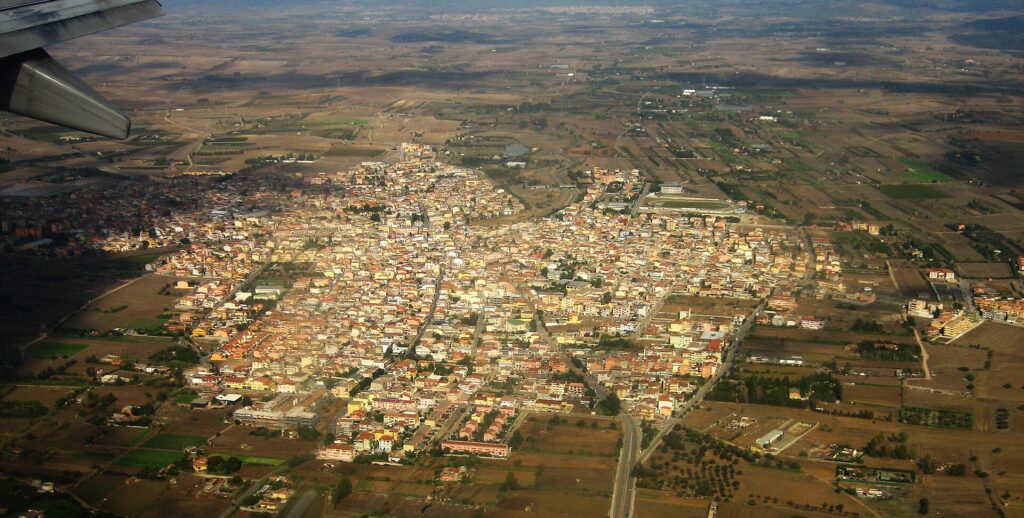
Sestu is a town of about 20,000 people north of Cagliari, which grew up along the old Roman road to Porto Torres: its name comes from the milestone marking the sixth mile. Beyond its modern districts it keeps medieval churches, a lovely country park and a pond where flamingos stop over. It suits travellers looking for a handy base near the airport who want to discover Campidano traditions, from country feasts to singing in Sardinian.
What to see in Sestu
Parish church of San Giorgio
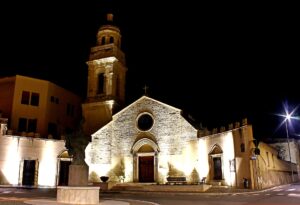
Completed in 1567 in late Gothic style, it holds the Roman milestone that gave the town its name, sacred furnishings and an old organ.
Church of San Salvatore
In the old centre, this 12th-13th-century church of limestone and sandstone is one of the town's oldest medieval buildings.
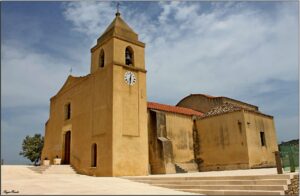
San Gemiliano
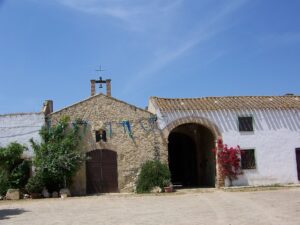
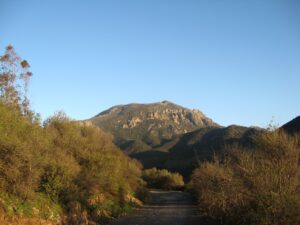
About 5 km from town, in the park of the same name, stands the old church of San Gemiliano, intriguing for its two side-by-side naves, each with its own entrance and apse. The park is a favourite for picnics and walks.
Casa Ofelia and the Sextum collection
Casa Ofelia is a traditional Campidano house showing how people once lived. The Sextum association's collection of coins and objects tells around four thousand years of local history.
Things to do in Sestu
Birdwatchers shouldn't miss Su Staini Saliu, a small, slightly brackish natural pond where ducks, avocets and flamingos stop in spring and autumn. San Gemiliano park invites walks and days outdoors, while the central location gets you quickly to Cagliari, Poetto beach and the Parteolla hills. Discover the experiences offered by local operators below: excursions, bike tours and family activities.
History
The first settlements date from the 3rd millennium BC; on Corso Italia a Punic-Roman necropolis has yielded Carthaginian pottery from the 3rd century BC. In Roman times the village rose along the Cagliari-Porto Torres road, by the milestone inscribed Ad sextum lapidem. In the Middle Ages it belonged to the Giudicato of Cagliari, then to Pisa; from 1324 it was an Aragonese fief of the Carroz, later the Centelles and Osorio, until it bought its freedom in 1839. In 1946 a flood of the Rio Matzeu struck Sestu along with Elmas.
Food and shopping
Farming, with vegetables, cereals and vines, shapes both economy and cooking: Campidano home dishes, bread and traditional sweets. Local crafts include woodwork, wrought iron, copper and woven baskets.
Festivals and traditions
- San Giorgio, the patron, on 23 April.
- Sant'Isidoro, a farmers' feast, in May.
- San Gemiliano sagra in late May, and the saint's feast in early September, in the country park.
- Festival of Sardinian song, in mid-June.
Sestu also has its own traditional costume, worn in the feast-day parades.
Nearby
- Cagliari, about 15 minutes away.
- Elmas, with Santa Caterina and the Santa Gilla lagoon.
- Monserrato and the Trenino Verde.
- San Sperate, the mural village.
Getting there and when to go
Cagliari-Elmas airport is about 10 minutes by car, Cagliari port about 15. Sestu lies near the SS 131 and has bus links to Cagliari. Spring and autumn are ideal for birdwatching and country feasts.
FAQ
Why is it called Sestu?
After the Roman milestone of the sixth mile from Cagliari, now in San Giorgio church.
Is Sestu good for families?
Yes: San Gemiliano park and the flamingo pond are a hit with kids.
How long do I need for Sestu?
Half a day covers the churches, park and pond.